T: +86-186-8927-7942
E: kemp@hangjin-machinery.com
No. 107 Changning Road, Tongjing Town, Jiangning District, Nanjing, Jiangsu, China
Views: 0 Author: Site Editor Publish Time: 2026-11-28 Origin: Site
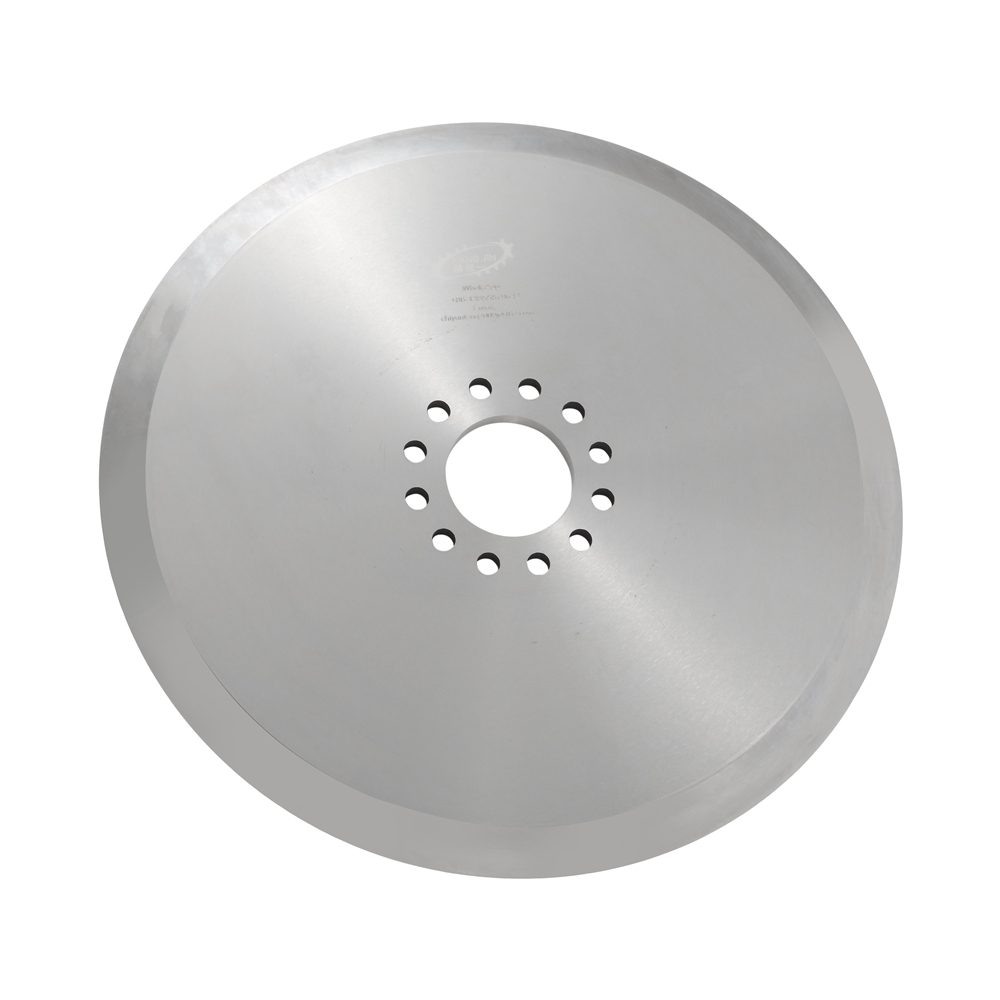
Circular blade runout is the axial or radial deviation of a blade as it rotates, commonly caused by blade warping, arbor or spindle defects, damaged flanges, or improper installation. Excessive runout causes uneven cutting, wider kerfs, vibration, and premature tooth wear. Measuring the blade and arbor with a dial indicator helps identify the source of the deviation, while cleaning, correct mounting, component repair, or blade replacement can restore cutting accuracy. It creates excessive material waste, ruins joint integrity, increases the risk of dangerous kickback, and causes premature degradation of expensive tooling. Resolving this issue requires moving past visual guesswork. You must systematically isolate the variables causing the wobble. You need to differentiate between arbor defects, flange wear, inadequate installation, and inherent flaws in the circular blade itself to implement permanent, cost-effective corrections.
Zero Runout is a Myth: There is always some degree of runout in a circular blade; the engineering objective is managing and reducing this deviation to fall within application-specific acceptable tolerances.
Runout is Cumulative: Total measured deviation is rarely a single failing component; it is the stacked tolerance of the arbor, flanges, and the circular blade itself.
Precision Requires Instrumentation: Visual inspection is insufficient. Accurate diagnosis demands dial indicators and strict adherence to a single-reference-point measurement methodology.
Isolating the Root Cause Dictates the Fix: Correcting runout requires proving whether the deviation lives in the machine's spindle or the consumable tooling before investing in replacements.
Tolerances Vary by Application: Acceptable runout thresholds differ drastically between rough carpentry, fine woodworking, and high-speed metal fabrication.
Table of Contents
Runout describes the physical deviation of a rotating tool from its true axis. We categorize this movement into two distinct types on the shop floor. Axial runout refers to side-to-side wobble. Machinists often call this "flutter" along the cutting axis. It causes the teeth to scrape the sides of the kerf as the plate spins, leaving deep swirl marks on the edge of your material. Radial runout involves up-and-down deviation. This happens when the arbor hole is slightly off-center, the spindle is eccentric, or the blade was bored incorrectly at the factory. Radial deviation affects the depth of cut. It also changes how each individual tooth engages the material, forcing a few teeth to do all the work while the rest barely touch the wood or metal.
Operators frequently confuse runout with machine misalignment. They are mechanically different problems requiring entirely different diagnostic approaches. Misalignment means the blade is not parallel to the miter slot or the rip fence. This setup error creates a crooked cut, pushing the material away from the fence or pinching it against the back of the blade. Runout inherently creates a wider kerf. The blade wobbles back and forth as it spins on its axis. A misaligned saw pushes the stock at an angle, causing burning on one specific side. A saw suffering from runout carves out extra material on both sides of the cut line simultaneously, acting more like a dado stack than a precision ripping tool.
Wobble creates a wider, rougher kerf. You lose valuable material with every pass. For example, a blade with a nominal 0.125-inch kerf can produce a wider and less consistent cut when excessive lateral runout causes the teeth to sweep beyond their intended cutting path. The rough edges require extra sanding, planing, or jointing to achieve a glue-line finish. When you are processing hundreds of board feet of expensive hardwood or running continuous aluminum extrusions, this wastes massive amounts of labor hours and slows down your entire production schedule.
Runout and plate deflection cause the blade to drift off the intended line. This happens frequently during complex miter and bevel cuts. Your saw angles might be perfectly dialed in on the trunnion. However, the blade follows the path of least resistance. As the wobbly plate enters the material, the uneven pressure forces it to wander away from your layout line. This ruins expensive trim, casework, and precision metal joints.
Uneven tooth engagement causes localized overheating. The carbide teeth dull rapidly because they take unequal chip loads. When only half the teeth are doing the cutting, they heat up past their design limits. The blade loses its tension from the excess heat, causing it to warp even further. You end up replacing expensive tooling much faster than necessary, draining your consumables budget.
Safety and compliance suffer greatly when equipment operates out of tolerance. A drifting blade increases the risk of binding. As the material passes the center point of the arbor, the wobbling rear teeth catch the freshly cut edge. This lifts the material off the table and significantly raises the chance of violent kickback. Protecting operators requires eliminating excessive deviation at the source rather than relying solely on riving knives and anti-kickback pawls.
The saw's drive system is the foundation of precision. Bearing wear introduces lateral play into the spindle. Dust ingress, lack of lubrication, and heavy cutting loads degrade ball bearings over time. If you hear a low growl when the saw spins down, your bearings are likely compromised. A bent arbor from a previous impact causes immediate, severe wobble. Dropping heavy offcuts directly onto the blade, or experiencing a massive kickback event, often bends the shaft. Machining defects from the factory can also plague the drive system. If the fixed arbor face is not perfectly true to the shaft, the blade will never spin flat, no matter how high-quality the tooling is.
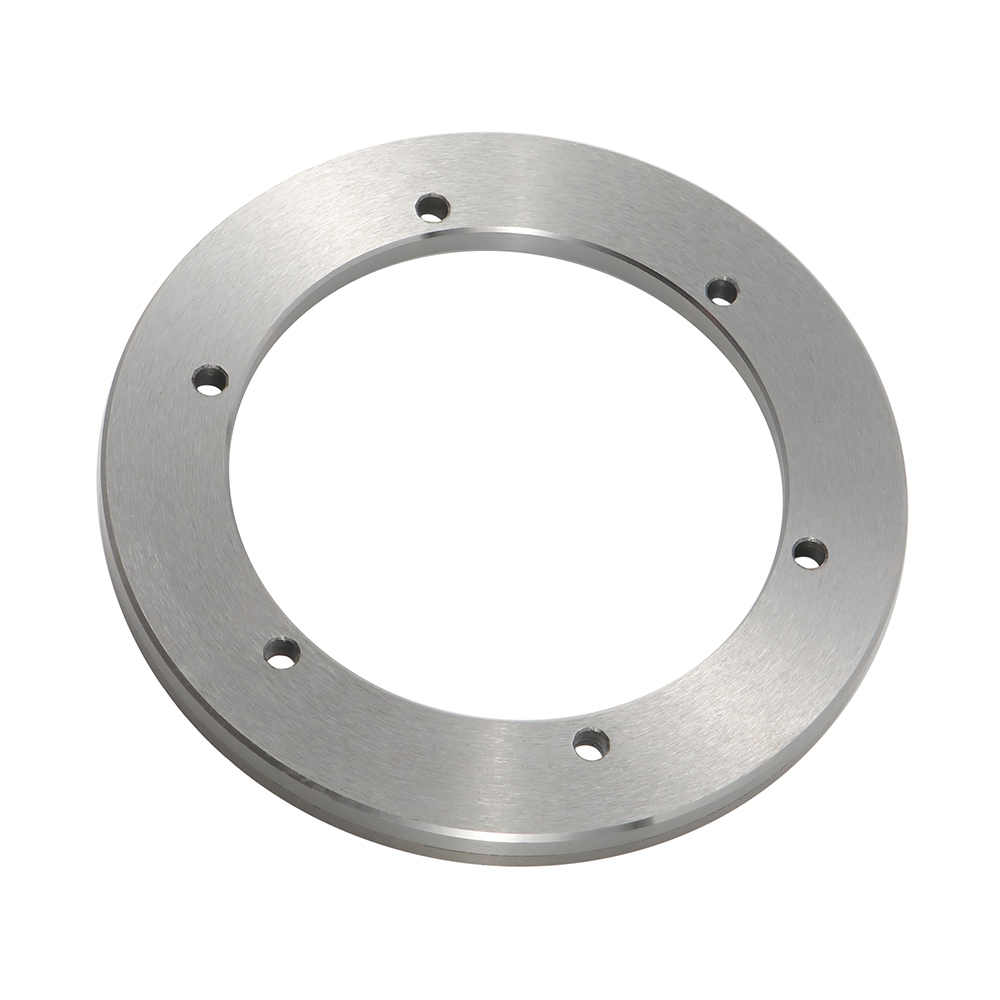
Flanges stabilize the blade body. Debris buildup between the flange and the plate distorts the steel. Even a tiny speck of pitch, a stray wood chip, or a flake of rust acts like a wedge when clamped under pressure. Over-tightening the arbor nut cups the stabilizing collars. Factory stamped flanges warp easily under excessive torque. Once those collars are permanently cupped, they bend the blade body out of alignment every time you install it.
Inadequate installation introduces severe artificial runout. You must properly seat the blade on the arbor shoulder before applying torque. Failing to do so pinches the plate unevenly. The blade binds against the threads instead of resting flat against the machined shoulder. Always spin the blade by hand before tightening the nut to ensure it is seated flush against the inner flange.
Sometimes the consumable tooling is the actual problem. Manufacturing flaws leave uneven tension in the steel plate. Heat cycles during heavy cutting cause tension loss. A blade is stretched in the middle at the factory so it stands rigid at the rim when spinning at operating RPM. Heat destroys this precise tensioning. The plate body warps under thermal stress. A warped plate will flutter regardless of how perfect your arbor and bearings are. Dropping a blade on a concrete floor can also bend the plate or knock a carbide tooth out of alignment, creating localized runout.
Aggressive feed rates push the steel beyond its physical limits. Forcing material through the saw faster than the gullets can clear the chips causes the plate to deflect. Inadequate cooling leads to rapid thermal expansion. Unstable equipment bases amplify harmonic vibrations. A lightweight contractor saw vibrates inherently more than a heavy cast-iron cabinet saw. These factors contribute to temporary distortion during the cut, which often becomes permanent if the steel overheats.
Using an incorrect blade size amplifies vibration. An improper tooth count for the material forces the saw to work harder. Ripping thick hardwood with a high-tooth-count crosscut blade generates massive heat because the small gullets cannot clear the long sawdust fibers. This exacerbates runout. The blade struggles, heats up, loses tension, and drifts off the line. Matching the tooth geometry and plate thickness to the specific material is mandatory for maintaining a true spin.
Visual inspection fails to capture micro-deviations. You cannot see a three-thousandths of an inch wobble with the naked eye, but you will certainly see its effects on your workpiece. You need proper instrumentation to diagnose the mechanical system accurately.
Dial indicator graduated in 0.001 inches or finer.
Heavy-duty magnetic base with articulated arms for rigid mounting.
A clean, stable machine surface (like a cast-iron table) to anchor the base.
Marker, layout fluid, or grease pencil to identify reference points.
Appropriate wrenches for arbor nut removal and installation.
Brass wire brush and citrus solvent for cleaning mating surfaces.
Before starting any measurement or maintenance work, disconnect the saw from its power supply and secure the isolation against accidental startup. For hardwired industrial saws, follow the machine's lockout/tagout procedure before touching the blade or arbor. Clean the arbor, flanges, and blade thoroughly. Solvents remove pitch, rust, and compacted sawdust. Use a brass brush on the arbor threads. This eliminates debris-induced false readings. Mount your magnetic base to the cast iron table. Position the dial indicator plunger perpendicular to the blade plate. Measure just below the gullets, not on the carbide teeth. The teeth have their own braze and grind variations that will throw off your plate measurements.
To measure lateral blade runout, position the dial indicator against a smooth area of the blade plate just below the gullets. Keep the indicator fixed and slowly rotate the blade through one complete revolution by hand. Record the highest and lowest readings; the difference is the total indicated lateral runout. Mark the blade at the highest reading to help locate the source of the deviation during further checks.
Isolate the variables to find the root cause. Measure the runout at your marked tooth and record the high spot on the dial. Loosen the arbor nut. Rotate the blade exactly 90 degrees relative to the arbor shaft. Retighten the nut to normal operating torque and measure again. If the runout high spot follows the blade's marked position after remounting, inspect the blade plate for warping or manufacturing defects. If the deviation follows the arbor or flange position, remove the blade and measure the arbor shaft and mounting flange separately to identify the machine-side source.
Absolute zero runout is mechanically impossible. Every rotating assembly has a tolerance stack. You must manage deviation within acceptable limits for your specific work. Different applications demand different thresholds. Chasing aerospace tolerances on a framing saw wastes time and resources.
Application Type | Acceptable Runout Tolerance | Operational Impact if Exceeded |
|---|---|---|
Precision Cabinetry & Machining | < 0.002 inches | Visible gaps in joinery, tear-out on delicate veneers, ruined glue lines. |
Fine Woodworking & Furniture | < 0.003 inches | Inconsistent kerf width, excessive sanding required, poor tenon fitment. |
General Construction & Framing | < 0.005 inches | Rough cut edges, minor binding on long rips, increased operator fatigue. |
High-Speed Metal Fabrication | < 0.001 inches | Rapid carbide chipping, catastrophic tool failure, rejected parts. |
Start with the cheapest solutions first. Stone your flanges to remove raised burrs. Remove the removable flange and inspect its mounting face for raised burrs, rust, and surface damage. Carefully remove isolated burrs without altering the machined contact surface. Check the flange for flatness and visible distortion before reinstalling it. If the mounting face is warped or uneven, replace the flange or have it professionally resurfaced. Thoroughly clean all mating surfaces with appropriate solvents. Pitch and rust create microscopic wedges. Removing them often cures minor wobble instantly.
Never attempt DIY arbor straightening. Striking the arbor with a hammer destroys the bearings immediately. It also fractures the cast iron spindle housing. If the arbor is bent, it must be replaced. Replace arbor bearings if you detect any lateral play or hear grinding noises. You will need a shop press to remove and install new bearings properly without damaging the races.
Machine the arbor flange true if it shows runout. A qualified machinist can grind the fixed arbor flange perfectly flat while it spins in its own bearings. This guarantees the mounting face is perfectly perpendicular to the axis of rotation. Upgrade to precision-machined aftermarket collars. Factory stamped flanges distort easily under load. Machined collars offer superior stability. They distribute clamping force evenly across the plate. This prevents the arbor nut from cupping the steel and provides a massive upgrade in cut quality for a minimal investment.
Professional saw shops can save damaged tooling. They re-tension the steel plate using specialized hammers and anvils. They read the tension with a straightedge and hammer a warped plate back to true. This restores the factory cutting dynamics. Do not attempt to hammer a blade flat yourself; tensioning is a highly specialized skill.
Use blade stiffeners as a localized mitigation tactic. Dampeners reduce vibration and flutter. They work exceptionally well on thin-kerf blades used for cutting dense hardwoods. You mount them on both sides of the blade like oversized washers. However, stiffeners reduce your maximum depth of cut. They act as a dampener, not a mechanical cure for severely bent steel or a bent arbor. If your arbor is bent, stiffeners will just transfer that wobble directly to the rim of the blade.
Evaluate the cost of repair versus replacement. Check the remaining carbide life. If the teeth are ground down to the braze line, or if multiple teeth are fractured, discard the blade. Assess the severity of plate distortion. A severely creased plate from a massive kickback event cannot hold tension. Replace it immediately. Running compromised steel is a severe safety hazard.
High-quality blades justify the cost of professional hammering. A premium industrial blade represents a significant investment. Sharpening and hammering cost a fraction of that replacement price. Cheap disposable blades belong in the recycling bin once they warp. Do not spend money repairing budget tooling; the steel quality is rarely good enough to hold a new tension profile.
Consider the trade-offs of spindle rebuilding. Replacing bearings and machining the arbor requires complete disassembly of the trunnion. Compare this labor and parts investment to replacing the saw entirely. If the trunnion assembly is fundamentally flawed, cracked, or severely worn, repairs waste capital.
Lightweight jobsite saws rarely justify extensive machining. Their stamped steel trunnions vibrate inherently and flex under load. Heavy cabinet saws and industrial panel saws deserve professional spindle rebuilding. Their massive cast iron trunnions absorb vibration and hold tight tolerances for decades. Rebuilding a heavy-duty spindle assembly restores the machine to factory precision.
Analyze the return on investment for high-precision tooling. High-speed, industrial cutting environments demand tight tolerances to maintain throughput. Automated monitoring systems detect vibration spikes early, allowing operators to change blades before catastrophic failure occurs. Upgrading to premium arbors and balanced tooling reduces downtime. It extends carbide life significantly because the teeth share the chip load equally. The initial expense pays off through higher yield and lower maintenance costs. Precision cuts require less secondary processing at the jointer or wide-belt sander. This accelerates your entire production line and improves final product quality.
Circular blade runout is a solvable mechanical issue. It is never an unavoidable reality of cutting operations. You can achieve precision through systematic diagnosis and targeted maintenance. Clean all components first. Measure systematically with proper instrumentation. Isolate the arbor from the blade to find the true culprit. Invest in corrections based on your application-specific tolerance requirements. Stop blaming your technique for mechanical failures and start treating your saw as a precision instrument.
Take these immediate steps to restore your cutting accuracy:
Audit your current cutting equipment using a calibrated dial indicator and a rigid magnetic base to find your exact deviation.
Establish a baseline runout metric for your primary saw to track mechanical degradation over time.
Stone your flanges and clean all mating surfaces with solvent to eliminate debris-induced deviation.
Rotate the blade 90 degrees on the arbor to isolate machine faults from consumable tooling flaws.
Consult with a tooling specialist or machinist for necessary component upgrades if tolerances exceed your application limits.
A: Absolute zero runout is mechanically impossible. Standard tolerances range from 0.001 to 0.003 inches for precision woodworking and machining. General construction and rough framing can tolerate up to 0.005 inches. Exceeding these limits causes rough cuts, premature dulling, and increased kickback risks.
A: While your saw's angles may be set perfectly, runout and plate deflection cause the blade to follow the path of least resistance. This mechanical deviation forces the blade to drift off the intended cut line during complex bevel and miter cuts.
A: Yes. Excessive runout causes the rear teeth of the blade to catch the material. This increases friction and binds the kerf. Binding abruptly stalls the cut, significantly raising the risk of violent and dangerous kickback toward the operator.
A: Measure the blade's lateral runout with a dial indicator, then remount the blade at a different angular position on the arbor and repeat the measurement. If the high spot follows the blade, inspect the blade plate for distortion. If the deviation follows the arbor or flange, measure these mounting components separately to identify the source of the problem.
A: Blade stiffeners can reduce vibration and minor flutter. They are highly effective on thin-kerf blades. However, they cannot correct a bent arbor or a severely warped blade plate. They act as a dampener, not a mechanical cure for bent steel.
A: Yes. Excessive torque on the arbor nut can cup the flanges. Cupped flanges pinch the plate unevenly. This distorts the blade body and introduces severe artificial runout. Always tighten the nut to the manufacturer's specified torque.
A: Runout should be checked whenever a new blade is installed. You must also check it after any machine impact or severe blade bind. Routine checks are necessary when cut quality noticeably degrades or when the saw begins vibrating excessively.