
T: +86-186-8927-7942
E: kemp@hangjin-machinery.com
E: kemp@hangjin-machinery.com
No. 107 Changning Road, Tongjing Town, Jiangning District, Nanjing, Jiangsu, China
Views: 0 Author: Site Editor Publish Time: 2026-04-16 Origin: Site


Struggling to choose the right Circular Saw Blade for metal? A wrong choice can reduce efficiency and damage your work.This article explains key features and selection tips.You will learn how to match the blade to your needs and improve cutting results.
A Circular Saw Blade is a rotating cutting tool designed to slice through materials using sharp teeth along its outer edge. It works by spinning at high speed, allowing each tooth to remove small chips from the material. This continuous motion creates smooth and controlled cuts, especially when the blade matches the application correctly.
To understand how it performs in metal cutting, it helps to break down its core structure:
Teeth
These are the cutting edges. They determine how fast and how clean the cut will be. Fewer teeth remove material quickly, while more teeth improve surface finish and precision.
Blade Body (Disc)
This is the main circular plate that supports the teeth. It must remain stable during rotation. A rigid body reduces vibration and improves cutting accuracy.
Bore (Arbor Hole)
This center hole allows the blade to be mounted onto the machine shaft. If it does not fit correctly, the blade may wobble or become unsafe during operation.
Rotation Mechanism
The blade rotates at high RPM. Each tooth engages the material sequentially. This creates a consistent cutting action rather than a single-point cut.
Instead of cutting in one motion, the blade works through repeated micro-cuts. This process improves efficiency and reduces stress on both the blade and the machine.
Not all cutting tasks are the same. Metal cutting places much higher demands on a Circular Saw Blade compared to wood or plastic applications. The reason comes down to material properties and cutting conditions.
When cutting wood, the material is softer and easier to remove. Heat is less of a concern. However, metal behaves very differently:
| Feature | Metal Cutting | Wood/General Cutting |
|---|---|---|
| Material Hardness | High | Low to medium |
| Heat Generation | Very high | Relatively low |
| Blade Requirement | Heat-resistant, wear-resistant | Standard durability |
| Cutting Speed | Controlled and stable | Often faster |
| Edge Wear | Faster if blade is not suitable | Slower wear |
In real use, these differences directly affect blade choice. For example:
Metal cutting often requires HSS or carbide blades for strength
It needs better heat resistance to prevent overheating
It benefits from optimized tooth geometry for chip control
Another key challenge is friction. As the blade rotates, contact with metal creates resistance. If the blade is not designed properly, heat builds up quickly. This can lead to dull edges, poor cuts, or even blade damage.
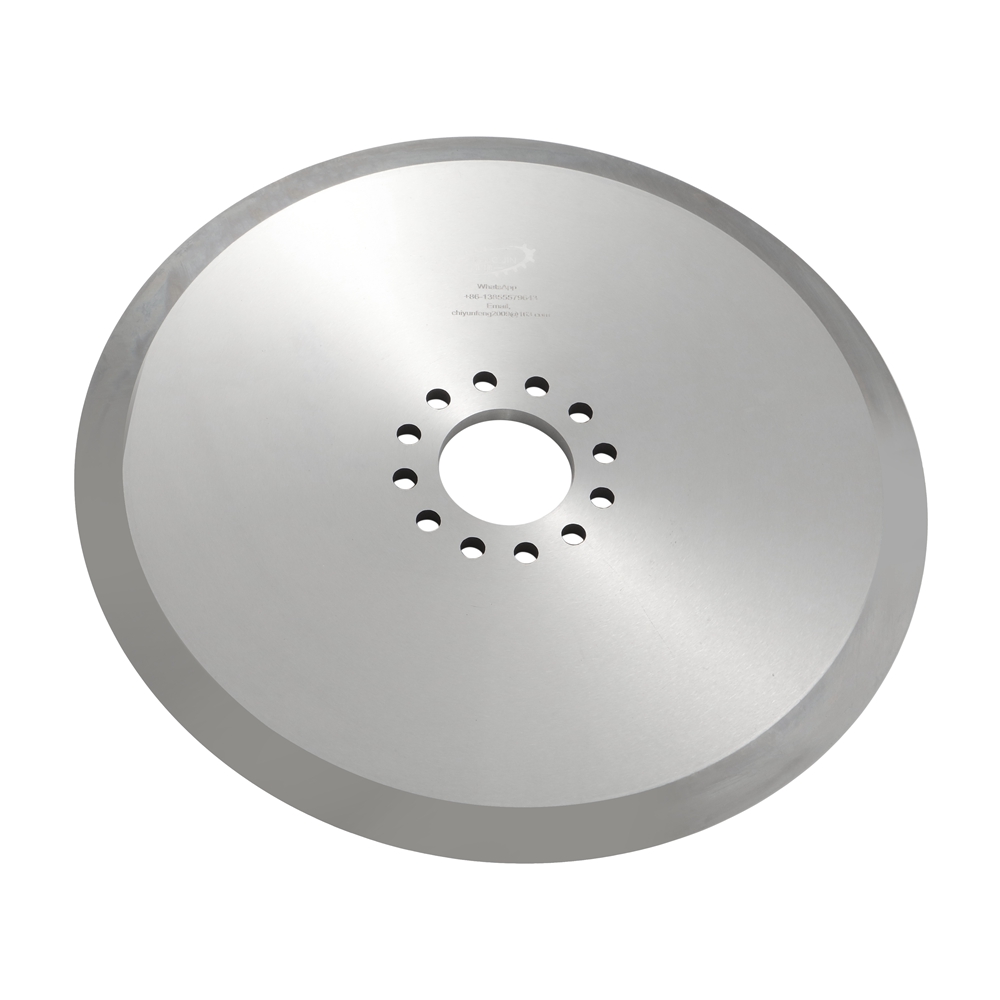
When choosing a Circular Saw Blade for metal, material is always the first thing we look at. It decides how long the blade lasts, how clean the cut is, and how much we spend over time. Two common options stand out in industrial use: High Speed Steel (HSS) and Tungsten Carbide.
Let’s break it down in a clear way:
| Material Type | Performance Level | Cost Level | Best Use Case |
|---|---|---|---|
| HSS | Good toughness, moderate wear | Lower | General metal cutting, light-duty work |
| Tungsten Carbide | High hardness, long-lasting edge | Higher | Precision cutting, heavy-duty use |
Even the best Circular Saw Blade will fail if it doesn’t fit the machine. This part is often overlooked, but it directly affects safety and cutting quality.
There are three key dimensions we always check:
Diameter
It determines how deep the blade can cut. A larger diameter increases cutting capacity but may reduce stability if not matched correctly.
Thickness
It controls rigidity. A thicker blade reduces vibration but needs more power. A thinner blade cuts faster but may bend under pressure.
Bore (Arbor Hole)
This must match the machine shaft exactly. If it is too loose or too tight, the blade will not run smoothly.
Tooth design plays a big role in how a Circular Saw Blade performs. It controls cutting speed, surface finish, and chip removal.
We can simplify it into two main decisions:
Tooth Count
Tooth Shape
Let’s look at tooth count first:
Fewer teeth
They remove more material per rotation. Cutting becomes faster, but the surface is rougher. Good for speed-focused work.
More teeth
They create smaller cuts each time. The result is smoother and more precise. Ideal for finishing or precision jobs.
Now, tooth geometry also matters. It affects how the blade interacts with metal:
Sharp angles improve cutting efficiency
Reinforced edges increase durability
Balanced geometry reduces vibration
Metal cutting always generates heat. It builds up quickly, especially at high speeds. If a Circular Saw Blade cannot handle it, performance drops fast.
We usually focus on three things here:
Heat resistance
Surface coating
Overall blade lifespan
Heat affects the blade in several ways:
It softens the cutting edge
It increases wear rate
It reduces cutting precision
To manage this, manufacturers improve materials and add coatings. These coatings serve multiple functions.Here’s how coating benefits compare:
| Feature | Without Coating | With Coating |
|---|---|---|
| Friction | Higher | Reduced |
| Heat Resistance | Limited | Improved |
| Blade Wear | Faster | Slower |
| Cutting Smoothness | Less consistent | More stable |
When working with steel or stainless steel, hardness becomes the main challenge. These materials resist cutting, generate more heat, and quickly wear down unsuitable blades. Because of this, selecting the right Circular Saw Blade is critical for maintaining efficiency and avoiding frequent replacements.
Here’s how different blade options perform:
| Factor | Steel Cutting Requirement | Recommended Solution |
|---|---|---|
| Material hardness | Very high | Carbide or high-grade HSS |
| Heat generation | High | Heat-resistant blade material |
| Cutting stability | Essential | Rigid blade body |
| Edge durability | Critical | Reinforced tooth design |
In real use, carbide blades are often preferred because they:
Stay sharp longer under heavy load
Resist deformation under high heat
Provide cleaner cuts on tough surfaces
Tooth geometry also matters. For steel:
A balanced tooth design helps reduce vibration
Slightly fewer teeth improve chip removal
Stronger edges prevent chipping during cutting
Manufacturers like Hangjin offer both HSS and carbide circular blades, which helps match different steel cutting scenarios without overcomplicating the selection process.
Aluminum and other soft metals behave very differently. They are easier to cut, but they create a new problem—material sticking. If chips build up on the blade, cutting becomes unstable and inefficient.
So when choosing a Circular Saw Blade for aluminum, we think differently:
Speed becomes more important
Clean chip removal becomes essential
Surface finish still matters
Here are the key adjustments:
Higher cutting speed
Soft metals allow faster rotation, which improves productivity. However, the blade must still stay stable during operation.
Optimized tooth spacing
Slightly fewer teeth help prevent clogging. It gives chips more space to escape instead of sticking to the blade.
Smooth cutting edges
A well-finished edge reduces friction. This helps avoid deformation or rough surfaces.
Material thickness changes everything. A thin sheet behaves very differently from a solid metal bar. Because of this, the Circular Saw Blade must be adjusted accordingly.
We usually divide it into two scenarios:
Requires high precision
Needs smoother edges
Risk of vibration is higher
For thin materials:
Use more teeth for a cleaner finish
Choose a thinner blade to reduce resistance
Maintain stable machine setup
Requires stronger cutting force
Generates more heat
Needs higher rigidity
For thick materials:
Use fewer teeth to improve cutting speed
Choose a thicker blade for stability
Ensure strong blade material (often carbide)
In real work, we adjust both tooth count and blade thickness together. This balance helps maintain cutting quality without overloading the machine.
Not every user has the same requirements. Some run continuous production lines, while others only cut metal occasionally. This difference changes how we choose a Circular Saw Blade.
Let’s look at the two main scenarios:
Continuous operation
High efficiency required
Downtime is costly
In this case, we focus on:
Carbide blades for long life
Stable performance under heat
Reduced maintenance frequency
Short working time
Lower cutting volume
Budget sensitivity
Here, the priorities change:
HSS blades for cost control
Easier sharpening and replacement
Sufficient performance for basic tasks
Hangjin supports both scenarios by offering standard and customized circular blades. This makes it easier to match different workloads without changing suppliers.
Before using any Circular Saw Blade, proper installation must come first. If the blade is not mounted correctly, performance will drop and safety risks will increase. The bore must match the machine shaft exactly, otherwise the blade may wobble during rotation. Even a small mismatch can cause unstable cutting and reduce accuracy over time.
We also need to check the machine’s RPM against the blade’s rated speed. If the machine runs faster than the blade allows, it may lead to overheating or even damage. Alignment plays a key role as well. The blade should sit flat and centered, so it rotates smoothly without vibration. When everything fits correctly, cutting becomes more stable and controlled, especially in metal applications where precision matters.
Extending the life of a Circular Saw Blade is not only about the blade itself. It depends on how we use it during operation. Consistent cutting speed helps reduce stress on the blade. Sudden force or irregular feeding can damage the cutting edge and shorten its lifespan.
Heat is another major factor. Metal cutting naturally generates heat, but excessive heat will weaken the blade over time. Keeping a steady cutting pace helps avoid overheating. It also helps to ensure the blade stays clean during use, since built-up material can increase friction and reduce efficiency. When the blade operates under proper conditions, it maintains sharpness longer and delivers more consistent results.
Over time, every Circular Saw Blade will wear down. Recognizing early signs of wear helps prevent poor cutting performance and potential safety issues. One of the most noticeable changes is a dull cutting edge. When the blade struggles to cut smoothly, it usually means the edge has lost its sharpness.
Another sign is the appearance of burn marks on the material. This often indicates excessive heat during cutting, which suggests the blade is no longer performing efficiently. Rough or uneven cuts are also common when the blade starts to wear. In some cases, cutting may require more force than usual, which is a clear signal that replacement or sharpening is needed. Paying attention to these signs helps maintain both efficiency and safety during operation.
Safety always plays an important role when using a Circular Saw Blade, especially for metal cutting. The cutting process involves high speed and strong resistance, so stable operation is essential. Wearing proper protective equipment helps reduce risks during use. Eye protection is important because metal chips can be ejected during cutting. Gloves and appropriate clothing also help improve control and reduce exposure.
In addition, maintaining a steady working position improves safety. The material should be securely fixed before cutting begins. If the workpiece moves, it may affect the cutting path and increase risk. Smooth and controlled feeding also makes a difference. When the blade runs under stable conditions, it not only improves cutting quality but also reduces the chance of accidents during operation.
Choosing the right Circular Saw Blade depends on material, size, and use. It improves cutting quality and safety. Hangjin offers durable blades, stable performance, and custom solutions for different metal cutting needs.
A: A Circular Saw Blade cuts metal, wood, or plastic materials efficiently.
A: Match blade material, size, and teeth to your metal type.
A: It may run too fast or cut material incorrectly.
A: Carbide lasts longer, while HSS costs less.
A: Replace it when cuts become rough or slow.


