
T: +86-186-8927-7942
E: kemp@hangjin-machinery.com
E: kemp@hangjin-machinery.com
No. 107 Changning Road, Tongjing Town, Jiangning District, Nanjing, Jiangsu, China
Views: 0 Author: Site Editor Publish Time: 2026-04-02 Origin: Site


Are you using the right Circular Saw Blade for your project? Many people choose blindly and get poor results. This article explains how to select the best blade for different materials and cutting needs. You will learn key factors, blade types, and practical tips to improve cutting performance.
A Circular Saw Blade is a rotating cutting tool designed to slice through different materials quickly and accurately. It spins at high speed on a machine shaft, allowing its teeth to engage the material smoothly. As it rotates, each tooth removes small amounts of material, creating a continuous cutting motion. This simple mechanism supports both precision work and high-volume industrial cutting.
A circular saw blade includes several key components that work together during operation:
Teeth: These are the cutting edges. They determine how clean or rough the cut will be. Their shape and spacing affect both speed and finish quality.
Blade body (plate): This supports the teeth and maintains stability during rotation. A well-balanced body reduces vibration and improves cutting accuracy.
Arbor hole: Located at the center, it connects the blade to the machine. Proper fit is critical for safe and stable operation.
Gullet: The space between teeth helps remove chips and debris. It keeps the cutting path clear and prevents overheating.
| Blade Component | Function | Impact on Performance |
|---|---|---|
| Teeth | Cutting material | Determines cut quality and speed |
| Blade Body | Structural support | Reduces vibration, improves stability |
| Arbor Hole | Mounting connection | Ensures safe and accurate rotation |
| Gullet | Chip removal | Prevents clogging and overheating |
Choosing the correct Circular Saw Blade makes a noticeable difference in both results and efficiency. It directly affects how the material is cut, how long the blade lasts, and how safely the process runs.
Improved Cutting Precision
A properly chosen Circular Saw Blade produces cleaner edges and smoother surfaces. It becomes especially important when cuts are visible or require tight tolerances. In applications like paper and packaging, precision blades must maintain consistent accuracy over long production runs.
Reduced Material Waste
When the blade matches the material and application, it removes only what is necessary. This reduces unnecessary damage and minimizes scrap. As a result, it helps lower rework rates and improves productivity in both small and large-scale operations.
Safety is also closely tied to blade selection. A blade that fits the machine and matches the task operates more smoothly. It generates less vibration and heat, which lowers the risk of accidents or tool failure. This is especially important in industrial settings where machines run continuously.
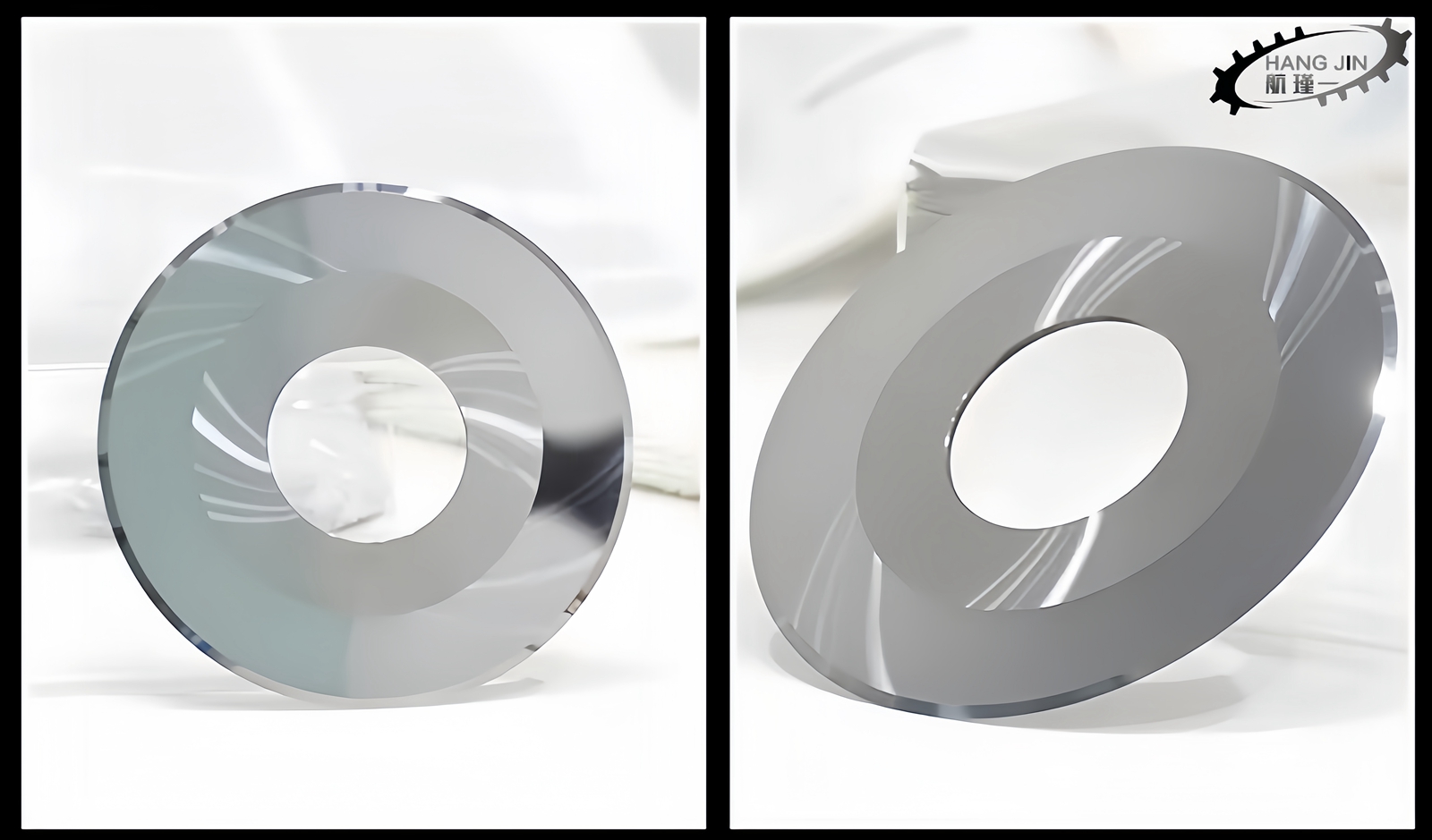
When choosing a Circular Saw Blade, one of the first decisions we face is the blade material. It affects durability, cutting accuracy, and overall cost. In real projects, this choice often depends on how demanding the cutting task is and how long we expect the blade to last.
Not all Circular Saw Blade types are built for the same cutting job. Some are designed for speed. Others focus on surface quality. Understanding this helps us match the blade to the task.
Rip-Cut Blades
Rip-cut blades are designed for cutting along the grain of materials. They remove material quickly. They use fewer teeth and larger gullets. This allows faster cutting but produces a rougher edge. These blades are useful when speed matters more than finish.
Fewer teeth for faster cutting
Larger gullets for chip removal
Best for rough cuts and material sizing
Crosscut Blades
Crosscut blades work differently. They cut across the grain. They have more teeth and smaller gullets. This setup produces smoother and cleaner edges. It is often used in finishing work or visible surfaces.
Higher tooth count for smooth finish
Smaller gullets for controlled cutting
Ideal for finishing and precision edges
Combination Blades
Combination blades try to balance both functions. They include mixed tooth patterns. This allows them to handle both ripping and crosscutting tasks. They are useful when switching between different cuts without changing blades.
Balanced tooth design
Suitable for mixed cutting tasks
Reduces the need for blade changes
In industrial environments, standard blades are often not enough. Specialized Circular Saw Blade designs are needed to meet specific production demands. These blades are engineered for accuracy, durability, and consistent output.
Precision Slitting Blades
Precision slitting blades are widely used in paper, film, and foil processing. They are designed for thin, continuous cuts. They maintain sharpness over long production runs. Hangjin develops these blades for industries where accuracy and smooth edges are critical.
Used in paper, film, and nonwoven industries
Designed for thin, accurate cuts
Support high-speed production lines
Packaging and Corrugated Blades
Circular blades for corrugated cardboard and packaging are built for repetitive cutting tasks. They handle layered materials and high-speed machines. These blades focus on reducing wear and maintaining stable performance during long shifts.
Handle layered and dense materials
Maintain performance during repetitive cutting
Reduce downtime in production environments
Custom Circular Saw Blades
Custom circular saw blades are also important. In many cases, machines require non-standard sizes or special edge designs. Hangjin provides customized solutions based on drawings or specific requirements. This allows better compatibility and improved cutting efficiency.
Designed for specific machines and materials
Available in various sizes and edge types
Improve efficiency in specialized applications
| Application Area | Blade Type | Key Advantage |
|---|---|---|
| Paper & Film | Precision Slitting Blade | High accuracy, smooth edges |
| Packaging & Cardboard | Industrial Circular Blade | Durability, consistent output |
| Custom Machinery | Custom Blade | Perfect fit, optimized cutting |
When selecting a Circular Saw Blade, the first thing we usually check is size. It may seem simple, but it directly affects cutting depth, safety, and machine stability. If the blade diameter does not match the saw, performance drops quickly. In some cases, it can even create safety risks during operation.
The arbor hole is equally important. It connects the blade to the machine spindle. A loose or incorrect fit can cause vibration, uneven cutting, or blade wobbling. That is why we always match both diameter and arbor size carefully before choosing a blade.
Tooth design plays a big role in how a Circular Saw Blade performs. It controls cutting speed, surface finish, and chip removal. When we choose a blade, we often look at tooth count first because it gives a quick idea of how the blade behaves.
A blade with fewer teeth cuts faster. It removes material aggressively. However, it usually leaves a rougher edge. On the other hand, a blade with more teeth cuts more slowly but produces a smoother finish. This trade-off helps us decide based on project requirements.
Tooth geometry also matters. Different shapes change how the blade interacts with the material. Some designs improve smoothness, while others increase cutting speed. In precision industries like paper or film slitting, Hangjin designs tooth structures to maintain consistent edge quality over long production runs.
Kerf refers to the width of the cut created by the Circular Saw Blade. It may seem like a small detail, but it affects both efficiency and power usage. A wider kerf removes more material, while a thinner kerf reduces resistance during cutting.
Thin kerf blades are often used when we want to save material or reduce load on the machine. They require less power, making them suitable for lighter equipment or thinner materials. Full kerf blades, however, are stronger and more stable. They are better for heavy-duty cutting and thicker materials.
In industrial production, choosing the right kerf can improve efficiency significantly. Hangjin designs blades with optimized thickness to balance durability and cutting performance across different materials.
The material of a Circular Saw Blade determines how long it lasts and how well it performs under stress. It also affects how the blade handles heat, friction, and wear during operation. This is why material selection is one of the most important factors.
Common blade materials include carbide and high-speed steel. Carbide blades are known for their hardness and wear resistance. They stay sharp longer, especially in demanding environments. High-speed steel blades are more flexible and easier to maintain, making them suitable for general applications.
Modern blades may also include advanced coatings. These coatings reduce friction, improve heat resistance, and extend blade life. They also help maintain cutting accuracy over time, especially in high-speed operations.
Key Factors Summary Table for Choosing a Circular Saw Blade
| Factor Category | Key Element | What It Affects | Practical Impact on Performance |
|---|---|---|---|
| Size & Compatibility | Blade Diameter | Cutting depth and reach | Must match machine limits to ensure safe and effective cutting |
| Arbor Size | Mounting stability | Incorrect fit can cause vibration, wobbling, and poor accuracy | |
| Cutting Performance | Tooth Count | Speed vs finish quality | Fewer teeth cut faster but rougher; more teeth cut smoother but slower |
| Tooth Design | Cutting behavior and edge quality | Different geometries improve either speed or surface finish | |
| Efficiency | Kerf Width | Material removal and resistance | Thin kerf saves material and power; full kerf offers stability |
| Blade Thickness | Strength and durability | Thicker blades handle heavy-duty work; thinner blades reduce load | |
| Material & Durability | Blade Material | Lifespan and wear resistance | Carbide lasts longer; HSS is more flexible and cost-effective |
| Coating Technology | Heat and friction control | Coatings improve lifespan, reduce heat, and maintain precision |
When choosing a Circular Saw Blade, we always start by understanding the material we plan to cut. Different materials behave differently under cutting pressure. Some are soft and flexible, while others are dense or abrasive. This difference directly affects how the blade performs during operation.
For example, softer materials such as wood or plastic require sharp and clean cutting edges. They do not demand extreme hardness, but they still need stability to avoid tearing. On the other hand, materials like paper, film, or packaging products require very precise and consistent cutting. Even small variations can affect the final product quality. In these cases, blades designed for precision slitting are more suitable.
Harder materials, including metal or composite structures, create more friction and heat. They require blades that can resist wear and maintain performance over time. Hangjin develops circular blades for a wide range of materials, especially in industrial applications such as paper processing and packaging. Their focus is on maintaining stable cutting results while extending blade life.
After selecting the material, we need to consider how the cut will be used. Not all cuts require the same level of finish. Some cuts are only part of a process, while others are visible in the final product. This difference changes how we choose the blade.
If the cut is hidden or used for rough shaping, speed becomes more important than appearance. In this situation, a blade designed for faster cutting works better. It removes material quickly and keeps production moving. However, the surface may not be perfectly smooth.
When the cut is visible, quality becomes the priority. A smoother edge reduces the need for additional finishing work. It also improves the overall appearance of the product. Blades designed for precision cutting produce cleaner edges, but they usually operate at a slower speed.
In industrial environments, especially in paper and packaging applications, consistent edge quality is critical. Hangjin’s circular blades are often used in these situations because they are designed to maintain stable performance over long production runs.
Every project has different priorities, so we need to balance performance factors carefully. Sometimes the goal is maximum speed. Other times, precision or cost becomes the main concern. Choosing the right Circular Saw Blade means understanding which factor matters most.
In high-speed production environments, the blade must handle continuous operation without losing sharpness. It should resist heat and wear while maintaining cutting efficiency. Blades made from durable materials are often preferred in these cases because they reduce downtime and improve productivity.
In precision-focused applications, accuracy is more important than speed. The blade must deliver consistent results across many cuts. This is especially important in industries where small variations can lead to defects. A stable and well-designed blade helps maintain uniform quality.
Cost also plays a role in decision-making. For lighter or short-term projects, it may be more practical to choose a blade with a lower initial cost. Even if it wears faster, it can still meet the needs of the task. Hangjin offers both durable and cost-effective circular blade options, allowing users to match their choice to specific production goals.
Standard blades do not always meet every requirement. In many industrial situations, machines have unique specifications, and materials may require special cutting conditions. This is where custom Circular Saw Blade solutions become important.
Custom blades are designed to match exact needs. This includes adjusting the diameter, thickness, and cutting edge design. By doing this, the blade fits the machine perfectly and performs more efficiently. It also helps reduce vibration and improve stability during operation.
Choosing the right Circular Saw Blade depends on material, cutting needs, and performance goals. A proper match improves efficiency, accuracy, and safety during use. Hangjin provides reliable circular blade solutions designed for precision, durability, and customization. Their products help users achieve stable cutting results and better production value.
A: A Circular Saw Blade is used to cut wood, metal, plastic, and industrial materials efficiently.
A: Choose a Circular Saw Blade based on material type, tooth count, and cutting purpose.
A: Tooth count affects speed and finish; more teeth give smoother cuts, fewer cut faster.
A: Carbide Circular Saw Blade lasts longer, while HSS is more affordable for general use.
A: Use a custom Circular Saw Blade for special machines or precise industrial applications.


