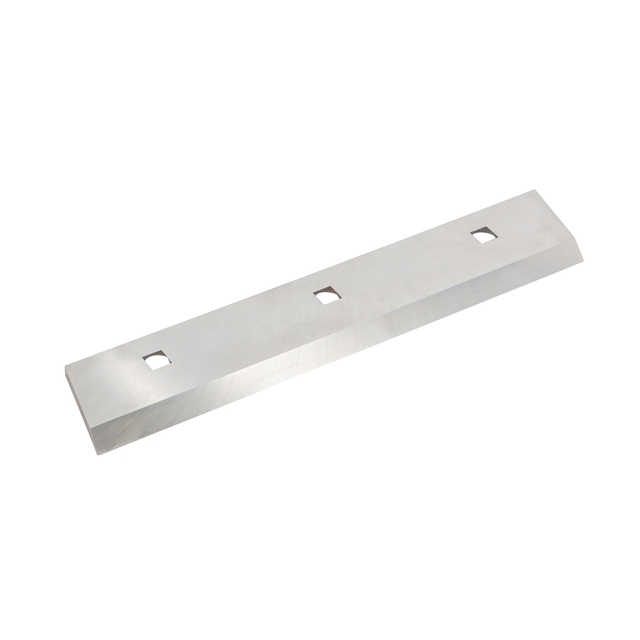
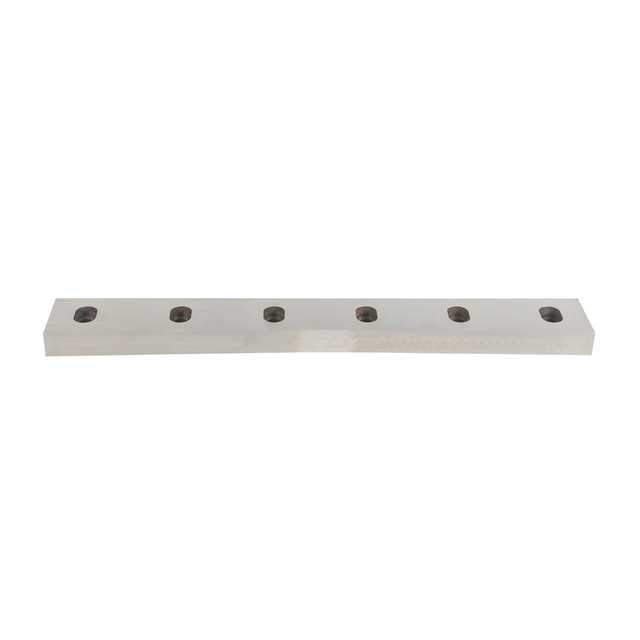
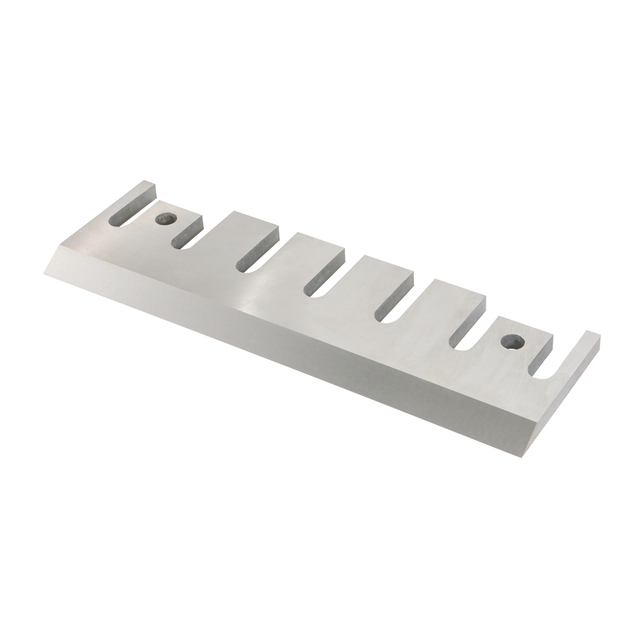
Feed Mixer Blade for Animal Feed Processing Equipment
You are here: Home » Products » TMR Mixer Blade » Feed Mixer Blade » Feed Mixer Blade for Animal Feed Processing Equipment

Related Products

Feed Mixer Blade for Animal Feed Processing Equipment

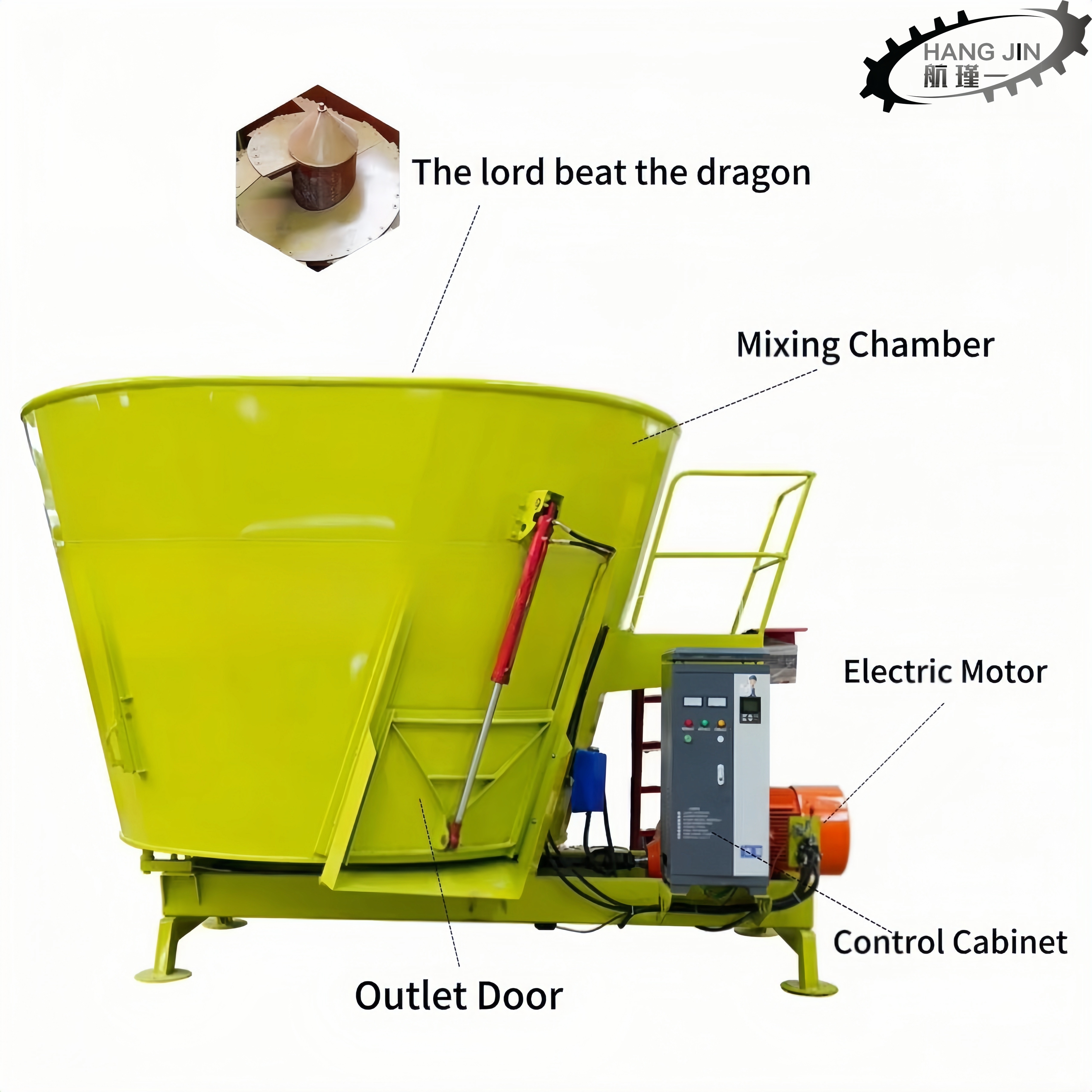
Feed mixer blades are precision-engineered components designed to optimize the mixing process in feed production, ensuring uniform blending of grains, silage, vitamins, and other ingredients for livestock and poultry. Crafted from high-grade stainless steel or hardened alloys, these blades are built to withstand heavy-duty operations, resist corrosion, and maintain sharpness even under prolonged use. Their advanced geometric design enhances cutting efficiency and reduces energy consumption, making them ideal for vertical or horizontal feed mixers in farms and feed mills.

Key features include customizable sizes (compatible with 1-ton to industrial-scale mixers), robust construction for durability, and easy installation. These blades ensure consistent feed texture, prevent nutrient segregation, and improve digestibility for animals. Suitable for processing diverse materials like corn, barley, soybean, and mineral additives, they are widely used in dairy farms, poultry operations, and feed processing plants.
Manufactured under ISO-certified standards, feed mixer blades offer reliability and compliance with global agricultural machinery requirements. Available through OEM/ODM services, they cater to both small-scale and large-scale production needs, delivering cost-effective solutions for enhanced feed quality and operational efficiency.
Availability:
Quantity:
facebook sharing button
twitter sharing button
line sharing button
wechat sharing button
linkedin sharing button
pinterest sharing button
whatsapp sharing button
kakao sharing button
snapchat sharing button
telegram sharing button
sharethis sharing button

Our feed mixer blades are engineered to provide reliable efficiency and long-lasting durability for demanding animal feed processing equipment. Manufactured from premium stainless steel or hardened alloys, these components offer substantial resistance against daily wear, corrosive environments, and heavy impact. The geometric design is specifically calibrated to optimize the cutting and blending process. This precise engineering helps reduce overall mixing time and energy consumption while ensuring a consistent, uniform feed texture that is essential for proper livestock nutrition and digestion.


Technical Features:

  • High-Strength Materials: Constructed from premium-grade stainless steel or hardened alloys, these blades are designed to maintain structural integrity and sharp edges even when processing abrasive grains continuously. This robust material selection ensures long-lasting performance in harsh industrial environments, significantly extending the service life of your mixing equipment.

  • Optimized Blade Geometry: The specially designed angles and curves are calculated to enhance mixing efficiency by preventing dead zones within the mixing chamber. This ensures a thorough and uniform distribution of grains, silage, and micro-additives throughout every batch.

  • Corrosion Resistance: Processing wet silage or acidic feed materials can rapidly degrade standard metals. Our blades feature treated surfaces that provide excellent protection against rust and chemical damage, maintaining operational safety and hygiene standards over extended periods.

  • Customizable Sizes: Available in a comprehensive range of dimensions to fit equipment scaling from 1-ton farm mixers to large industrial-scale processing plants. They are fully compatible with both vertical and horizontal mixing systems, ensuring seamless integration into your existing setup.


Product Advantages:

  • Enhanced Feed Quality: By ensuring a highly thorough mixing process, these blades actively prevent nutrient segregation. A homogenous feed mixture is critical for improving animal digestibility and ensuring that livestock receive a balanced diet in every bite.

  • Energy Efficiency: The sharp, optimized profile of the blade reduces mechanical resistance during the mixing cycle. This streamlined operation can reduce power consumption by up to 20%, directly lowering daily operational costs for feed mills and agricultural facilities.

  • Exceptional Durability: Built specifically to withstand heavy-duty, continuous use. The enhanced wear resistance minimizes unexpected equipment downtime and reduces the frequency of blade replacements, contributing to a more stable and predictable production schedule.

  • Easy Installation: Designed with standardized mounting configurations for quick and hassle-free replacement. This practical design consideration allows maintenance crews to perform swaps efficiently, reducing labor time and keeping your processing lines moving.


Unique Selling Points:

  • ISO-Certified Manufacturing: Produced in facilities that strictly comply with global agricultural machinery standards, providing buyers with verifiable assurance of consistency, safety, and operational reliability.

  • Broad Versatility: Highly suitable for processing a wide range of feed materials. Whether you are mixing dense corn, fibrous barley, sticky soybean meal, or fine mineral additives, these blades deliver consistent results across varying material densities.

  • Comprehensive OEM/ODM Services: We understand that different mixing equipment may require specific blade profiles. We offer customizable design and manufacturing services to meet the exact operational needs and proprietary specifications of equipment manufacturers.


Investing in engineered feed mixer blades is a strategic decision for feed mill operators seeking to enhance daily processing productivity, control maintenance costs, and consistently deliver well-blended, nutritious feed batches.


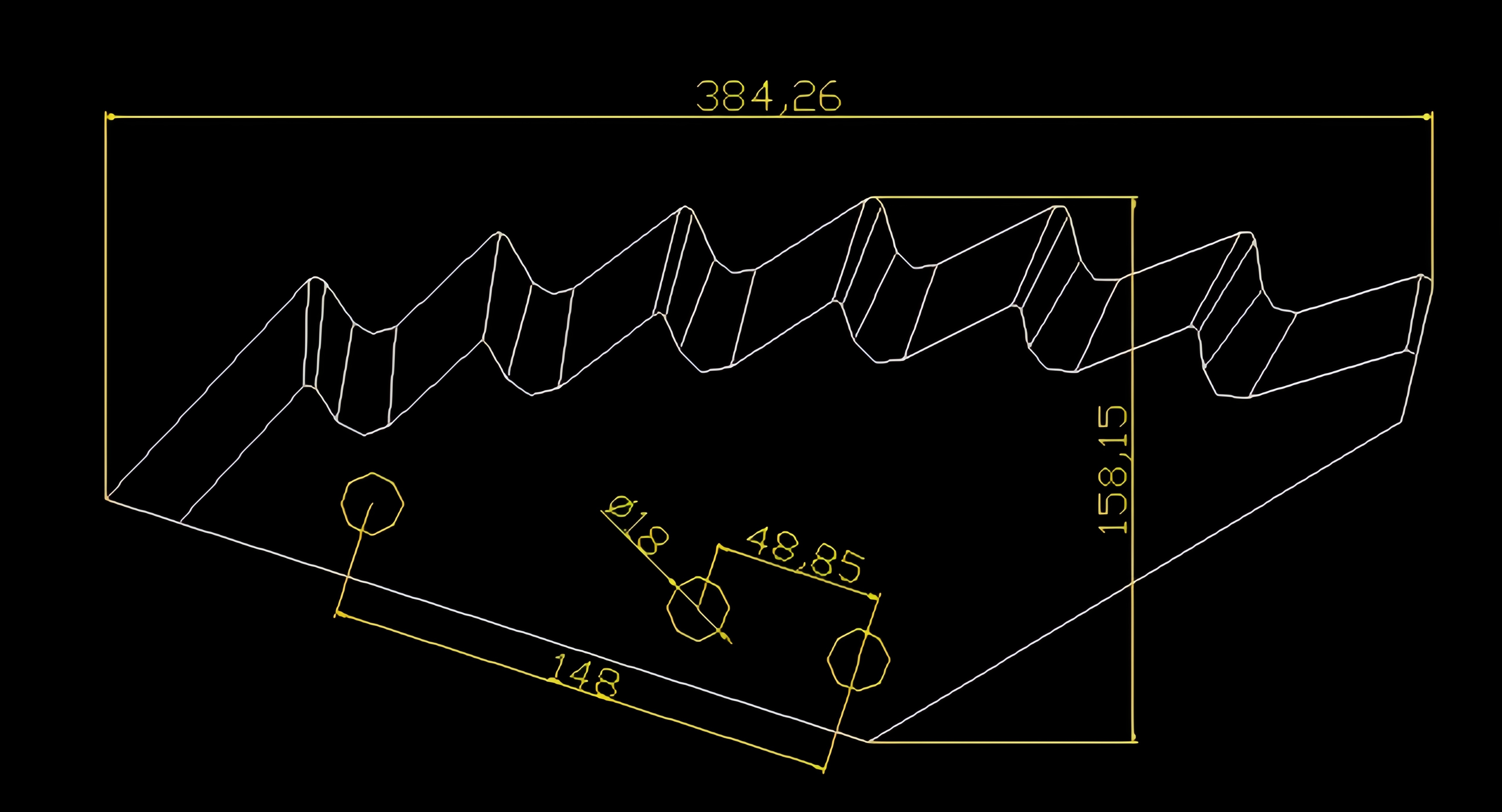
图纸参考

产品展示


Selecting the appropriate material is crucial for ensuring the durability, wear resistance, and cutting efficiency of feed mixer blades. Below is a comprehensive cross-reference table of our industrial blade material steel grades. We provide a wide range of material options—including Alloy Steel, Tool Steel, and High-Speed Tool Steel—enabling you to specify the exact grade that meets your animal feed processing equipment requirements and aligns with your regional industrial standards.

Industrial    Blades    Material    Steel    Grade   Table
Categories China(GB/T YB) Euro(DIN/BS/NF) American(AISI) Japan(JIS) ISO
Alloy 9CrSi ― ― ― ―

6CrW2Si ― ― ― 50WCrV8
Tool Cr12Mo1V1 1.2379 D2 SKD 11 X153CrMoV12

Cr12MoV ― ― ― ―
Steel 4Cr5MoVSi 1.2343 H11 SKD6 X37CrMoV5-1

4Cr5W2VSi 1.2606 H12 SKD62 ―

4Cr5MoV1Si 1.2344 H13 SKD 61 X35CrMoV5-1
High W18Cr4V 1.3355 T1 SKH2 HS18-0-1
Speed W6Mo5Cr4V2 1.3341/1.3343 M2 SKH51 HS6-5-2
Tool W6Mo5Cr4V3 1.3344 M3 SKH53 HS6-5-3
Steel W6Mo5Cr4V2Co5 1.3243/1.3245 M35 SKH55 HS6-5-2-5

The availability of multiple international standards (including GB/T, DIN, AISI, JIS, and ISO) ensures seamless integration into your existing procurement specifications. Proper material selection balances toughness and edge retention, directly impacting the maintenance cycle, operational stability, and overall cost-efficiency of your animal feed mixing operations.

Feed mixer blades are indispensable components in modern agricultural and feed production equipment, specifically designed to deliver consistent, efficient, and homogeneous mixing across a wide variety of processing applications. For procurement managers and facility operators, selecting the right mixing components is critical to ensuring operational efficiency, minimizing feed waste, and maintaining strict quality control. From handling delicate nutritional supplements to processing heavy organic waste, these blades provide reliable solutions tailored to diverse industry demands.

Dairy and Livestock Farms: Optimizing TMR and Herd Health

In dairy and livestock farms managing cattle, sheep, and pigs, the accuracy of the feed mixing process directly influences animal health and farm profitability. Feed mixer blades are widely used to ensure the uniform blending of silage, grains, roughage, and nutritional additives, creating a perfectly balanced Total Mixed Ration (TMR). A thoroughly mixed ration prevents livestock from sorting their feed, ensuring they consume the intended dietary formulation. This consistent intake improves feed digestibility, promotes optimal milk production in dairy herds, and enhances overall growth rates and herd performance. For farm operators, this translates to better feed conversion ratios and a higher return on investment.

Poultry Farms: Precision Mixing for Micro-Ingredients

Poultry farming requires exceptionally precise feed formulation, as the smaller daily intake of birds means any batch inconsistency can impact flock health. In these environments, feed mixer blades play a critical role in blending protein-rich base feeds with essential micro-ingredients, including vitamins, minerals, and amino acids. The blades ensure that these concentrated additives are evenly distributed throughout the entire mixture. This uniform nutrient delivery is vital for supporting rapid growth rates, maintaining flock uniformity, and maximizing egg production efficiency, helping poultry operations meet demanding commercial targets.

Commercial Feed Mills: High-Volume Raw Material Processing

For commercial feed manufacturing facilities, equipment reliability and batch-to-batch consistency are paramount. Feed mixer blades are extensively utilized in feed mills to process large volumes of raw agricultural materials such as corn, barley, soybean meal, and bulk mineral supplements. Designed to support high-throughput operations, these blades facilitate rapid and thorough mixing, ensuring that every batch of commercial feed meets stringent nutritional and quality standards before distribution. By minimizing mixing times and eliminating unmixed pockets within the equipment, they help facility managers optimize production schedules and reduce operational bottlenecks.

Biogas Plants: Efficient Organic Waste Management

Beyond traditional animal agriculture, these blades are highly effective in the renewable energy sector, particularly within biogas plants. In these specialized facilities, the blades are tasked with mixing diverse organic waste materials to produce a homogeneous feedstock, which is a critical step for efficient anaerobic digestion and energy generation. The processing environments in biogas plants often involve handling wet, acidic, or abrasive materials. The reliable mixing action provided by these blades ensures the continuous breakdown of organic matter, preventing equipment blockages and supporting stable, uninterrupted energy production.

Scalability for Diverse Purchasing Needs

Whether implemented in small-scale family farms or large-scale industrial processing plants, feed mixer blades are a vital tool for modern agriculture and waste management. They enhance overall facility productivity, significantly reduce material waste, and guarantee consistent output quality, making them a secure and valuable investment for any operation relying on precise material blending.


产品使用


To ensure the best performance, optimal mixing efficiency, and extended longevity of your feed mixer blades, it is essential to follow standardized operational and maintenance procedures. Proper handling not only protects your investment in animal feed processing equipment but also minimizes unexpected downtime, reduces energy consumption, and maintains consistent feed quality for your livestock. Please review and adhere to the following comprehensive guide for installation, daily operation, and long-term care.


  • Installation: Before installation, thoroughly inspect the new blades for any transit damage, structural defects, or surface irregularities. Ensure the feed mixer is completely turned off, disconnected from the main power supply, and properly locked out to prevent accidental startups. Carefully align the blades correctly with the mixer shaft or mounting brackets. Secure them tightly using the provided heavy-duty bolts or specified fasteners, adhering to the recommended torque settings. After tightening, double-check the alignment and manually rotate the shaft if possible to verify there is no mechanical interference. Proper alignment is critical to avoid imbalance, excessive vibration, and premature wear on the mixer's bearings during high-speed operation.

  • Operation: When initiating the mixing process, always start the mixer at a low speed to allow the blades to settle into position and to verify that the system is running smoothly without abnormal noises. Gradually increase the rotational speed to the recommended level suitable for your specific feed type and batch volume. It is crucial to avoid overloading the mixer chamber beyond its rated capacity. Overloading can place severe mechanical strain on the blades, significantly reduce mixing efficiency, and potentially cause structural deformation or motor burnout. Feed ingredients should be added steadily rather than dumped all at once, allowing the blades to process the materials evenly and maintain a consistent flow.

  • Maintenance: Routine maintenance is the key to sustaining optimal mixing performance. Regularly inspect the cutting edges and flat surfaces of the blades for signs of uneven wear, micro-cracks, or general dullness. Dull blades will force the mixer to work harder, increasing power consumption and extending mixing times. Sharpen or replace the blades proactively as needed to maintain a precise cutting and lifting action. Furthermore, thoroughly clean the blades and the interior of the mixing chamber after each production run. Removing leftover feed residue prevents moisture accumulation, localized corrosion, and the growth of harmful bacteria, which could contaminate subsequent feed batches and degrade the blade material over time.

  • Safety Precautions: Safety must always be the top priority when interacting with industrial feed processing equipment. Always wear appropriate personal protective equipment (PPE), including heavy-duty cut-resistant gloves and safety goggles, when handling, installing, or replacing the sharp mixer blades. Ensure the mixer is completely powered off and that a strict Lockout/Tagout (LOTO) procedure is in place before performing any inspection or maintenance tasks. Never attempt to clear blockages or reach into the mixing chamber while the machine is connected to a power source.

  • Storage: Proper storage of spare blades is essential to ensure they remain in pristine condition until needed. Store all replacement blades in a clean, dry, and well-ventilated indoor environment to prevent rust and environmental degradation. It is highly recommended to apply a light coating of food-safe rust-preventive oil to the metal surfaces before storage. Keep the blades organized on secure shelving, avoiding stacking heavy objects on top of them to prevent accidental bending or structural damage.


By strictly following these operational and maintenance guidelines, you can maximize the mechanical efficiency, durability, and operational safety of your feed mixer blades. A proactive approach to equipment care ensures consistent feed nutritional distribution, smooth daily operations, and a lower total cost of ownership for your feed production facility.


Q: Are you a trading company or a manufacturer?

A: We are a direct factory specializing in the production of tungsten carbide products, including feed mixer blades. This direct manufacturing approach allows us to control the entire production process and provide reliable support for your procurement needs.


Q: Where is your factory located?

A: Our manufacturing facility is located in Nanjing. This location provides us with efficient logistics and supply chain advantages, ensuring we can manage production schedules and dispatch orders effectively for our clients.


Q: How long is your delivery time?

A: For standard types where we already have existing molds, the lead time is typically two weeks after receiving the advance payment.

For non-standard or customized blades that require new molds, production takes approximately 4 to 6 weeks upon receipt of the advance payment.


Q: Is the price competitive?

A: Yes, UKO offers reliable products with competitive pricing. As a direct manufacturer, we provide cost-effective solutions designed to help optimize your equipment maintenance budget while maintaining consistent operational performance.


Q: Are the products High Quality?

A: Yes. We implement strict quality control procedures throughout the entire manufacturing cycle. Raw materials are thoroughly tested before bulk production begins. Furthermore, we conduct comprehensive inspections on physical properties, shape dimensions, and strict tolerances to ensure every feed mixer blade meets qualified standards before shipping.


Previous: 
Next: 
Nanjing Hangjin Machinery Equipment Co., Ltd. is one professional manufacturer which provide various of blade and Knife, widely used at steel, agriculture, graziery, paper-making, package, forestry, lithium battery, cottonocracy, plastic, food etc.

QUICK LINK

PRODUCT CATEGORY

CONTACT US

Tel: +86-186-8927-7942
WhatsApp: +8618689277942
Skype: Kemp.yu
Add: No. 107 Changning Road, Tongjing Town, Jiangning District, Nanjing, Jiangsu, China
Copyright © 2025 Nanjing Hangjin Machinery Equipment Co., Ltd. All Rights Reserved. | Sitemap | Privacy Policy