| Availability: | |
|---|---|
| Quantity: | |
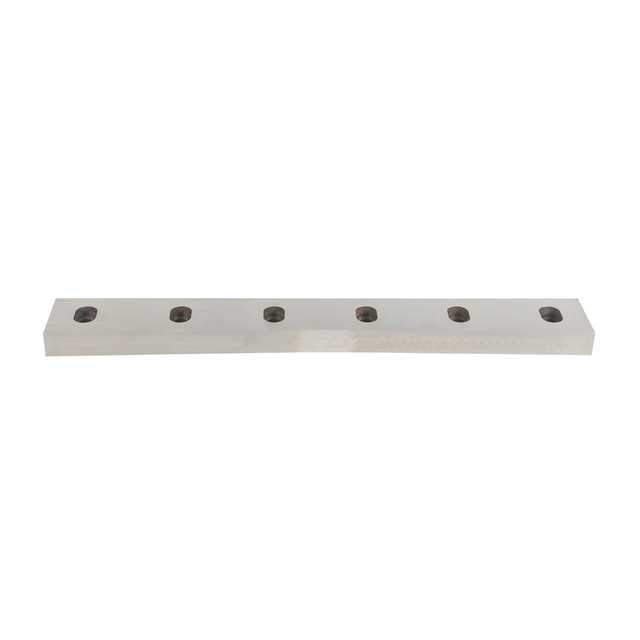
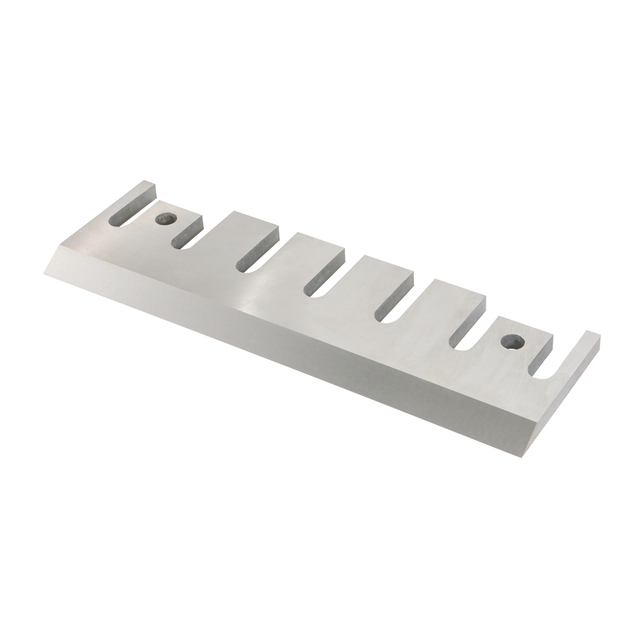
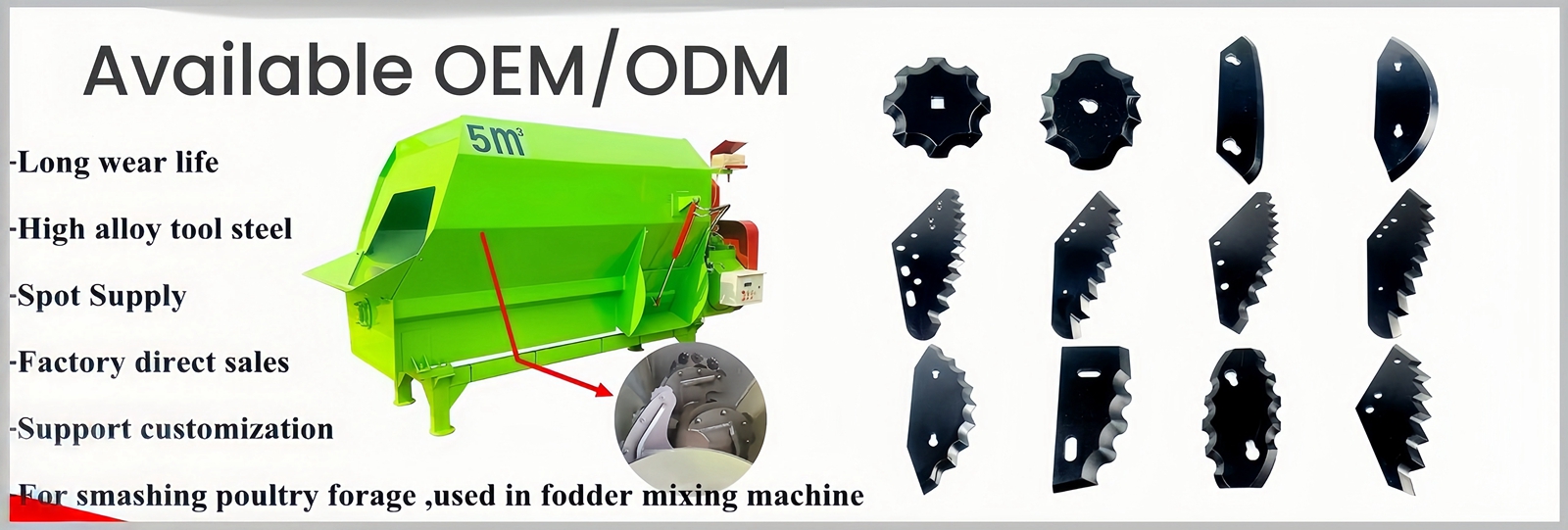
The Wear Resistant Blade for Vertical TMR Feed Mixers is engineered to deliver exceptional performance in demanding agricultural environments. Designed with a strict focus on efficiency, longevity, and reliability, this cutting tool ensures the clean and consistent processing of forage, significantly improving overall operational yield. By integrating advanced materials with precision manufacturing technology, it provides a dependable solution for farms and agricultural facilities looking to optimize their feed preparation processes while minimizing long-term operational costs.
At the core of this blade's superior performance is its high-strength alloy construction. Built to withstand the heavy-duty conditions typical of vertical TMR feed mixers, the material offers outstanding resistance to continuous wear and tear. When processing tough, abrasive forage materials, standard blades often suffer from rapid degradation, leading to frequent replacements. Our wear-resistant blade maintains its structural integrity and sharp cutting edge over extended periods. This exceptional durability effectively reduces the risk of unexpected equipment downtime and lowers overall maintenance expenses for purchasing managers.
The meticulously optimized blade profile is designed to minimize mechanical resistance and maximize material flow during the mixing process. This aerodynamic and hydrodynamic efficiency ensures that the feed is cut and mixed smoothly, preventing material blockages and reducing friction. Consequently, the machinery requires less power to operate, translating into noticeable reductions in energy consumption. For large-scale agricultural operations, this energy-efficient design not only contributes to a lower environmental impact but also delivers substantial savings on fuel or electricity costs over the equipment's lifespan.
Understanding the diverse equipment landscape in modern farming, this blade features a highly adaptable design that ensures broad compatibility with a wide range of vertical TMR feed mixers. This versatile integration means that agricultural operators can utilize the same high-quality blade across different machinery units without the need for frequent hardware adjustments or custom modifications. For procurement teams and distributors, this significantly simplifies inventory management, reducing the need to stock multiple blade variations and streamlining the overall purchasing process.
Agricultural environments frequently expose equipment to high humidity, acidic plant juices from silage, and other corrosive elements. To combat this, the blade is treated with a premium anti-corrosion coating that acts as a robust barrier against environmental degradation. This protective layer ensures the blade remains functional and structurally sound even in the harshest conditions. Furthermore, the user-friendly structural design simplifies routine maintenance. The thoughtful engineering allows for straightforward handling, meaning that when replacements are eventually required, operators can manage the task efficiently, further minimizing labor costs and keeping the mixers operational.
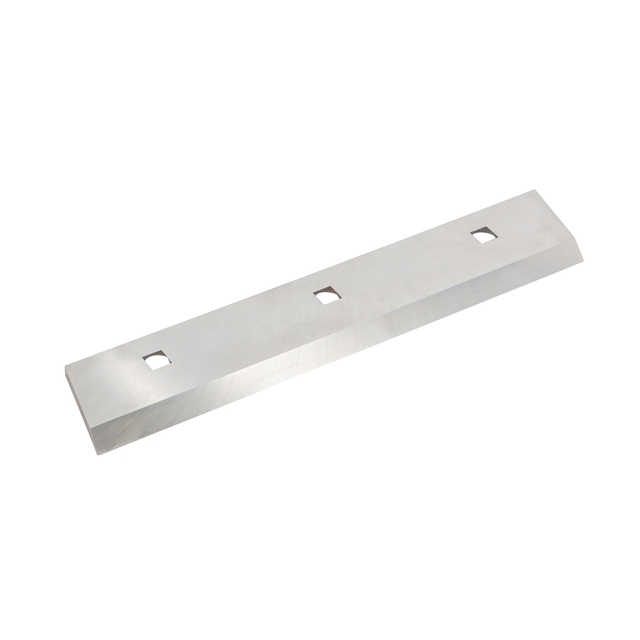
Selecting the right material is crucial for the performance and longevity of wear-resistant blades used in vertical TMR feed mixers. To facilitate accurate material specification for our global clients, we provide a comprehensive cross-reference table of industrial blade steel grades. This technical parameter guide aligns Chinese standards (GB/T YB) with equivalent European (DIN/BS/NF), American (AISI), Japanese (JIS), and ISO standards across various alloy steels, tool steels, and high-speed tool steels, helping purchasing managers verify exact material requirements.
| Industrial Blades Material Steel Grade Table | |||||
| Categories | China(GB/T YB) | Euro(DIN/BS/NF) | American(AISI) | Japan(JIS) | ISO |
| Alloy | 9CrSi | ― | ― | ― | ― |
| 6CrW2Si | ― | ― | ― | 50WCrV8 | |
| Tool | Cr12Mo1V1 | 1.2379 | D2 | SKD 11 | X153CrMoV12 |
| Cr12MoV | ― | ― | ― | ― | |
| Steel | 4Cr5MoVSi | 1.2343 | H11 | SKD6 | X37CrMoV5-1 |
| 4Cr5W2VSi | 1.2606 | H12 | SKD62 | ― | |
| 4Cr5MoV1Si | 1.2344 | H13 | SKD 61 | X35CrMoV5-1 | |
| High | W18Cr4V | 1.3355 | T1 | SKH2 | HS18-0-1 |
| Speed | W6Mo5Cr4V2 | 1.3341/1.3343 | M2 | SKH51 | HS6-5-2 |
| Tool | W6Mo5Cr4V3 | 1.3344 | M3 | SKH53 | HS6-5-3 |
| Steel | W6Mo5Cr4V2Co5 | 1.3243/1.3245 | M35 | SKH55 | HS6-5-2-5 |
Beyond the standard materials listed above, we offer flexible customization services to meet specific operational demands. Whether your vertical TMR feed mixer requires unique blade dimensions, specialized steel grades, or specific heat treatments to handle highly abrasive feedstuffs, our manufacturing capabilities can accommodate your exact purchasing requirements.

The Wear Resistant Blade for Vertical TMR Feed Mixers, also widely utilized as a high-performance forage blade, is a versatile cutting tool specifically designed to enhance operational efficiency across demanding agricultural and landscaping applications. Its precision-engineered profile ensures clean, consistent cuts across various vegetation types, making it an ideal choice for managing diverse forage crops, dense grass, and other challenging plant materials. Farmers, livestock operators, and landscaping professionals can rely on this dependable blade to significantly improve daily productivity, optimize processing times, and effectively reduce unexpected operational downtime during critical harvesting or maintenance seasons.
In the demanding field of agriculture, the forage blade proves to be particularly effective for harvesting and processing essential forage crops such as alfalfa, clover, and various field grasses. When integrated into vertical TMR (Total Mixed Ration) feed mixers or related harvesting equipment, the blade delivers precise cutting action that minimizes crop damage. This clean-cutting capability is crucial for preserving the nutritional integrity of the forage, preventing nutrient loss, and ultimately ensuring higher-quality yields for livestock feed.
Additionally, the blade’s compatibility with a wide range of agricultural machinery makes it a highly flexible and scalable solution for diverse farming environments. Whether deployed on small-scale family farms or within extensive, high-capacity commercial agricultural operations, the blade readily adapts to varying processing volumes. It effectively handles both high-moisture crops and dry, fibrous materials, ensuring that the preparation of livestock feed remains consistent, efficient, and reliable regardless of seasonal changes or unpredictable crop conditions.
Beyond agricultural feed processing, the forage blade excels in the hands of landscaping professionals tasked with maintaining expansive lawns, public parks, and high-traffic recreational areas. Heavy-duty grounds maintenance often involves encountering unpredictable terrain and thick, overgrown brush. This blade is specifically optimized to handle dense vegetation and uneven terrain, ensuring a polished, professional finish even in the most challenging outdoor environments.
For municipal contractors and commercial landscapers, achieving a clean cut on thick grasses and weeds without constantly stopping to clear debris is essential for project profitability. The blade supports continuous operation, allowing crews to cover larger areas of parks and recreational facilities in significantly less time. By providing reliable performance across diverse landscaping scenarios, it serves as a highly cost-effective choice for routine maintenance tasks, helping professionals meet strict project deadlines while maintaining superior aesthetic standards for public and private green spaces.
Whether utilized in intensive farming environments for TMR feed preparation or deployed in commercial landscaping for large-scale vegetation management, the blade consistently delivers unmatched performance and versatility. It is the go-to tool for procurement managers and operational professionals seeking to optimize their equipment fleets and achieve superior, repeatable results. By selecting a blade designed for broad application adaptability, operations can streamline their implement inventory, ensuring that machinery is always equipped to handle the specific demands of the terrain or the crop at hand, thereby maximizing the return on equipment investment.
The Wear Resistant Blade for Vertical TMR Feed Mixers is a precision-engineered cutting tool designed for demanding agricultural feeding applications. To ensure optimal mixing performance, maintain precise cutting efficiency, and maximize the operational longevity of the blades, it is essential to follow proper handling procedures. Proper operation and proactive maintenance not only protect your equipment investment but also help prevent unexpected downtime during critical daily feeding schedules. Please adhere to the following comprehensive guidelines regarding installation, operation, maintenance, storage, and safety.
Before initiating any installation procedures, carefully verify that the blade is securely attached and fully compatible with your specific vertical TMR feed mixer model. Thoroughly clean the mounting surface on the auger to remove feed residue or rust, ensuring a flush fit. Check for proper alignment before final tightening; misalignment can lead to uneven cutting forces, increased localized wear, and potential damage to the auger system. Tighten all mounting bolts strictly to the manufacturer’s recommended torque settings using a calibrated torque wrench to prevent the blade from loosening under heavy forage loads.
Always operate the TMR mixer and its cutting blades within the specified rotational speed and load capacity limits. Avoid overloading the mixer with excessively dense or frozen forage beyond its rated capacity, as this can cause severe overheating, mechanical stress, and prematurely reduce the blade's lifespan. For best results, ensure the feed materials are as free of foreign debris as possible. Operating in clean environments and removing accidental stones or metal scrap from the forage will significantly prevent chipping and damage to the cutting edge. Introduce tough materials gradually to avoid sudden shock loads.
Implement a regular inspection schedule to examine the blades for early signs of wear, such as dull edges, micro-cracks, or missing hardware. Sharpen the blade as needed using appropriate grinding tools to maintain optimal cutting efficiency, taking care to preserve the original factory bevel angle and avoid overheating the metal. Clean the blade and the surrounding auger area thoroughly after each mixing cycle. Removing acidic silage residue and moisture is critical to prevent accelerated corrosion. Replace blades in balanced pairs when significant wear is detected to maintain the dynamic balance of the mixer.
If spare blades are to be stored for an extended period, keep them in a dry, cool, and well-ventilated indoor place to prevent rust and environmental degradation. Apply a light coating of food-safe rust-inhibiting oil or protective grease to the exposed metal surfaces before storage. Use original protective covers, cardboard sleeves, or edge guards if available to shield the sharpened cutting edges from accidental impacts and moisture. Store blades flat on stable shelving to prevent accidental falls.
Always prioritize safety by wearing appropriate personal protective equipment (PPE), including heavy-duty cut-resistant gloves and safety glasses, whenever handling or inspecting the sharp forage blades. Strictly adhere to Lockout/Tagout (LOTO) safety protocols. Ensure the tractor or power unit driving the TMR mixer is completely turned off, the key is removed, and all moving parts have come to a complete stop before performing any maintenance or adjustments. Never reach into the mixing tub while the power is engaged, and utilize proper lifting techniques when handling heavy blades.
By strictly following these operational steps and maintenance protocols, you can significantly maximize the cutting efficiency and operational lifespan of your Wear Resistant Blade, ensuring consistent performance in all your daily agricultural feeding tasks. For more detailed technical instructions, specific torque values, or troubleshooting assistance, always refer to the official product manual provided with your equipment or contact the manufacturer's technical support team.
Q: Are you a trading company or a manufacturer?
A: We are a direct factory specializing in tungsten carbide products. Operating our own manufacturing facility allows us to maintain strict control over production schedules and provide dependable solutions tailored to your equipment needs.
Q: Where is your factory located?
A: Our manufacturing facility is located in NanJing. This strategic location provides us with a robust industrial supply chain and efficient logistics networks to support smooth order processing and global shipping.
Q: How long is your delivery time?
A: Delivery times depend on the specific product requirements. For normal types where we already have the mold, production takes two weeks after receiving the advance payment. For non-standard items where we do not have a mold, it takes 4 to 6 weeks upon receiving the advance payment.
Q: Is the price competitive?
A: Yes, the UKO brand is committed to offering reliable products with highly competitive pricing. By supplying directly from our factory, we help our clients optimize their procurement costs while ensuring excellent long-term value and performance.
Q: Are the products high quality?
A: Absolutely. Quality assurance is integrated into every step of our process. Raw materials are rigorously tested before bulk production begins. Additionally, our quality control team thoroughly checks the physical properties, shape, and dimensional tolerance of every batch to ensure you receive fully qualified products before shipping.