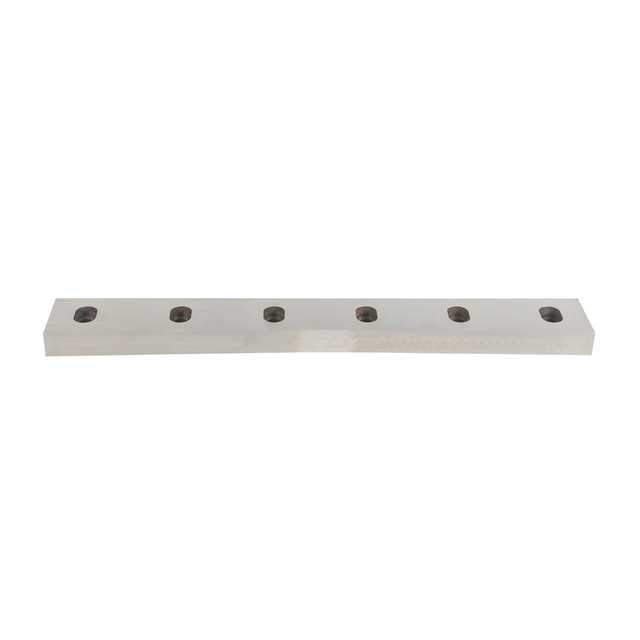
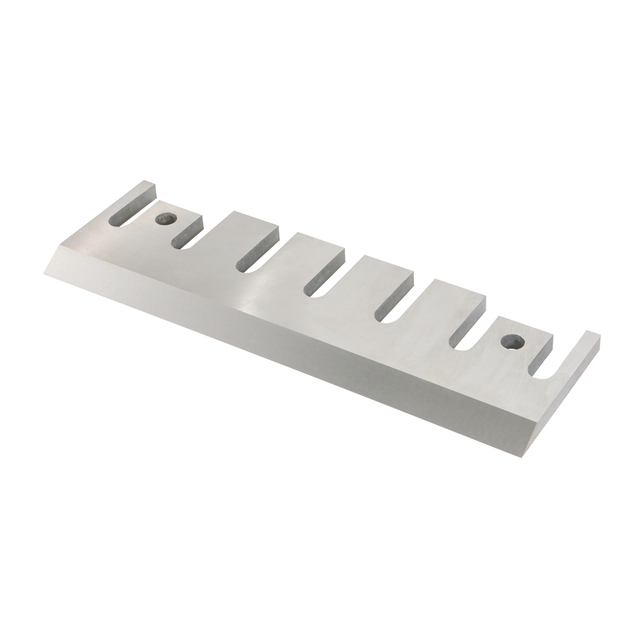
Heavy Duty TMR Mixer Knife for Agricultural Machinery
You are here: Home » Products » TMR Mixer Blade » TMR Mixer Blade » Heavy Duty TMR Mixer Knife for Agricultural Machinery

Related Products

Heavy Duty TMR Mixer Knife for Agricultural Machinery

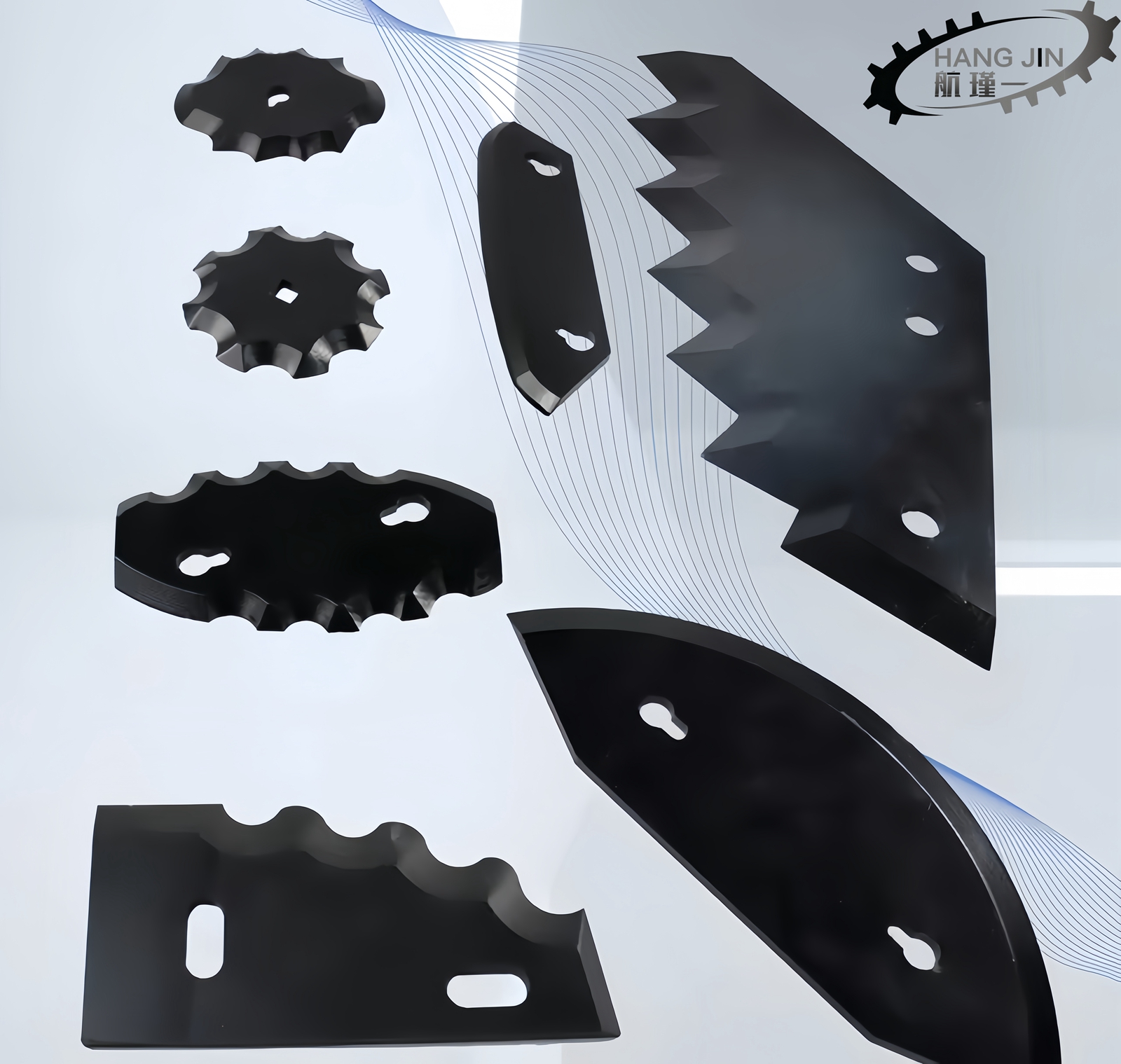
The TMR Mixer Blade is a high-performance component designed for Total Mixed Ration (TMR) mixers, ensuring efficient and uniform blending of feed ingredients for livestock. Crafted from wear-resistant alloys, these blades are built to withstand heavy-duty operations, reducing downtime and maintenance costs. Their unique spatial design optimizes mixing efficiency, ensuring consistent feed quality and improved animal nutrition.

Ideal for agricultural and farming applications, the TMR Mixer Blade is compatible with various mixer models and can handle a wide range of materials, from silage to grains. Its robust construction and precision engineering make it a reliable choice for farmers seeking to enhance productivity and operational efficiency.
Choose the TMR Mixer Blade for superior performance, durability, and cost-effectiveness in feed mixing operations.
Availability:
Quantity:
facebook sharing button
twitter sharing button
line sharing button
wechat sharing button
linkedin sharing button
pinterest sharing button
whatsapp sharing button
kakao sharing button
snapchat sharing button
telegram sharing button
sharethis sharing button

The Heavy Duty TMR Mixer Knife is engineered to deliver reliable and consistent performance for modern agricultural machinery. Designed specifically for demanding Total Mixed Ration (TMR) mixing operations, these specialized blades provide a critical advantage in achieving optimal feed quality while actively minimizing daily operational costs. By focusing on structural integrity and cutting efficiency, this product serves as a highly dependable component for large-scale farming and feed preparation facilities.

High-Strength Materials for Extended Durability

Manufactured from premium wear-resistant materials, such as hardened steel and specialized alloys, these mixer blades are built to withstand the rigorous, high-friction environment of agricultural feed processing. The exceptional hardness of the materials significantly reduces the rate of abrasion when processing tough fibers and abrasive mineral additives. For procurement teams and farm operators, this enhanced durability translates directly to a lower replacement frequency, minimized equipment downtime, and a highly favorable return on investment over the machinery's lifecycle.

Precision-Engineered Geometry for Optimal Mixing

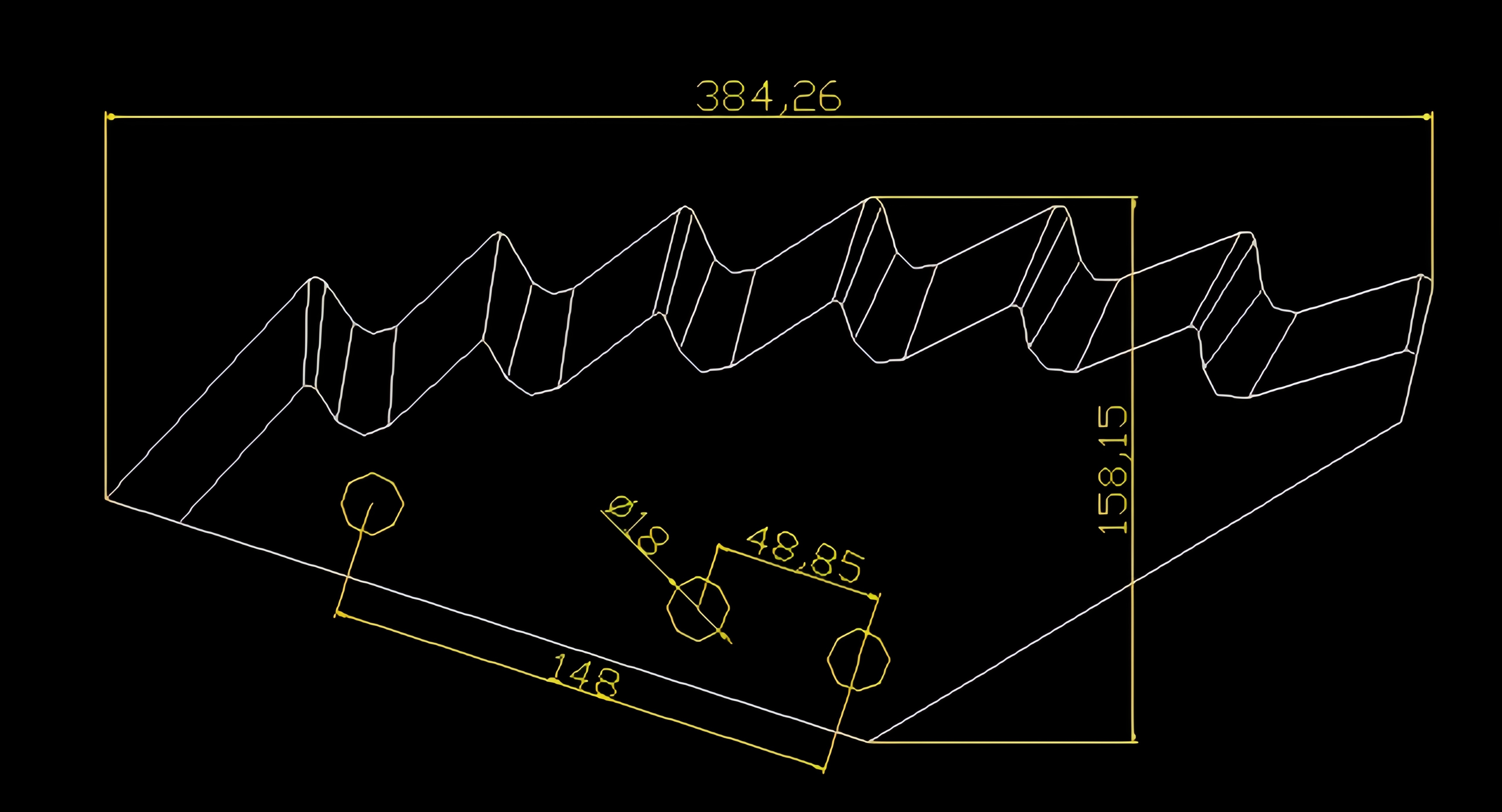
The physical design of the TMR mixer blade is crucial for efficient and uniform feed preparation. Featuring precision-engineered blade geometry, the knife ensures an aggressive yet highly controlled cutting action. This specialized shape facilitates the rapid breakdown of long-stemmed roughage and ensures a homogenous blend of all feed ingredients. A consistent mix is essential for maintaining livestock nutrition, preventing selective feed sorting, and ultimately improving digestion. Furthermore, the optimized cutting angle reduces mechanical resistance during the rotation of the auger.

图纸参考

Versatile Feed Processing Capabilities

One of the most significant advantages of this heavy-duty knife is its proven ability to handle a diverse range of feed materials without compromising mixing efficiency. Whether processing dense wet silage, dry baled hay, coarse grains, or essential mineral supplements, the blade maintains a sharp cutting edge and consistent performance. This versatility ensures that agricultural facilities can rely on a single, robust blade design for various ration formulations, simplifying parts inventory management and reducing the risk of selecting the wrong component for specific feed types.

Energy Efficiency and Reduced Equipment Wear

Energy efficiency in agricultural machinery directly impacts overall operational profitability. The streamlined profile of the TMR Mixer Blade is specifically developed to minimize power consumption during the intensive mixing cycle. By cutting through dense, heavy feed materials with less friction, it allows the mixer's motor, drive system, and gearbox to operate under significantly reduced strain. This not only maximizes mixing speed and saves fuel or electricity but also reduces the overall wear and tear on the mixer wagon itself, thereby extending the operational lifespan of the entire feeding equipment system.

Broad Compatibility and Easy Installation

Designed with standard mounting specifications, these heavy-duty blades offer broad compatibility with a wide range of popular TMR mixer models currently utilized in the market. The standardized bolt hole patterns and carefully calibrated dimensions ensure a straightforward installation process. Maintenance personnel can quickly replace worn blades without the need for specialized modifications or complex tools, ensuring that the machinery is back in operation swiftly. With its superior durability, efficiency, and seamless compatibility, the TMR Mixer Blade stands out as the ideal solution for achieving consistent, high-quality feed mixes that enhance both livestock productivity and farm profitability.

产品展示

Selecting the appropriate steel grade is a critical step in ensuring the durability, impact resistance, and cutting efficiency of heavy-duty TMR (Total Mixed Ration) mixer knives. To facilitate accurate material specification for international procurement, we provide a comprehensive cross-reference table of industrial blade materials below.

This technical parameter table details the standard equivalents across major global systems, including China (GB/T), Europe (DIN/BS/NF), America (AISI), Japan (JIS), and ISO standards. By cross-referencing these grades, purchasing managers and technical engineers can precisely verify the required materials—ranging from tough Alloy Tool Steels to highly wear-resistant High Speed Tool Steels—to ensure seamless compatibility with specific agricultural machinery requirements.

Industrial Blades Material Steel Grade Table
Categories China(GB/T YB) Euro(DIN/BS/NF) American(AISI) Japan(JIS) ISO
Alloy 9CrSi ― ― ― ―

6CrW2Si ― ― ― 50WCrV8
Tool Cr12Mo1V1 1.2379 D2 SKD 11 X153CrMoV12

Cr12MoV ― ― ― ―
Steel 4Cr5MoVSi 1.2343 H11 SKD6 X37CrMoV5-1

4Cr5W2VSi 1.2606 H12 SKD62 ―

4Cr5MoV1Si 1.2344 H13 SKD 61 X35CrMoV5-1
High W18Cr4V 1.3355 T1 SKH2 HS18-0-1
Speed W6Mo5Cr4V2 1.3341/1.3343 M2 SKH51 HS6-5-2
Tool W6Mo5Cr4V3 1.3344 M3 SKH53 HS6-5-3
Steel W6Mo5Cr4V2Co5 1.3243/1.3245 M35 SKH55 HS6-5-2-5

The specific material grade selected directly influences the operational lifespan and edge retention of the mixer knife when processing various agricultural feed types. Please refer to these technical parameters to evaluate which steel grade aligns with your equipment's structural design and the abrasive nature of the feed materials handled daily.

The Heavy Duty TMR Mixer Knife is a fundamental component in agricultural feed preparation, specifically engineered to optimize the performance of Total Mixed Ration (TMR) mixers. Its primary application lies in transforming diverse raw ingredients—including silage, grains, essential minerals, and vitamins—into a highly uniform and easily digestible blend. By preventing livestock from sorting and selecting specific ingredients, this uniform mixing process guarantees that animals consume a nutritionally balanced diet in every bite. For farm operators and purchasing managers, investing in reliable mixing components translates directly into improved feed efficiency, reduced nutritional imbalances, and optimized overall herd health.

Key Agricultural Applications and Scenarios

1. Dairy Farming Operations

In large-scale dairy farms, maintaining consistent feed quality is essential for sustaining high milk production levels. The mixer blade is extensively utilized to prepare daily rations that support optimal rumen function in dairy cows. By delivering a precise and homogenous mix, the blade helps maximize dry matter intake, which is a critical factor in enhancing milk yield and milk fat content. Consistent feed preparation also minimizes the risk of metabolic disorders within the herd, ensuring long-term productivity and profitability for dairy operations.

2. Beef Cattle and Commercial Feedlots

For feedlots and beef cattle operations, the primary goal is achieving efficient weight gain and favorable feed conversion ratios. The TMR mixer knife plays a vital role in these environments by ensuring that high-energy grains and roughage are thoroughly blended. This precise nutrient delivery system allows cattle to efficiently convert feed into body mass. By eliminating inconsistencies in the feed trough, farm managers can better predict growth rates, shorten the finishing period, and ultimately improve the economic returns of the feedlot.

3. Processing Tough Forage and Roughage

Modern agricultural machinery must frequently process challenging materials, and this mixer blade is widely applied in breaking down tough forage such as dry hay, long-stem straw, and dense baled silage. In these demanding scenarios, the blade efficiently cuts fibrous roughage into the optimal physical length required for proper animal digestion. This capability not only improves the nutritional availability of the forage but also significantly reduces feed waste left in the bunk, thereby lowering daily operational and feed costs.

4. Organic and Sustainable Farming Practices

Beyond traditional livestock management, the mixer knife is increasingly adopted in organic and sustainable farming systems. These specialized operations often rely on specific, higher-cost organic inputs and adhere to strict nutritional standards. The ability to achieve precise feed mixing is vital in these scenarios to ensure that valuable organic supplements are evenly distributed throughout the bulk forage. By maximizing the utilization of available resources and minimizing feed spoilage, the blade supports the core objectives of sustainable agricultural models.

Choosing the right TMR mixer blade ensures reliable, high-performance feed preparation that directly supports healthier livestock and more profitable farming operations across various agricultural sectors.

产品使用

Proper operation and routine maintenance of your Heavy Duty TMR Mixer Knife are essential for maximizing cutting efficiency, ensuring consistent feed quality, and extending the overall lifespan of your agricultural machinery. Following a structured operational guide helps reduce unexpected equipment downtime, lowers long-term replacement costs, and ensures your mixing system operates at peak performance.


  • Installation: Before initiating the installation process, verify that the TMR mixer is completely powered off and physically disconnected from the main power source to prevent accidental startups. Thoroughly clean the mounting area on the mixer's rotor to remove any debris, rust, or old feed residue. Carefully align the feed mixer blade with the designated mounting points on the rotor. Securely fasten the knife using the provided heavy-duty bolts. It is crucial to double-check the tightening torque to ensure the blade remains firmly in place, preventing dangerous loosening, misalignment, or excessive vibration during high-intensity operation.

  • Operation: Always start the agricultural feed mixer at a low rotational speed. This allows the heavy-duty knife to settle into its operational rhythm and reduces the initial mechanical shock on the drive system and the blade itself. Gradually increase the rotation to the equipment's recommended mixing speed. Strictly avoid overloading the mixing chamber with excessive volumes of feed materials. Overloading not only strains the TMR mixer knife, leading to premature wear and potential deformation, but also significantly reduces the overall blending efficiency of the ration, forcing the machinery to work harder than necessary.

  • Material Handling: The TMR mixer blade is engineered to process a diverse range of agricultural feed ingredients, including tough silage, dry hay, fibrous grains, and essential mineral supplements. For optimal cutting and blending results, introduce materials into the mixer in a strategic, evenly layered manner. Proper material distribution minimizes sudden impact forces on the cutting edge and ensures a consistent, homogenous nutritional blend for your livestock without overworking the cutting components.

  • Maintenance: Implement a routine inspection schedule to check the mixer knife for early signs of dullness, uneven wear, or structural damage. A sharp blade requires less mechanical power and delivers a cleaner cut, which is vital for proper feed digestion. Sharpen or replace the blade proactively when cutting efficiency drops to maintain optimal mixing performance and reduce fuel or electricity consumption. After each feeding cycle, thoroughly clean the blade and the interior of the mixer. Removing acidic feed residues and moisture prevents material buildup and protects the metal from accelerated corrosion.

  • Safety: Strict adherence to safety protocols is non-negotiable when operating or servicing heavy agricultural machinery. Always utilize proper lockout/tagout procedures before performing any maintenance or blade replacement. Keep hands, loose clothing, and maintenance tools completely clear of all moving components. Ensure that all factory-installed safety guards, protective shields, and covers are securely fastened in their proper positions before engaging the mixer's power.


By strictly adhering to this comprehensive operation and maintenance guide, agricultural operators can significantly maximize the operational efficiency and service life of the Heavy Duty TMR Mixer Knife. Proper care ensures reliable daily performance, reduces the risk of unexpected mechanical breakdowns, and guarantees the delivery of consistent, high-quality nutritional feed mixes for optimal livestock health and farm productivity.


Q: Are you a trading company or a manufacturer?

A: We are a direct factory specializing in tungsten carbide products. As a manufacturer, we manage the entire production process to ensure a stable and reliable supply for your agricultural machinery needs.


Q: Where is your factory located?

A: Our manufacturing facility is located in Nanjing. This location provides us with convenient logistics networks, facilitating efficient order fulfillment and global shipping.


Q: How long is your typical delivery time?

A: For standard types where we already have the mold, production takes approximately two weeks after receiving the advance payment. For non-standard or customized TMR mixer knives that require new molds, the lead time is typically 4 to 6 weeks upon receipt of the advance payment.


Q: Are your prices competitive for bulk purchasing?

A: Yes. UKO offers reliable products with highly competitive factory-direct pricing. By supplying directly from our manufacturing facility, we provide cost-effective procurement solutions without compromising on material performance.


Q: How do you ensure product quality and consistency?

A: We implement strict quality control procedures throughout the manufacturing cycle. Raw materials are thoroughly tested before bulk production begins. Before shipping, we carefully inspect the physical properties, shape, and dimensional tolerance of every batch to ensure you receive fully qualified products.


Previous: 
Next: 
Nanjing Hangjin Machinery Equipment Co., Ltd. is one professional manufacturer which provide various of blade and Knife, widely used at steel, agriculture, graziery, paper-making, package, forestry, lithium battery, cottonocracy, plastic, food etc.

QUICK LINK

PRODUCT CATEGORY

CONTACT US

Tel: +86-186-8927-7942
WhatsApp: +8618689277942
Skype: Kemp.yu
Add: No. 107 Changning Road, Tongjing Town, Jiangning District, Nanjing, Jiangsu, China
Copyright © 2025 Nanjing Hangjin Machinery Equipment Co., Ltd. All Rights Reserved. | Sitemap | Privacy Policy