| Availability: | |
|---|---|
| Quantity: | |
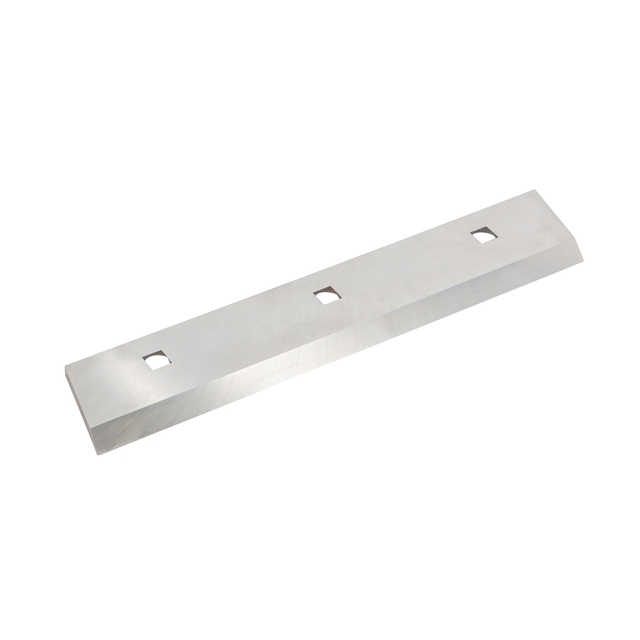
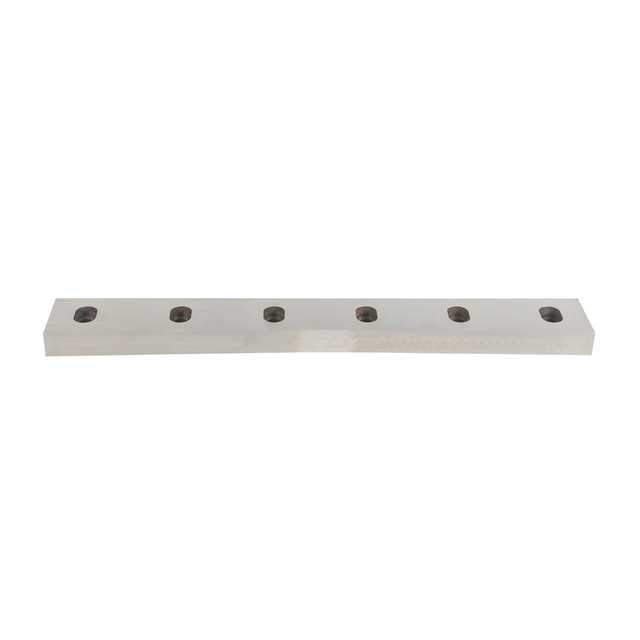
In industrial manufacturing, the reliability of shearing tools directly impacts production efficiency and operational costs. Our engineered guillotine blades provide a dependable solution that addresses common processing bottlenecks, delivering long-lasting durability and consistent precision in demanding applications. By focusing on material science and structural integrity, these blades offer significant value for procurement teams looking to optimize their tooling investments.
Crafted from carefully selected premium-grade materials—including high-carbon steel, alloy steel, and stainless steel—these blades are built to withstand rigorous daily operations. Each blade undergoes an advanced heat treatment cycle and specialized surface hardening processes. This systematic approach ensures exceptional structural integrity, significantly improving both hardness and wear resistance. As a result, facility managers can expect a longer operational lifespan and reliable performance even under high-stress shearing conditions, effectively reducing the frequency of tooling replacements and associated downtimes.
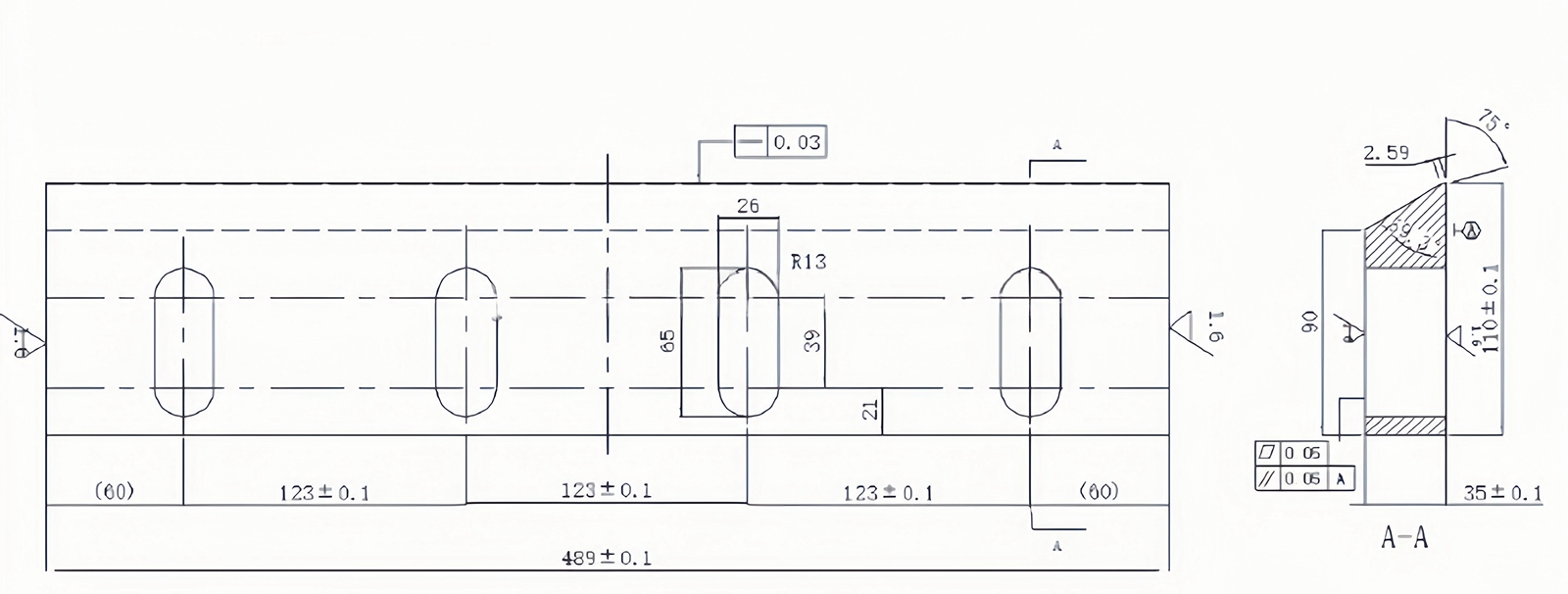
A primary technical advantage of these industrial guillotine blades lies in their optimized edge geometry. The blades are precision-ground to achieve a sharp profile that guarantees clean, burr-free cuts across various material types. This meticulous attention to edge sharpness directly translates to superior cutting performance, minimizing the need for secondary finishing or deburring operations. Whether processing heavy-duty metal sheets or handling other industrial materials, the high hardness and wear-resistant properties ensure the blade maintains its edge integrity over extended production runs.
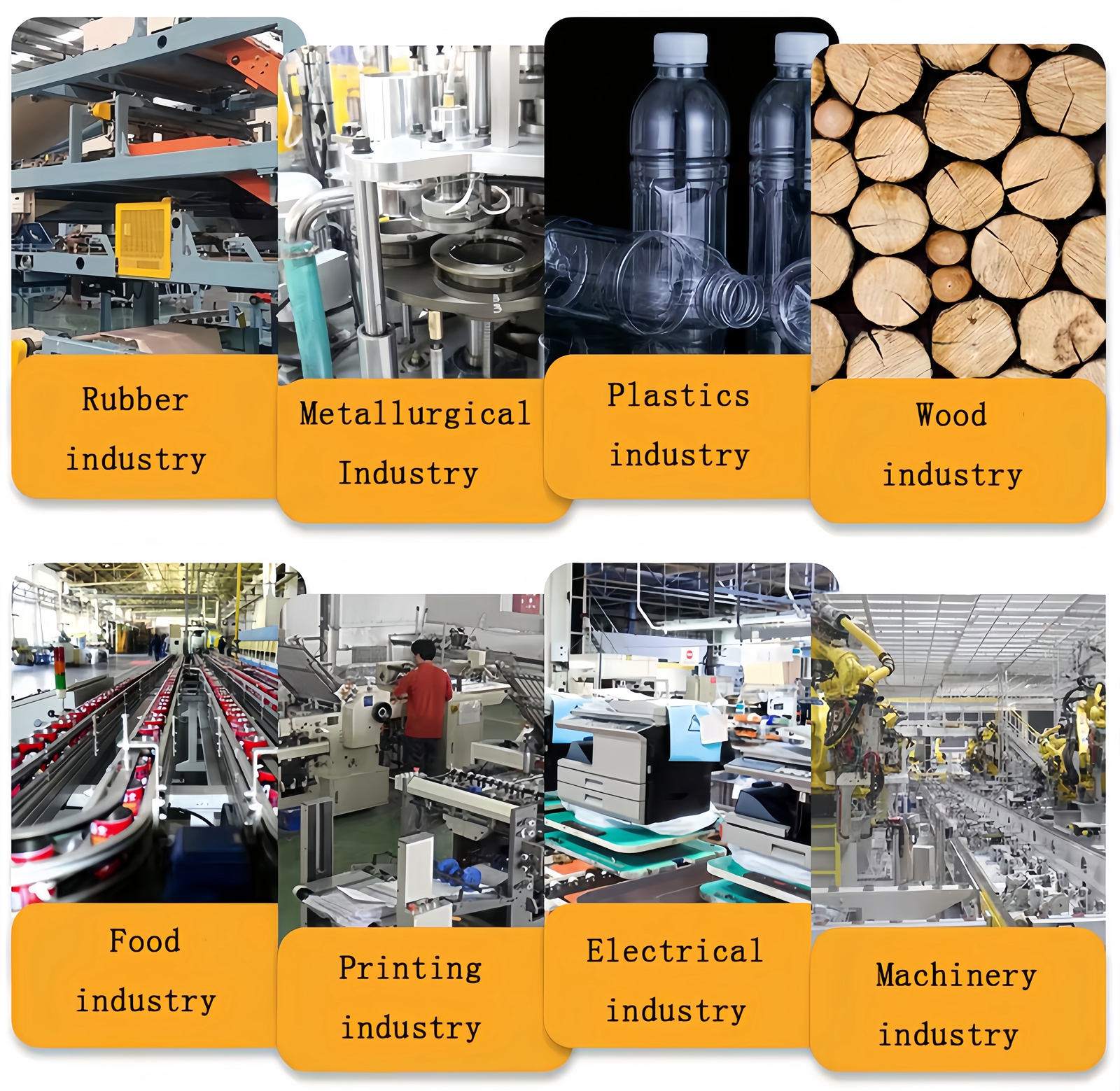
For manufacturing facilities utilizing diverse machinery, equipment compatibility is a crucial purchasing factor. These guillotine blades are designed for high adaptability across multiple cutting systems. They integrate smoothly into hydraulic shearing machines, pneumatic shears, and advanced CNC cutting equipment. This broad compatibility allows facility managers to standardize their blade procurement, reducing inventory complexity while ensuring reliable operation across different production lines. This versatility is particularly beneficial for large-scale operations or custom fabrication shops that require consistent tooling performance across a mixed fleet of machinery.

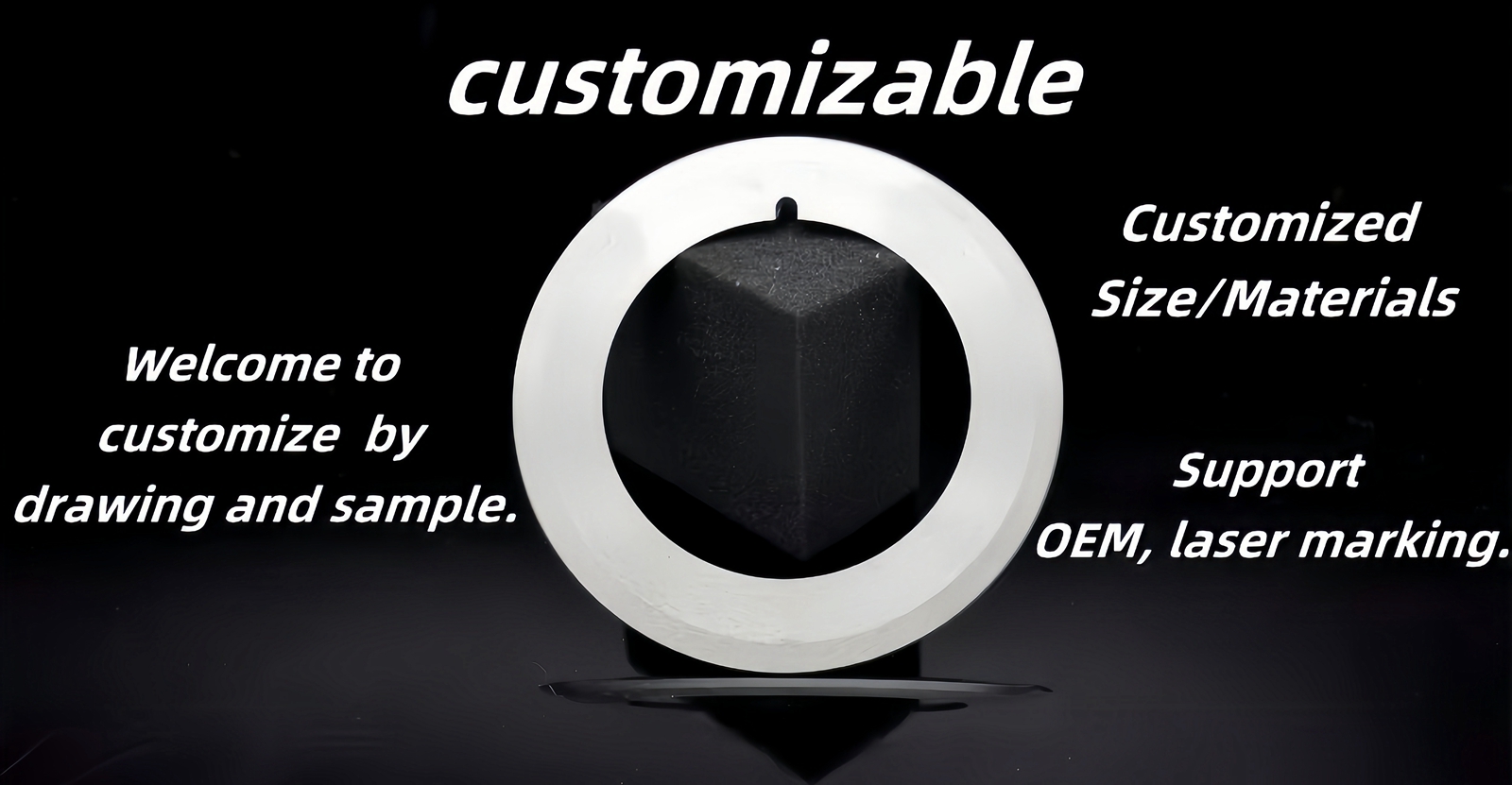
Investing in engineered guillotine blades delivers measurable economic benefits to your production floor. The precision cutting capability directly leads to reduced material waste, maximizing the yield from raw materials. Furthermore, the extended lifespan and wear resistance mean minimal maintenance requirements and fewer machine downtimes for blade swaps. By decreasing the frequency of replacements and minimizing material scrap, these blades effectively lower the total cost of ownership for shearing operations. To meet specific operational demands, we also support customizable sizes and configurations, allowing users to tailor the blade dimensions to their exact project requirements and ensuring a precise fit for specialized applications.
Selecting the right material is crucial for the performance, durability, and cutting precision of your guillotine blades. The following technical parameter table provides a comprehensive cross-reference of industrial blade material steel grades across major international standards, including China (GB/T YB), Europe (DIN/BS/NF), America (AISI), Japan (JIS), and ISO. This reference guide is designed to help technical personnel and procurement teams accurately identify and specify the exact steel grades—ranging from Alloy Steel and Tool Steel to High-Speed Steel (such as H13, D2, and SKD61)—required to match specific operational demands and equipment specifications.
| Industrial Blades Material Steel Grade Table | |||||
| Categories | China(GB/T YB) | Euro(DIN/BS/NF) | American(AISI) | Japan(JIS) | ISO |
| Alloy | 9CrSi | ― | ― | ― | ― |
| 6CrW2Si | ― | ― | ― | 50WCrV8 | |
| Tool | Cr12Mo1V1 | 1.2379 | D2 | SKD 11 | X153CrMoV12 |
| Cr12MoV | ― | ― | ― | ― | |
| Steel | 4Cr5MoVSi | 1.2343 | H11 | SKD6 | X37CrMoV5-1 |
| 4Cr5W2VSi | 1.2606 | H12 | SKD62 | ― | |
| 4Cr5MoV1Si | 1.2344 | H13 | SKD 61 | X35CrMoV5-1 | |
| High | W18Cr4V | 1.3355 | T1 | SKH2 | HS18-0-1 |
| Speed | W6Mo5Cr4V2 | 1.3341/1.3343 | M2 | SKH51 | HS6-5-2 |
| Tool | W6Mo5Cr4V3 | 1.3344 | M3 | SKH53 | HS6-5-3 |
| Steel | W6Mo5Cr4V2Co5 | 1.3243/1.3245 | M35 | SKH55 | HS6-5-2-5 |
Beyond standard material grades, we provide comprehensive customization services to meet specific industrial requirements. Whether your project demands specialized material compositions, unique blade profiles, or specific heat treatments for enhanced wear resistance, our engineering team is equipped to manufacture guillotine blades tailored to your exact operational specifications.

Our precision shearing and slitting tools are engineered to meet the rigorous demands of modern metal production and processing lines. The correct selection of blade material and dimensional accuracy directly impacts processing efficiency, edge quality, and overall production costs. We provide tailored cutting solutions designed for specific industrial applications, ensuring stable operation across various metalworking environments.
Slitting tools are primarily utilized in metal slitting production and processing lines, where they play a critical role in determining the final quality of the slit coils. To meet diverse operational requirements, the raw materials for these blades are selected from premium high-speed cutting tool steels and alloy steels, including SKD11, SLD, SKH51, H12, H13, and DC53. These materials undergo precision machining to deliver exceptional wear resistance and edge retention for long-term industrial use.
These slitting blades are especially suitable for high-speed cutting and slitting production involving a wide range of materials, such as cold and hot rolled steel sheets, pickling sheets, silicon steel sheets, stainless steel, and various steel strips. In these demanding applications, the slitting blade is arguably the most important component of the production process, as any deviation can lead to burrs, material waste, or costly machine downtime.
Consequently, the precision requirements for slitting knives are extraordinarily high. For the blade plane, we employ advanced precision grinders. After forging, mechanical processing, and heat treatment, the blades undergo a special grinding process. Through strict quality control protocols, we ensure that the parallelism of all finished products is strictly maintained within 0.003mm. This extreme level of parallelism guarantees smooth, clean cuts, minimizes friction during operation, and significantly extends the continuous working time of the slitting line.
In heavy-duty metal processing, shearing tools must withstand immense mechanical stress, impact, and extreme temperatures. Our cold and hot rolling shearing tools are specifically configured to handle these harsh industrial conditions, ensuring reliable performance in demanding environments.
For Hot Rolling Applications: We utilize specialized high-quality steels as cross-cutting tool materials. For instance, cross-cutting tools manufactured from heat-resistant nickel-base alloy steels provide outstanding thermal stability. These robust blades are designed to efficiently cut hot-rolled thick billets, heavy steel plates, ingot tails, steel bars, and round steels without losing their structural integrity or cutting edge under high-temperature operations.
For Cold and Hot Rolling Applications: We incorporate a variety of medium and high alloy tool steels, as well as heavy metallurgical steels, as the foundational materials for cross-cutting cutters. These blades are highly versatile and capable of shearing all kinds of cold-rolled sheets, medium and thick plates, wide and heavy plates, and various other steel plates with consistent accuracy.
Furthermore, these heavy-duty shearing tools are widely applied in secondary processing and recycling tasks. They perform exceptionally well in edge material crushing, hydraulic shear forming for all kinds of steel scrap, and flying shear cross-cutting operations. The optimized material composition ensures high impact toughness, preventing blade chipping and reducing the frequency of blade replacements in high-volume processing plants.

Proper operation and routine maintenance are essential for maximizing the lifespan, cutting precision, and overall reliability of your H13 material guillotine blade. By following a systematic usage guide, operators can ensure workplace safety, reduce unexpected machine downtime, and maintain consistent shearing performance. Below is a comprehensive guide covering installation, safe operation, and daily care.
Correct installation is the foundation of efficient cutting. Ensure the following steps are carefully executed before operating the machine:
Operating a shearing machine requires strict adherence to safety and operational guidelines to protect both the personnel and the tooling:
Regular and proactive maintenance is key to extending the blade’s lifespan and ensuring it remains in optimal condition for daily operations:
By strictly adhering to these operational steps and maintenance routines, facilities can maximize the efficiency, precision, and durability of their guillotine blades, ensuring consistent results while minimizing replacement costs. For further assistance, specific torque values, or advanced troubleshooting, always refer to your machine manufacturer’s manual or contact their dedicated support team.
Q: Are you a trading company or a manufacturer?
A: We are a direct manufacturer with our own factory specializing in industrial cutting tools and tungsten carbide products. This direct manufacturing capability allows us to tightly control the production process and ensure the reliability of our H13 material guillotine blades.
Q: Where is your factory located?
A: Our production facility is located in Nanjing. We are well-equipped to handle both standard and custom industrial blade manufacturing orders for clients worldwide.
Q: How long is your delivery time?
A: For standard guillotine blade types where we already have the mold, production takes approximately two weeks after receiving the advance payment. For non-standard or custom-sized blades that require new molds, the lead time is typically 4 to 6 weeks upon receipt of the advance payment.
Q: Is the price competitive?
A: Yes. As a direct factory, we eliminate middleman markups, allowing us to offer highly competitive pricing for reliable H13 guillotine blades without compromising on material integrity or cutting performance.
Q: How do you ensure the products are high quality?
A: We implement a strict quality assurance process. Raw materials are rigorously tested before bulk production begins. Prior to shipping, our inspection team carefully checks the physical properties, shape, and dimensional tolerance to ensure every blade meets qualified industrial standards for shearing applications.