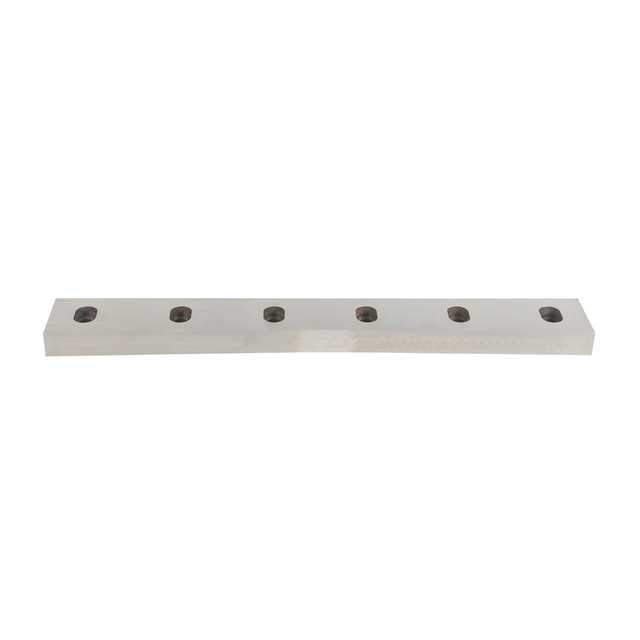
Rubber Slitting Blade for Tire Manufacturing and Recycling
You are here: Home » Products » Circular Blade » Tire Blade » Rubber Slitting Blade for Tire Manufacturing and Recycling

Product Category

Related Products

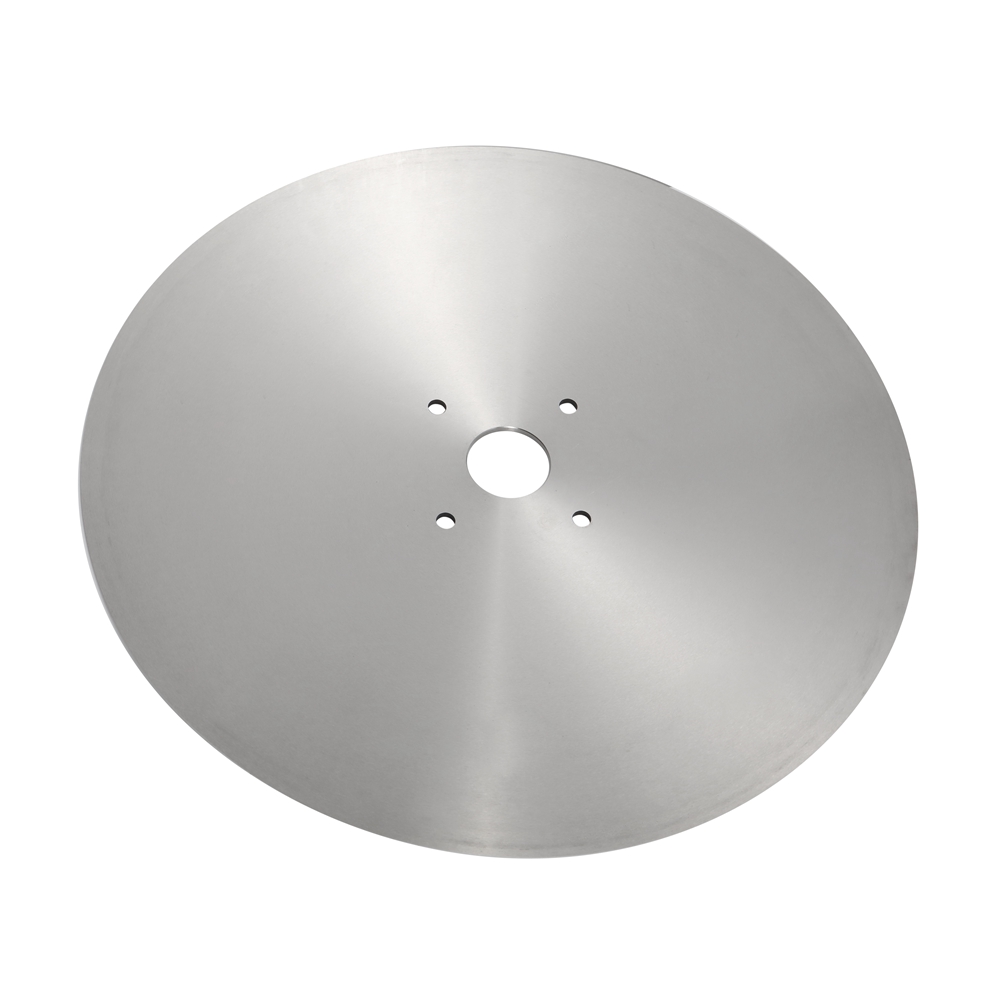
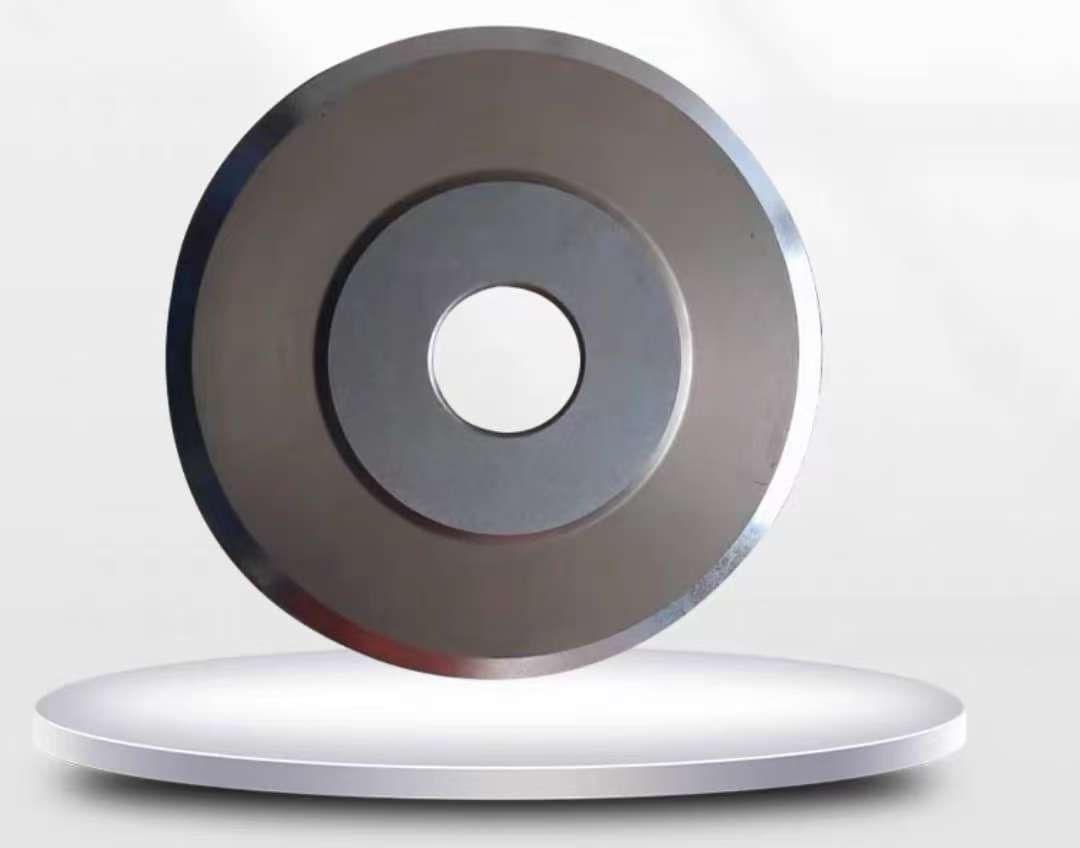
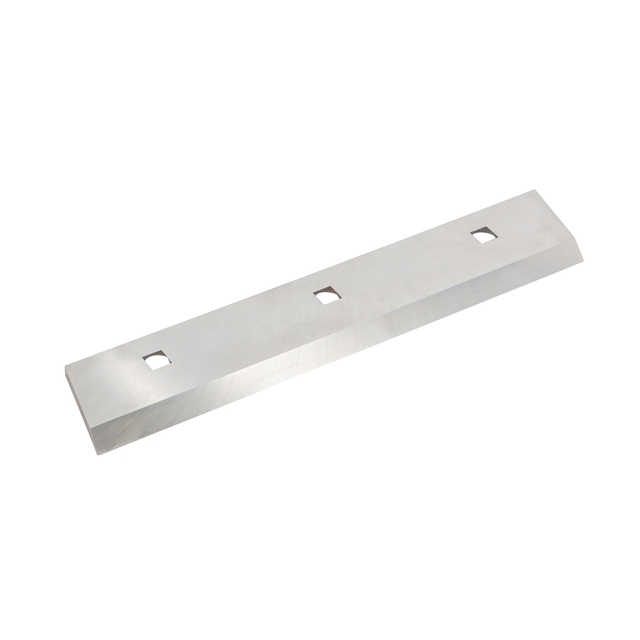
Rubber Slitting Blade for Tire Manufacturing and Recycling

The Tire Blade is a high-performance cutting tool designed for precision and durability in tire maintenance and repair. Made from premium materials to ensure clean and efficient cuts, it is ideal for professionals and enthusiasts alike. Its ergonomic design makes it easy to operate, while the sharp, long-lasting edge minimizes effort and maximizes productivity. Whether used for shaping or repairing tires, the Tire Blade delivers consistent results, even in demanding conditions. Compatible with a wide range of tire types, it is a must-have tool for automotive workshops and DIY projects. Enhance your tire maintenance experience with the Tire Blade - where quality meets functionality.
Availability:
Quantity:
facebook sharing button
twitter sharing button
line sharing button
wechat sharing button
linkedin sharing button
pinterest sharing button
whatsapp sharing button
kakao sharing button
snapchat sharing button
telegram sharing button
sharethis sharing button

Rubber Slitting Blade Banner

Core Design Innovations & Commercial Value

Engineered specifically for the rigorous demands of industrial rubber processing, this slitting blade combines advanced material science with structural innovation. For procurement professionals and facility managers, selecting the right cutting tool is critical to minimizing equipment downtime and maximizing production efficiency. Our blade is designed to deliver consistent sharpness, structural stability, and long-term reliability, directly contributing to a lower total cost of ownership in demanding manufacturing environments.

1. High-Carbon Steel Alloy & Corrosion Resistance for Ultimate Durability

The foundation of this rubber slitting blade is its specialized high-carbon steel alloy construction. This carefully selected material provides the necessary hardness and tensile strength to withstand the continuous mechanical stress inherent in tire processing. By resisting deformation and edge rolling, the blade maintains its structural integrity over extended operational periods. Furthermore, a highly effective corrosion-resistant coating is applied to the surface. This protective layer shields the metal from moisture, industrial lubricants, and chemical compounds frequently encountered in processing facilities, significantly extending the tool's lifespan and reducing the frequency of blade replacements.

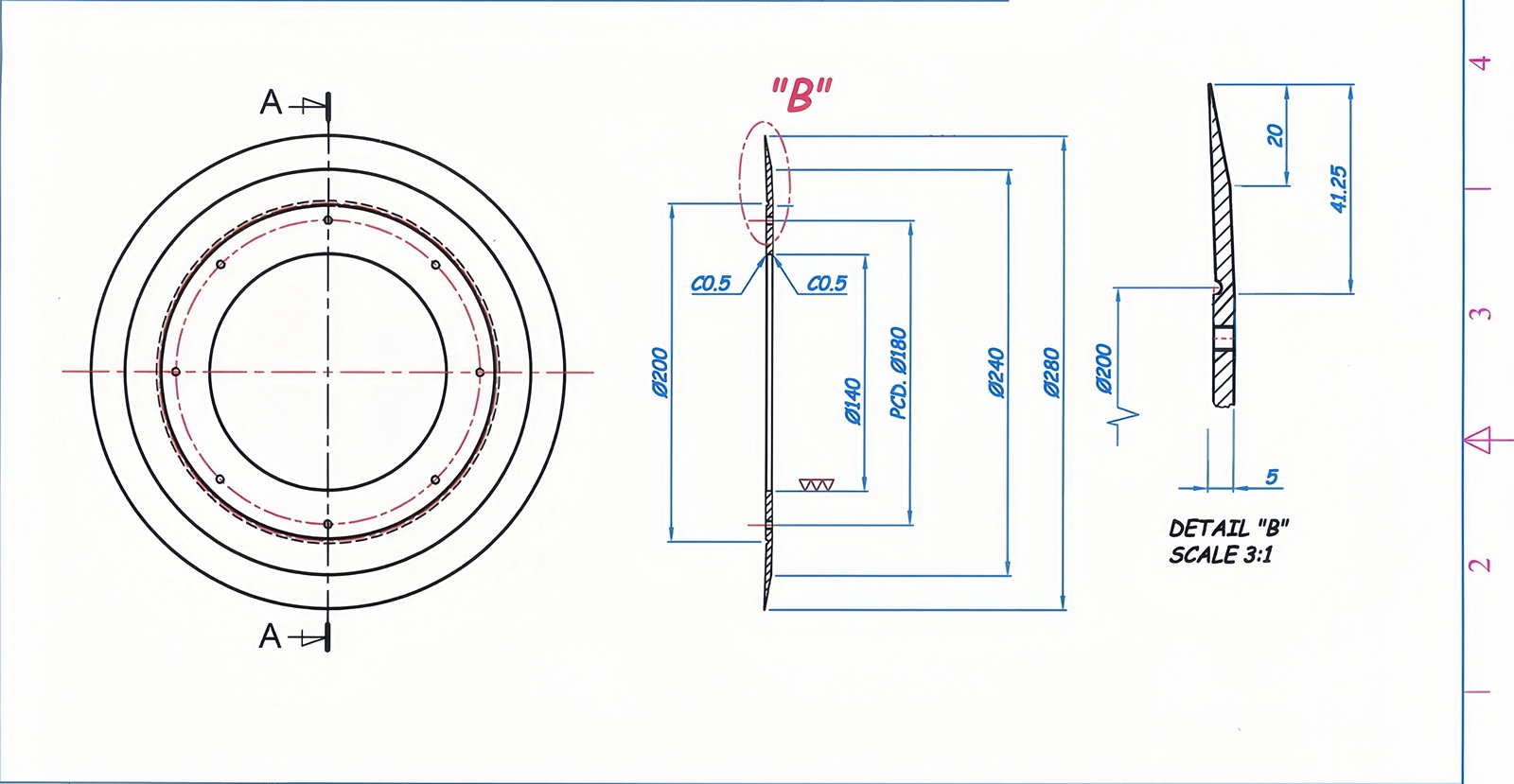
Blade Technical Drawing and Parameters

2. Laser-Honed Precision Edge & Ergonomic Control

Achieving clean, precise cuts is essential for minimizing material waste and ensuring the dimensional accuracy of processed rubber. This blade features a laser-honed edge that delivers consistent cutting performance. The refined edge geometry reduces friction during the slitting process, allowing for smoother operation and less thermal buildup. For tasks requiring manual intervention or specialized handling, the tool incorporates an ergonomic, non-slip handle design. This operator-focused approach enhances grip stability and control, effectively reducing hand fatigue during prolonged shifts and contributing to a safer, more efficient working environment.

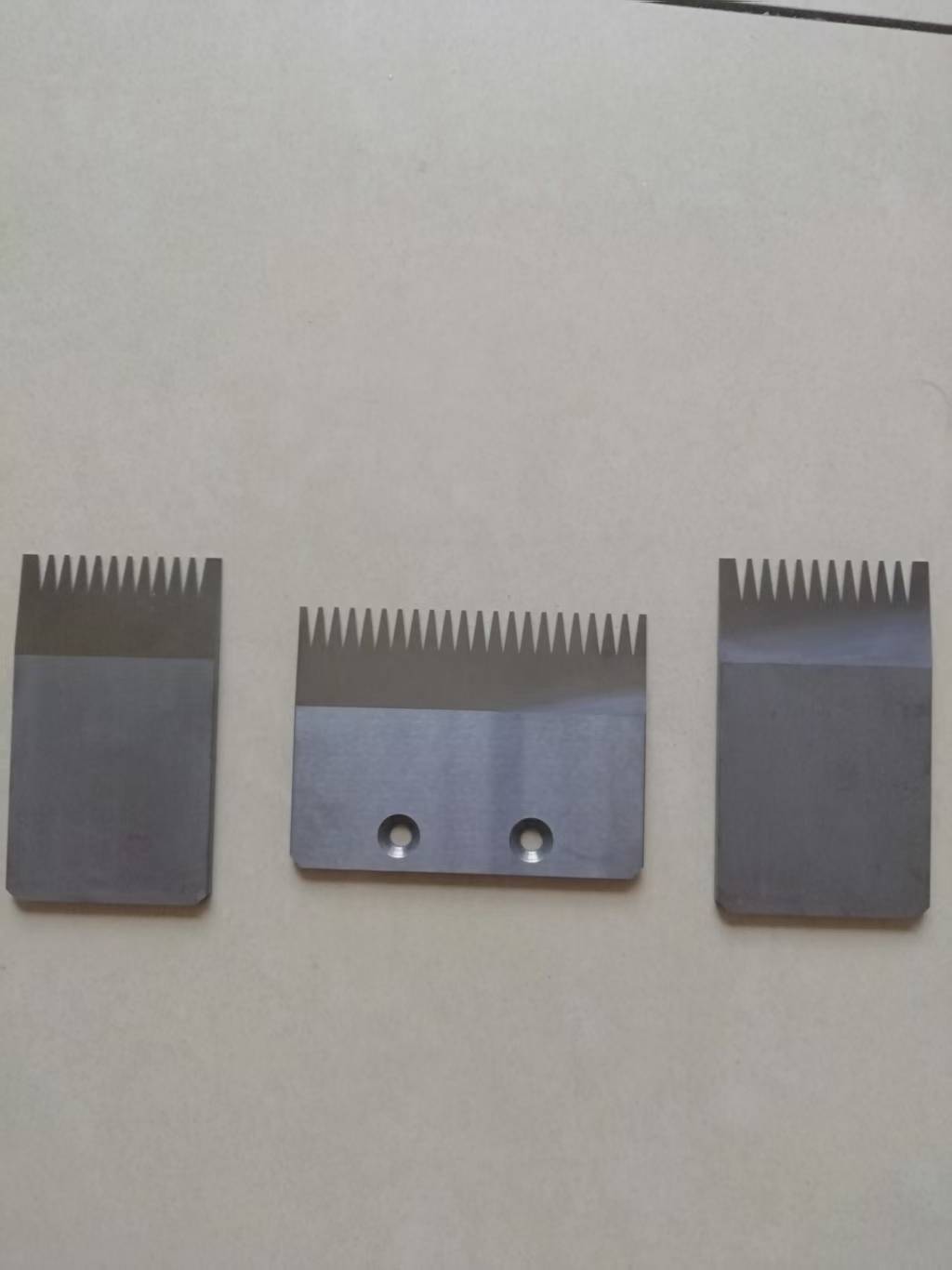
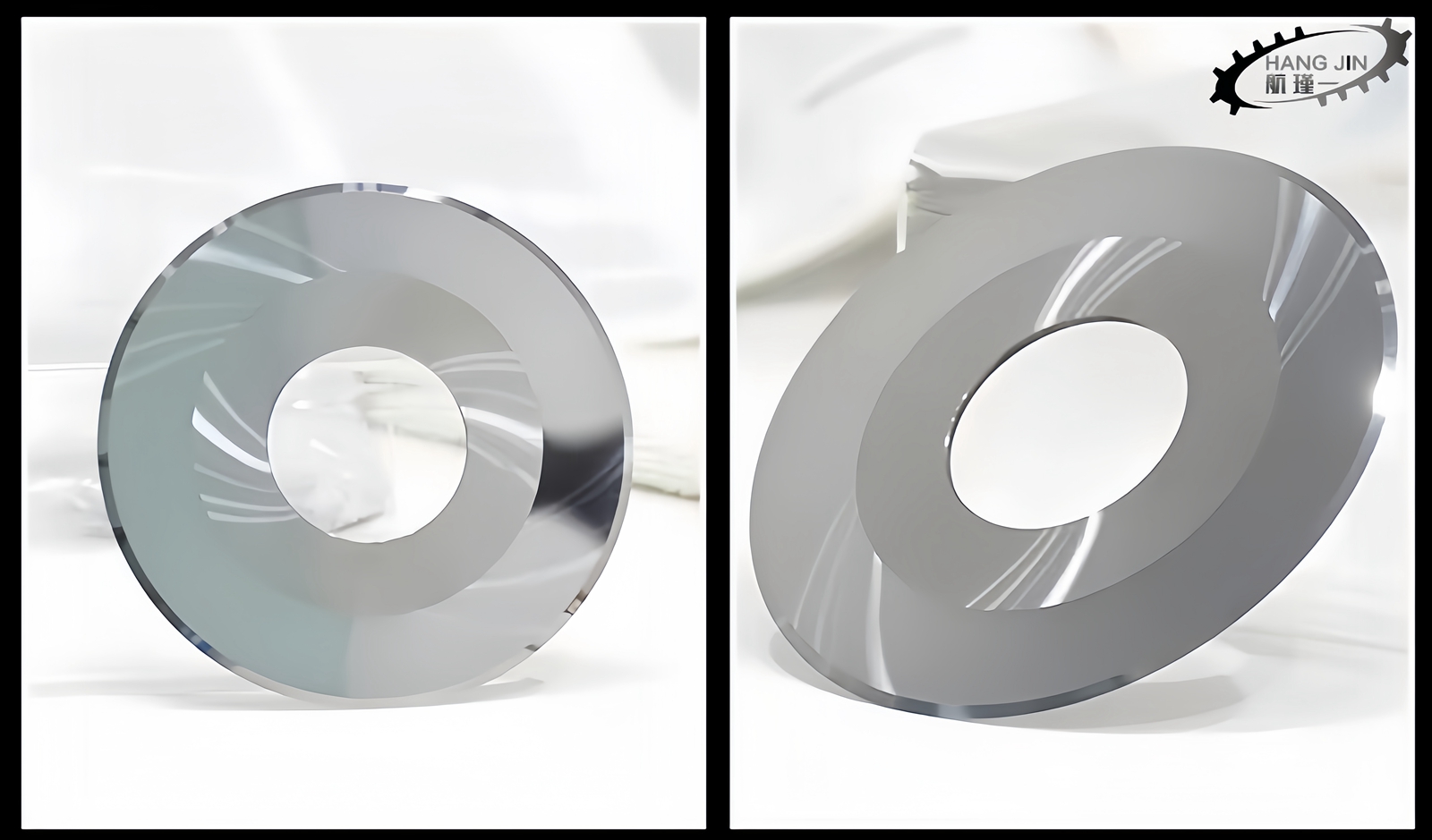
Rubber Slitting Blade Product Display

3. Industrial-Grade Multi-Layer Vibration Damping & Modular Structure

A significant technical advantage of this rubber slitting blade is its multi-layer vibration-damping design. Inspired by heavy-duty industrial shock absorption systems, this feature actively stabilizes the blade during high-impact or continuous cutting operations. By mitigating operational vibrations, the design ensures sustained cutting accuracy and minimizes micro-fractures along the blade edge. Additionally, the tool utilizes a modular structural framework. This intelligent design allows maintenance teams to quickly replace specific worn components rather than discarding the entire unit. This modularity not only accelerates maintenance routines and reduces equipment downtime but also provides a highly cost-effective solution for long-term inventory management.

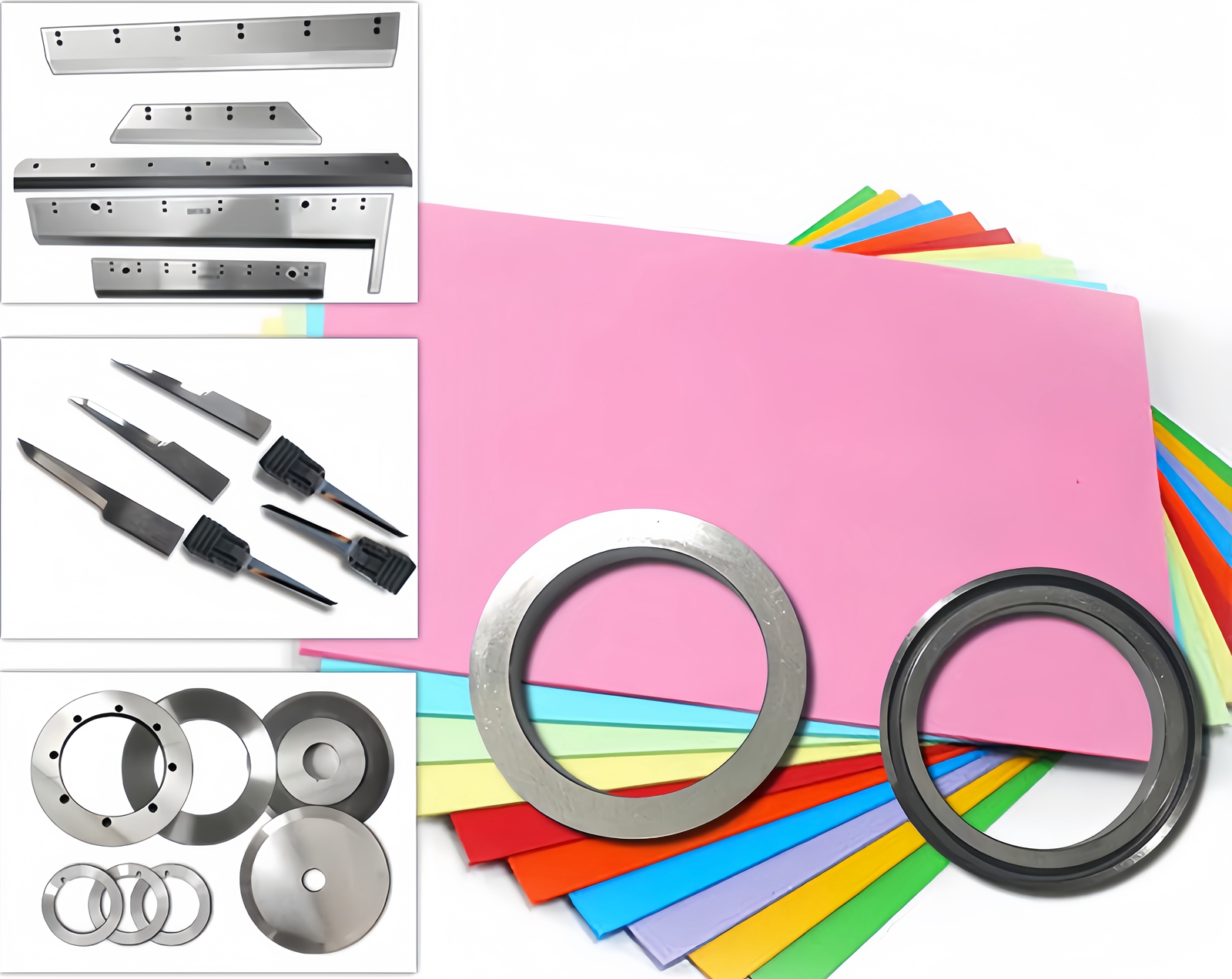
Product Display and Comparison

4. Eco-Friendly Manufacturing & 10-Year Warranty Commitment

Aligning with modern corporate sustainability goals, the production of this rubber slitting blade incorporates eco-friendly manufacturing processes. By utilizing carefully sourced recycled materials and implementing energy-efficient production techniques, the environmental footprint of the manufacturing cycle is significantly reduced. This commitment to sustainability does not compromise industrial performance. To provide procurement managers with absolute confidence and mitigate purchasing risks, the product is backed by a comprehensive 10-year warranty. This long-term commitment underscores the reliability of the blade, ensuring that your investment is protected and that the tool will consistently perform under demanding industrial conditions.

The technical parameters below detail the international steel grade cross-reference for the rubber slitting blade materials. This data assists procurement and engineering teams in verifying material equivalents across global standards (China, Europe, America, Japan, and ISO) to ensure precise material specification for tire manufacturing and recycling equipment.

Industrial Blades Materia Steel Grade Table
Categories China(GB/T YB) Euro(DIN/BS/NF) American(AISI) Japan(JIS) ISO
Alloy 9CrSi ― ― ― ―

6CrW2Si ― ― ― 50WCrV8
Tool Cr12Mo1V1 1.2379 D2 SKD 11 X153CrMoV12

Cr12MoV ― ― ― ―
Steel 4Cr5MoVSi 1.2343 H11 SKD6 X37CrMoV5-1

4Cr5W2VSi 1.2606 H12 SKD62 ―

4Cr5MoV1Si 1.2344 H13 SKD 61 X35CrMoV5-1
High W18Cr4V 1.3355 T1 SKH2 HS18-0-1
Speed W6Mo5Cr4V2 1.3341/1.3343 M2 SKH51 HS6-5-2
Tool W6Mo5Cr4V3 1.3344 M3 SKH53 HS6-5-3
Steel W6Mo5Cr4V2Co5 1.3243/1.3245 M35 SKH55 HS6-5-2-5

The Rubber Slitting Blade is engineered to meet the demanding requirements of diverse tire manufacturing, recycling, and maintenance environments. Designed for extensive industrial and commercial applications, this tool provides precise cutting capabilities across various rubber processing tasks. By addressing specific operational needs, it helps procurement teams and facility managers equip their workforce with reliable solutions for rubber modification and repair.

Diverse Industry Applications for Tire Blades

Automotive Repair Shops and Commercial Fleet Maintenance

In professional automotive repair facilities, the tire blade serves as a critical component for routine tire maintenance and complex repair scenarios. It is highly effective for trimming excess rubber, precisely shaping damaged tire edges, and preparing rubber surfaces for permanent patching. This level of precision ensures reliable repairs, which directly contributes to extended tire life and improved vehicle safety. For commercial fleet maintenance teams, managing downtime is a primary operational concern. Using this dedicated slitting blade allows technicians to quickly address wear and tear on heavy-duty commercial vehicle tires. By accelerating the repair process, fleet operators can significantly minimize vehicle downtime, thereby improving overall operational efficiency and reducing long-term replacement costs.

Agricultural Machinery and Off-Road Tire Customization

Agricultural environments present unique challenges that require heavy-duty tools capable of handling demanding tasks. The rubber slitting blade is specifically suited for cutting, reshaping, and modifying large tractor and agricultural machinery tires. Whether operating in a specialized workshop or directly in challenging outdoor farm conditions, the blade provides the necessary cutting force to manage thick, reinforced agricultural rubber. Furthermore, off-road vehicle enthusiasts and customization shops rely heavily on these blades for modifying all-terrain tires. The ability to precisely cut and groove rubber ensures optimal traction and performance on uneven, demanding terrains, making it an essential tool for specialized tire modification projects.

Industrial Manufacturing and Conveyor Belt Maintenance

Beyond traditional tire applications, this slitting blade is highly valued in broader industrial settings. Manufacturing facilities frequently utilize the blade for processing various rubber components during production cycles. A notable application is the maintenance and repair of industrial conveyor belts. When conveyor systems experience edge fraying or require splicing, the blade offers the clean, precise cuts necessary for effective vulcanization and repair. This versatility allows procurement managers to consolidate their tooling requirements, utilizing a single, reliable blade design for multiple rubber-cutting applications across the factory floor.

Emergency Roadside Repairs and Portability

For mobile mechanics and emergency repair services, tool portability and immediate effectiveness are crucial. The tire blade is designed to be easily transported and deployed for emergency roadside repairs. When commercial trucks or passenger vehicles experience unexpected punctures or sidewall damage, technicians can utilize the blade to quickly trim damaged areas and prepare the tire for temporary or permanent fixes. This rapid response capability is vital for roadside assistance providers aiming to restore vehicle mobility safely and efficiently.

Broad Compatibility Across Tire Types

A key factor for procurement selection is the tool's adaptability to different materials. This rubber slitting blade maintains strict compatibility with all major tire classifications. It effectively processes radial tires commonly used in passenger vehicles, bias-ply tires utilized in heavy commercial and agricultural equipment, as well as various specialty tires designed for specific industrial machinery. This broad compatibility ensures that whether deployed in a professional recycling plant, a farm maintenance shed, or a commercial vehicle workshop, the blade delivers consistent, reliable performance for complex tire maintenance challenges.


产品综合应用


Proper operation and routine maintenance of the rubber slitting blade are essential to ensure optimal cutting performance, maintain workplace safety, and extend the overall service life of the tool. Designed for ease of use in demanding industrial environments, this specialized blade delivers efficient and precise results for tire processing when handled correctly. Following a standardized operating procedure helps operators achieve smooth cuts, minimize physical fatigue, and reduce equipment downtime. Please follow this comprehensive guide to maximize the performance, safety, and longevity of your cutting tools.


  • Preparation and Inspection: Before initiating any cutting task, thoroughly inspect the rubber slitting blade for any signs of damage, micro-chipping, or abnormal wear. A compromised edge can lead to inefficient processing and potential safety risks. Ensure that the tire surface is completely clean and free of embedded debris, such as small stones or metal fragments. Removing these contaminants is crucial to achieve smooth, uninterrupted cuts and to prevent premature damage to the blade.

  • Safety First: Industrial rubber cutting requires strict adherence to safety protocols. Always wear appropriate personal protective equipment, including heavy-duty cut-resistant gloves and safety glasses, to prevent injuries during operation. Maintaining a secure grip and a clear workspace further enhances operational safety when handling sharp slitting tools.

  • Proper Positioning: Securely hold the tire blade by its ergonomic, non-slip handle, which is engineered to provide maximum control. Position the blade at a 45-degree angle to the tire surface for optimal cutting efficiency. This specific 45-degree orientation minimizes friction, reduces cutting resistance, and allows the blade to slice through dense rubber materials smoothly without requiring excessive manual exertion.

  • Cutting Technique: Apply steady, even pressure while guiding the blade along the desired cutting path. Avoid using erratic movements or excessive force, as forcing the blade can lead to deflection, uneven cuts, or potential tool damage. Allowing the sharpness of the blade to do the work ensures clean, precise cuts and maintains the structural integrity of the processed rubber.

  • Routine Maintenance: Proper post-use care is vital for preserving the cutting edge. After each use, meticulously clean the blade using a soft cloth and a mild detergent to remove any sticky rubber residue, oils, or industrial grime. Avoid harsh chemicals that could degrade the blade's finish. Regular cleaning prevents material buildup that can negatively impact future cutting accuracy. Routinely check for sharpness and replace the blade promptly if performance drops.

  • Storage Recommendations: When not in active use, store the tire blade in a dry, cool place. Proper storage prevents exposure to moisture and corrosive elements, effectively preventing rust formation. Keeping the tool in a dedicated protective case or rack will safeguard the edge from accidental impacts and maintain its longevity.


For advanced applications, such as shaping or trimming specialty tires with unique tread patterns, operators should adjust the cutting angle and applied pressure based on the tire’s specific thickness and rubber compound. Adapting these variables ensures optimal processing across different tire profiles. Additionally, the blade’s modular design allows for the quick and hassle-free replacement of worn components. This practical design feature significantly reduces maintenance downtime, lowers long-term operational costs, and ensures consistent, precise cutting performance over extended periods of use.


Q: Are you a trading company or a direct manufacturer?

A: We are a direct manufacturer specializing in tungsten carbide products, including industrial rubber slitting blades. By managing the entire production process in-house, we ensure consistent supply capabilities and direct technical communication for our purchasing partners.


Q: Where is your manufacturing facility located?

A: Our factory is located in NanJing. This strategic location supports efficient logistics and supply chain management, allowing us to process and dispatch orders promptly to meet your procurement schedules.


Q: What is the estimated delivery time for standard and custom orders?

A: Delivery times depend on your specific project requirements. For standard types where we already have the mold, production typically takes two weeks after receiving the advance payment. For non-standard or custom specifications requiring new molds, the lead time is generally 4 to 6 weeks upon receipt of the advance payment.


Q: How do you maintain a competitive pricing structure?

A: As a direct manufacturer, UKO eliminates middleman markups to offer reliable products at a competitive price. We focus on optimizing our manufacturing efficiency and raw material sourcing to provide cost-effective tooling solutions for your long-term procurement needs.


Q: What quality control processes are in place before shipping?

A: We implement a strict quality control process. Raw materials are rigorously tested before bulk production begins. Prior to shipping, our inspection team verifies the physical properties, shape, and dimensional tolerance of every batch to ensure you receive qualified products that meet your industrial manufacturing standards.


Previous: 
Next: 
Nanjing Hangjin Machinery Equipment Co., Ltd. is one professional manufacturer which provide various of blade and Knife, widely used at steel, agriculture, graziery, paper-making, package, forestry, lithium battery, cottonocracy, plastic, food etc.

QUICK LINK

PRODUCT CATEGORY

CONTACT US

Tel: +86-186-8927-7942
WhatsApp: +8618689277942
Skype: Kemp.yu
Add: No. 107 Changning Road, Tongjing Town, Jiangning District, Nanjing, Jiangsu, China
Copyright © 2025 Nanjing Hangjin Machinery Equipment Co., Ltd. All Rights Reserved. | Sitemap | Privacy Policy