Tungsten Carbide Circular Blade for Precision Slitting
You are here: Home » Products » Circular Blade » Paper Circular Blade » Tungsten Carbide Circular Blade for Precision Slitting

Related Products

Tungsten Carbide Circular Blade for Precision Slitting

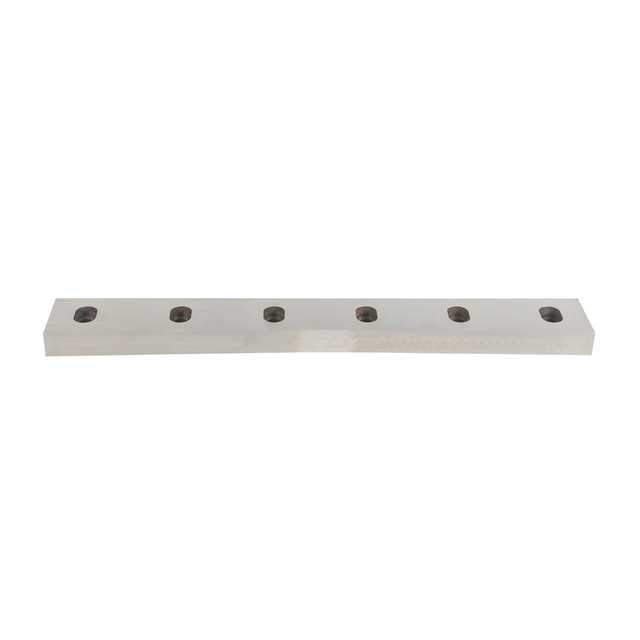
1. Upper and lower slitting knives for paper processing industry
, we support the paper processing industry with efficient blades and knives
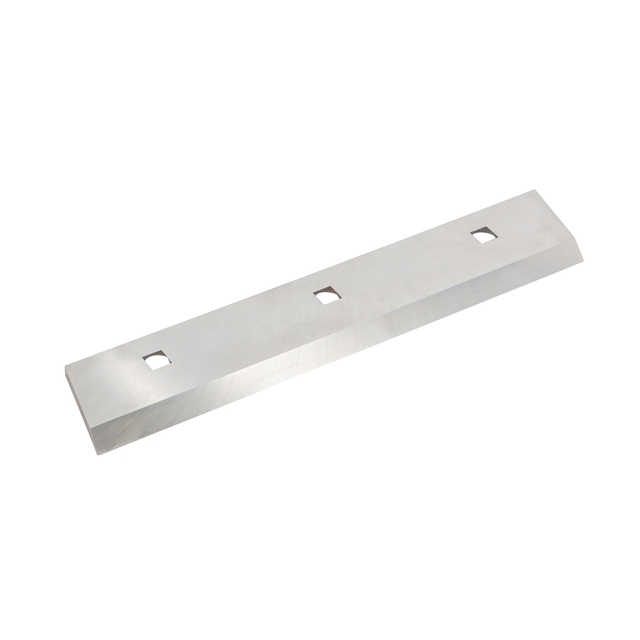
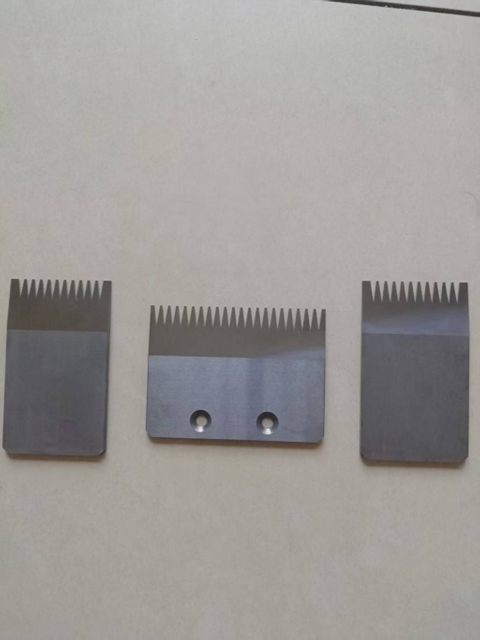
, including but not limited to: upper and lower slitting knives, multi-groove knives, circular disc knives, cross-cutting knives, cutting knives
2. Knives and accessories for household paper processing industry (customizable according to drawings)
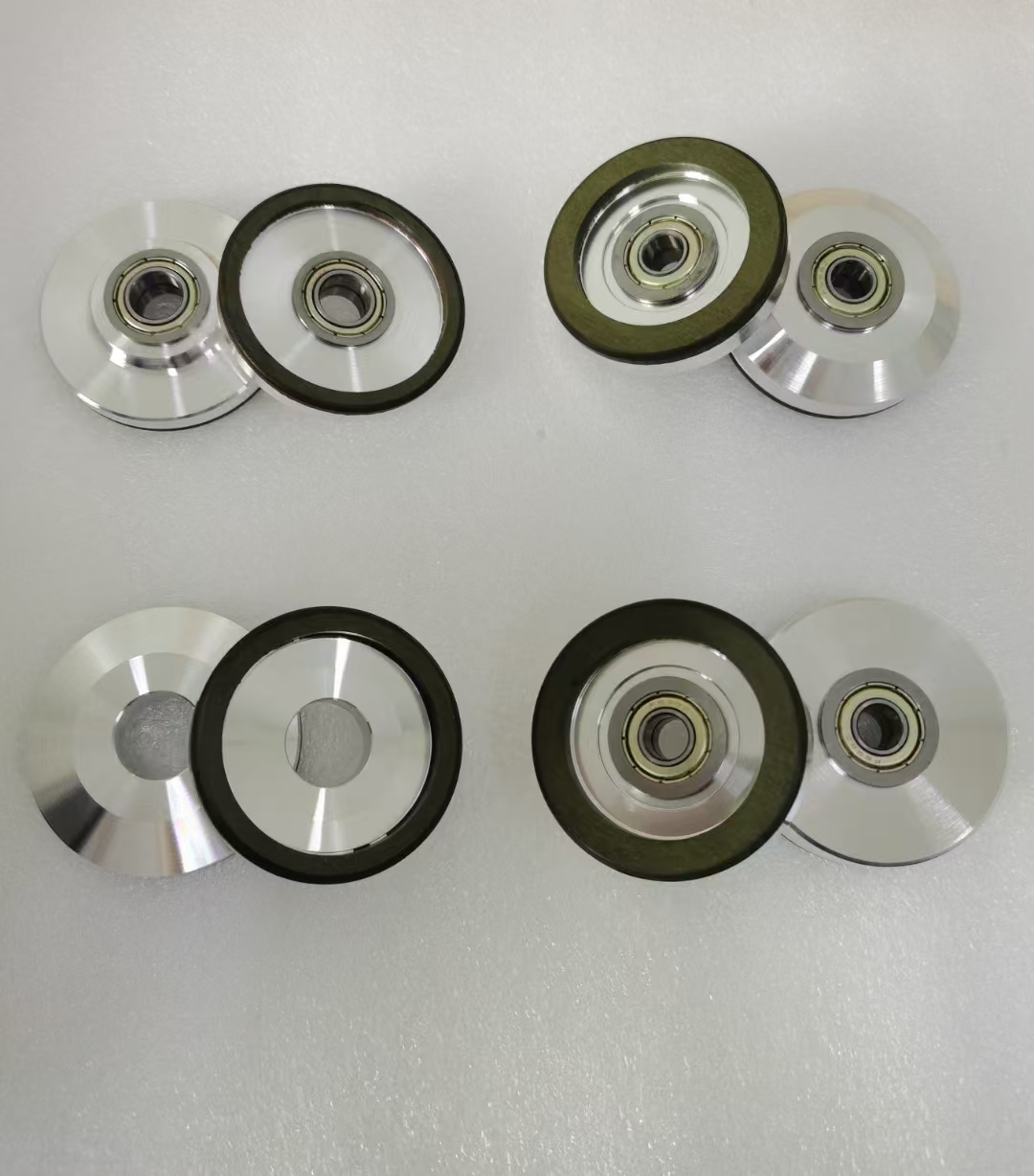
Including but not limited to: upper and lower slitting knives, log saw blades, CBN grinding wheels, punching and anvil knives, handkerchief knives, packaging knives, napkin knives, cross-cutting knives, etc.
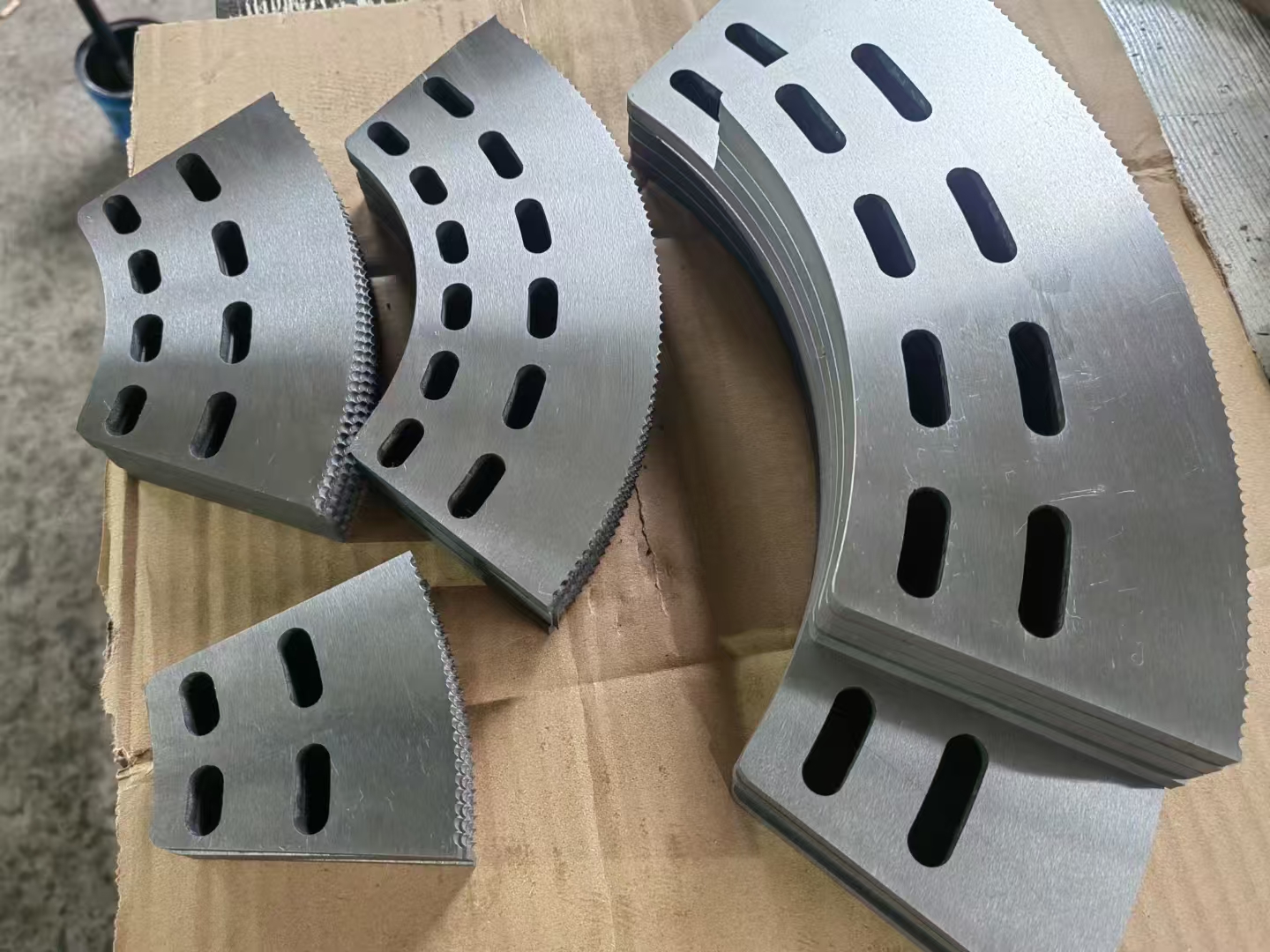
3 Mechanical knives for corroded cardboard industry
We provide standard and custom designs Our product range for corroded cardboard industry includes but is not limited to:
Carbide slitting knives, cross-cutting knives, toothed and toothless circular knives and straight knives, grinding wheels, etc.
Availability:
Quantity:
facebook sharing button
twitter sharing button
line sharing button
wechat sharing button
linkedin sharing button
pinterest sharing button
whatsapp sharing button
kakao sharing button
snapchat sharing button
telegram sharing button
sharethis sharing button

宣传横幅

Engineered for High-Intensity Industrial Cutting

Our circular blades are meticulously engineered to deliver superior performance and reliability across demanding industrial environments. The foundation of our cutting tools lies in the selection of high-quality materials, specifically premium tool steel and high-speed steel (HSS). These carefully chosen alloys are processed to achieve exceptional hardness and toughness, ensuring that the blades maintain a razor-sharp cutting edge even under continuous, high-intensity operating conditions. By resisting edge deformation and premature dulling, these blades significantly extend the operational lifespan between sharpening or replacement cycles. For procurement managers and production supervisors, this translates directly into reduced machine downtime, lower inventory replacement costs, and a more stable manufacturing process that protects the bottom line.

Micron-Level Accuracy for Yield Optimization

One of the most critical standout features of our circular blades is their uncompromising precision. Manufactured with micron-level accuracy, each blade is designed to execute clean, smooth, and burr-free cuts consistently. In high-volume production facilities, even minor deviations in cutting precision can lead to significant material waste and compromised end-product quality. Our precision-engineered blades eliminate these risks by ensuring exact dimensional tolerances. This high level of accuracy minimizes raw material waste and enhances overall productivity, allowing facilities to maximize their yield and maintain strict quality control standards without sacrificing processing speeds or efficiency.

Advanced Manufacturing for Reduced Maintenance

Leveraging advanced manufacturing technology and specialized heat treatment processes, our circular blades offer superior wear resistance compared to standard market alternatives. The enhanced structural integrity of the blade surface minimizes friction during the cutting process, which not only prevents excessive heat buildup but also drastically reduces the frequency of necessary maintenance interventions. Whether your facility is engaged in high-speed continuous production or handles complex, intermittent cutting tasks, the low-maintenance nature of these blades ensures reliable, consistent performance. Ultimately, this leads to significantly lower daily operating costs and a much higher return on investment for your industrial tooling budget.

Comprehensive OEM Capabilities and Customization

Understanding that different production lines utilize distinct machinery and face unique operational challenges, we offer robust OEM manufacturing and comprehensive customization services. Our circular blades are available in fully customizable sizes, edge profiles, and structural designs to perfectly match your specific equipment requirements. This adaptability ensures optimal integration with various industrial slitters and converters, eliminating compatibility issues and setup delays. From initial design consultation to final mass production, our factory's OEM capabilities are structured to provide tailored cutting solutions that align precisely with your project demands. By partnering with us for custom blade manufacturing, you ensure that your cutting tools are optimized specifically for your unique operational workflow.

OEM代工

The following technical parameters provide comprehensive specifications, dimensions, and material standards for our tungsten carbide circular blades. These details are designed to assist engineers and procurement professionals in making accurate selections based on specific slitting requirements and equipment compatibility.

Industrial Blades Material Steel Grade Comparison

Selecting the correct material grade is crucial for ensuring optimal wear resistance and cutting precision. The table below outlines the international steel grade equivalents (China, Europe, USA, Japan, and ISO) for our alloy, tool steel, and high-speed steel materials.

Industrial Blades Material Steel Grade Table
Categories China (GB/T YB) Europe (DIN/BS/NF) American (AISI) Japan (JIS) ISO
Alloy 9CrSi ― ― ― ―

6CrW2Si ― ― ― 50WCrV8
Tool Cr12Mo1V1 1.2379 D2 SKD 11 X153CrMoV12

Cr12MoV ― ― ― ―
Steel 4Cr5MoVSi 1.2343 H11 SKD6 X37CrMoV5-1

4Cr5W2VSi 1.2606 H12 SKD62 ―

4Cr5MoV1Si 1.2344 H13 SKD 61 X35CrMoV5-1
High W18Cr4V 1.3355 T1 SKH2 HS18-0-1
Speed W6Mo5Cr4V2 1.3341/1.3343 M2 SKH51 HS6-5-2
Tool W6Mo5Cr4V3 1.3344 M3 SKH53 HS6-5-3
Steel W6Mo5Cr4V2Co5 1.3243/1.3245 M35 SKH55 HS6-5-2-5

Circular Blade Specifications

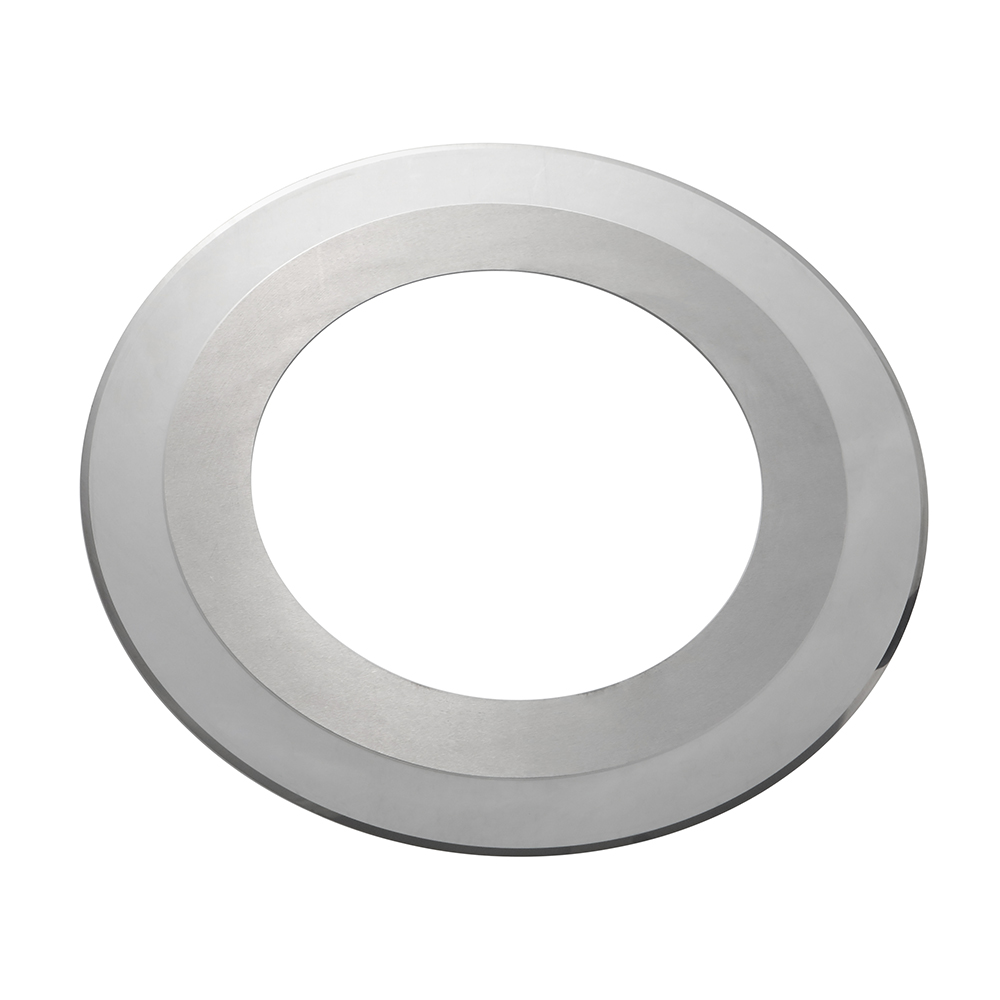
We provide various configurations including disc type knives, flat round knives, and half cut-off slitting knives. The dimensions (outer diameter, inner diameter, and thickness) along with knife edge types and specific materials (such as YG12, YG10X, SKH-51, and SKD-11) are detailed below to ensure exact matching with your slitting machinery.

Specification Outer Diameter Inner Diameter Thickness Knife Edge Type Material
Disc Type Knife
75x45x1.2 Φ75 Φ45 1.2T Single/double side YG12/YG10X/SKH-51/SKD-11
90x60x1.2 Φ90 Φ60 1.2T Single/double side YG12/YG10X/SKH-51/SKD-11
105x70x1.2 Φ105 Φ70 1.2T Single/double side YG12/YG10X/SKH-51/SKD-11
105x75x1.2 Φ105 Φ75 1.2T Single/double side YG12/YG10X/SKH-51/SKD-11
110x75x1.2 Φ110 Φ75 1.2T Single/double side YG12/YG10X/SKH-51/SKD-11
Flat Round Knife
80x40x1.0 Φ80 Φ40 1.0T Single/double side YG12/YG10X/SKH-51/YG12/SKD-11
90x60x1.0 Φ90 Φ60 1.0T Single/double side YG12/YG10X/SKH-51/YG12/SKD-11
120x40x1.0 Φ120 Φ40 1.0T Single/double side YG12/YG10X/SKH-51/YG12/SKD-11
Half Cut-Off Slitting Knife
70x50x1.0 Φ70 Φ50 1.0T double side YG12/SKH-51
80x50x1.0 Φ80 Φ50 1.0T double side YG12/SKH-51
100x60x1.0 Φ100 Φ60 1.0T double side SKH-51

Technical Drawing Reference

The following technical drawing illustrates the standard measurement points and edge geometries for our circular slitting blades, providing a visual reference for the specifications listed above.

Tungsten Carbide Circular Blade Technical Drawing Parameters

Our tungsten carbide circular blades are specifically engineered to meet the demanding requirements of the modern paper and packaging sectors. Designed for direct integration into various paper industry machines, these industrial-grade blades provide reliable cutting solutions for a wide spectrum of materials. Whether your production line handles raw material processing or final product finishing, ensuring the correct blade-to-machine match is crucial for maintaining operational efficiency and minimizing material waste. We focus on providing cutting tools that match exact industrial applications, helping procurement managers and facility engineers find the exact fit for their specific manufacturing environment to keep production lines running smoothly.

Supported Materials in Paper Manufacturing

The versatility of our circular slitting blades allows them to process multiple types of paper-based products effectively. Selecting the right blade profile ensures clean edges and reduces dust generation during the cutting process, which is essential for maintaining a clean working environment and protecting machine components. Our products are suitable for cutting:

  • Pulp: Capable of handling the heavy-duty cutting required during the initial stages of paper production and raw material preparation.
  • Standard Paper: Providing precision slitting for printing paper, writing paper, and packaging paper rolls, ensuring smooth and consistent edges for downstream printing and converting processes.
  • Cardboard & Corrugated Cardboard: Engineered to handle thicker, multi-layered materials without crushing the flutes. Clean cuts on corrugated boards are critical for the packaging industry to ensure proper folding and gluing in automated box-making machines.
  • Tissue: Delivering clean, sharp cuts for soft and delicate tissue paper, preventing tearing, minimizing lint, and ensuring a neat final consumer product.

Comprehensive Product Range and Machine Compatibility

To support diverse paper-processing facilities, we offer a comprehensive range of knife configurations. These blades are manufactured to fit standard industrial equipment, ensuring straightforward replacement and reduced machine downtime. Our product range for the paper and cardboard industry includes:

  • Sheeter and Slitter Knives: Designed for primary converting applications. These are essential for slitting large master rolls into manageable widths and sheeting them into specific lengths.
  • Cut-off, Serrated, and Cross-cutting Knives: Specialized blade profiles to handle specific cutting actions, whether you need a straight continuous slit, a perforated cut across the web, or rapid cross-directional severing.
  • Circular Dished and Plain Knives: Various edge geometries are available to suit different slitting methods, such as shear slitting or crush-cut slitting, depending on your specific machine setup.
  • Log Saw Blades: Specifically utilized in the tissue converting industry for accurately cutting long logs of rolled tissue into individual consumer-sized rolls without deforming the core.
  • Knife Holders and Accessories: Complete cutting assemblies and other knives designed for the pulp, paper, and paper-processing industries to ensure the blades are securely mounted, reducing vibration and maintaining cutting accuracy during continuous high-speed operations.

By covering the entire spectrum of the pulp, paper, and paper-processing industries, our cutting solutions help manufacturing facilities consolidate their tooling procurement. Choosing the appropriate blade profile and machine-compatible design directly impacts the overall yield and reduces the frequency of blade changeovers, providing tangible value for continuous production lines.

产品综合应用

Tungsten carbide circular blades for precision slitting are highly engineered tools designed for demanding industrial cutting applications. Because tungsten carbide offers exceptional hardness but is inherently more brittle than standard tool steels, proper handling, installation, and maintenance are essential. Following these standard operating procedures will help you ensure optimal cutting performance, prevent premature edge damage, and maximize the operational lifespan of your slitting equipment.


  • Installation: Before installing the circular blade, strictly verify compatibility with your slitting machinery. Check that the outer diameter, bore size, thickness, and keyway dimensions precisely match your equipment specifications. Prior to mounting, thoroughly clean the machine arbor, flanges, and the blade itself to remove any dust or grease; even microscopic debris can cause blade runout and wobble during high-speed rotation. Always wear heavy-duty, cut-resistant gloves during handling. Use the correct mounting tools and a calibrated torque wrench to secure the blade firmly. Avoid over-tightening the locking nuts, as excessive pressure can distort the blade body, warp the cutting edge, or damage the mounting flanges.

  • Alignment: Proper alignment is critical for achieving clean, dust-free cuts and ensuring blade longevity. Ensure the circular blade is perfectly perpendicular to the material web and accurately aligned with the corresponding anvils or bottom counter blades. Carefully adjust the blade overlap and side pressure according to the specific material being slit. Excessive side pressure generates unnecessary friction and heat, while insufficient pressure leads to poor edge quality and material tearing. Misalignment is a primary cause of uneven wear, edge chipping, and reduced overall cutting efficiency. Regularly verify alignment using precision measuring gauges before starting the production run.

  • Material Handling: Use the tungsten carbide blade strictly for its intended materials, such as specific grades of paper, corrugated cardboard, plastic films, or foils. Never exceed the recommended material thickness or density limits specified for your blade profile. Strictly avoid cutting abrasive materials, metals, or webs containing hard contaminants (such as staples, heavy sand content, or hardened adhesives). Forcing the blade through overly thick or non-compatible materials will subject the brittle carbide edge to excessive lateral forces, inevitably leading to micro-chipping, catastrophic blade failure, and potential damage to the slitting machine.

  • Maintenance: Establish a routine inspection schedule to check the blade for early signs of wear, such as micro-nicks, dull edges, or abnormal heat marks. After each production shift, carefully clean the blade to remove paper dust, adhesive residue, and other debris that can accumulate and negatively affect slitting performance. Use appropriate industrial solvents and soft cleaning cloths; never use hard metal scrapers that could scratch the polished carbide surface. Because tungsten carbide is exceptionally hard, standard sharpening methods are ineffective. For extended use, schedule periodic sharpening exclusively through a professional grinding service equipped with specialized diamond grinding wheels to restore the exact original bevel angles and surface finish.

  • Storage: When removed from the machine, store the tungsten carbide circular blades in a dry, temperature-controlled environment to prevent surface oxidation and corrosion. Although carbide does not rust like steel, the cobalt binder can degrade if exposed to high humidity or acidic environments. Always apply a light coating of anti-rust machine oil or wrap the blades in VCI (Volatile Corrosion Inhibitor) paper before storage. Tungsten carbide is highly susceptible to impact damage; therefore, never stack blades directly on top of each other. Use the original protective packaging, wooden cases, or dedicated edge covers to prevent physical shocks and edge-to-edge contact.


By strictly adhering to these operational, handling, and maintenance procedures, operators can significantly reduce machine downtime, minimize replacement costs, and ensure consistent, high-quality slitting results. For specific torque settings, overlap recommendations, or further technical guidance tailored to your specific slitting application, please consult your machine's operational manual or contact our technical support team.


Q: Are you a trading company or a manufacturer?

A: We are a direct manufacturer specializing in tungsten carbide products. By operating our own production facility, we maintain full control over the manufacturing process, ensuring consistent quality, stable production capacity, and reliable supply for your procurement needs.


Q: Where is your factory located?

A: Our manufacturing facility is located in NanJing. This strategic location provides us with excellent logistical advantages, allowing for efficient domestic and international shipping to meet your project schedules.


Q: How long is your delivery time?

A: Delivery times depend on the specific requirements of your order. For normal types where we already have the mold, production typically takes two weeks after receiving the advance payment. For non-standard or custom requests that require new molds, the lead time is approximately 4 to 6 weeks upon receipt of the advance payment.


Q: Is the price competitive?

A: Yes, as a direct factory source, UKO offers highly competitive pricing without compromising on performance. We provide reliable products that deliver excellent long-term value, helping you optimize your procurement budget while maintaining operational efficiency.


Q: Are the products high quality?

A: Absolutely. We implement a strict quality control system throughout the entire production cycle. Before bulk production begins, all raw materials are rigorously tested. Prior to shipping, our inspection team carefully checks the physical properties, shape, and dimensional tolerance of every batch to ensure only fully qualified products reach your facility.


Previous: 
Next: 
Nanjing Hangjin Machinery Equipment Co., Ltd. is one professional manufacturer which provide various of blade and Knife, widely used at steel, agriculture, graziery, paper-making, package, forestry, lithium battery, cottonocracy, plastic, food etc.

QUICK LINK

PRODUCT CATEGORY

CONTACT US

Tel: +86-186-8927-7942
WhatsApp: +8618689277942
Skype: Kemp.yu
Add: No. 107 Changning Road, Tongjing Town, Jiangning District, Nanjing, Jiangsu, China
Copyright © 2025 Nanjing Hangjin Machinery Equipment Co., Ltd. All Rights Reserved. | Sitemap | Privacy Policy