| Availability: | |
|---|---|
| Quantity: | |
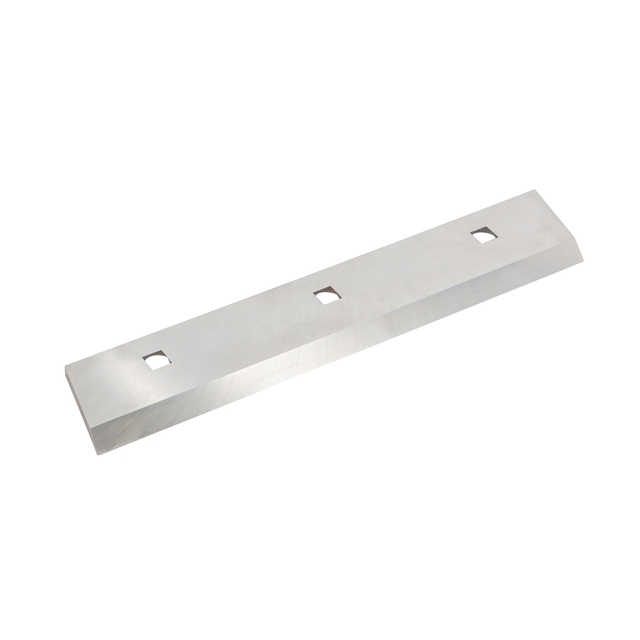
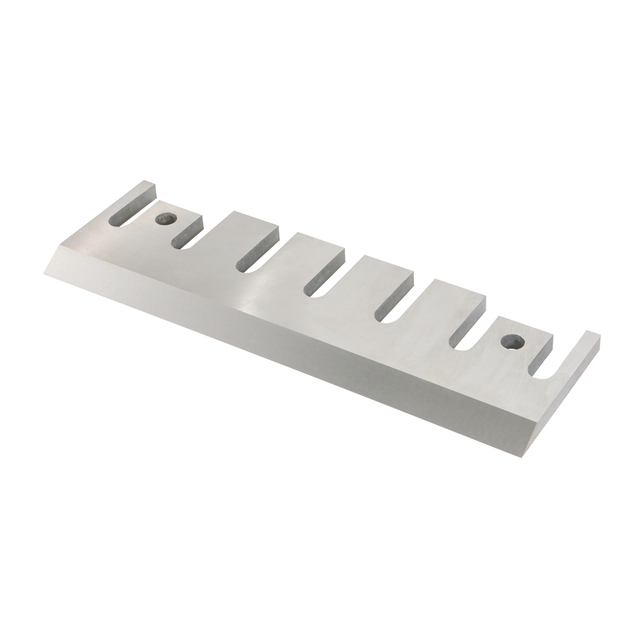
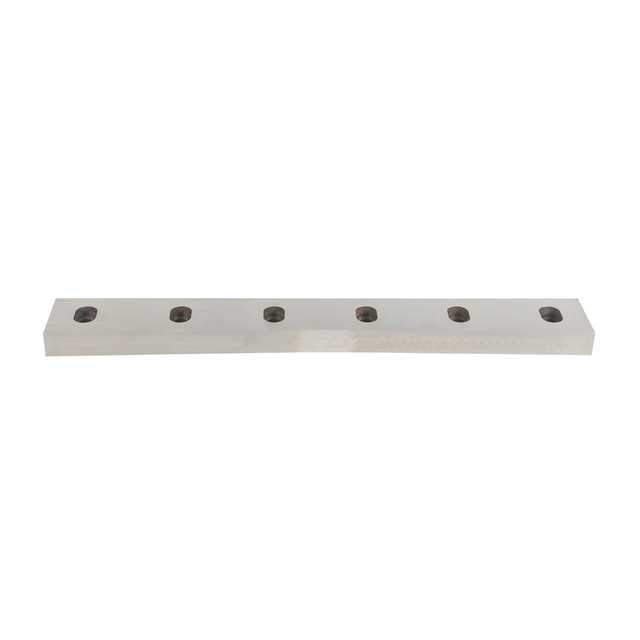
Designed to meet the rigorous demands of industrial wood processing and forestry management, our premium wood chipper blades deliver highly efficient cutting performance and exceptional longevity. When sourcing replacement parts for heavy-duty chipping equipment, maintaining continuous operation is critical. Manufactured from high-grade alloy steel, these blades undergo an advanced heat treatment process that significantly increases their hardness and wear resistance. This ensures that the blades maintain consistent, reliable performance even under continuous heavy workloads in challenging environments, ultimately protecting your machinery investment and improving overall output.
Upgrade your wood chipping operations with our high-performance wood chipper blades, engineered to maximize productivity and significantly reduce operating costs. Contact us today for more information or to request a custom blade solution tailored to your specific machinery requirements.

| Industrial Blades Material Steel Grade Table | |||||
| Categories | China(GB/T YB) | Euro(DIN/BS/NF) | American(AISI) | Japan(JIS) | ISO |
| Alloy | 9CrSi | ― | ― | ― | ― |
| 6CrW2Si | ― | ― | ― | 50WCrV8 | |
| Tool | Cr12Mo1V1 | 1.2379 | D2 | SKD 11 | X153CrMoV12 |
| Cr12MoV | ― | ― | ― | ― | |
| Steel | 4Cr5MoVSi | 1.2343 | H11 | SKD6 | X37CrMoV5-1 |
| 4Cr5W2VSi | 1.2606 | H12 | SKD62 | ― | |
| 4Cr5MoV1Si | 1.2344 | H13 | SKD 61 | X35CrMoV5-1 | |
| High | W18Cr4V | 1.3355 | T1 | SKH2 | HS18-0-1 |
| Speed | W6Mo5Cr4V2 | 1.3341/1.3343 | M2 | SKH51 | HS6-5-2 |
| Tool | W6Mo5Cr4V3 | 1.3344 | M3 | SKH53 | HS6-5-3 |
| Steel | W6Mo5Cr4V2Co5 | 1.3243/1.3245 | M35 | SKH55 | HS6-5-2-5 |

Wood chipper blades are indispensable components for a wide range of demanding industries, providing efficient, reliable, and high-volume wood processing solutions. Designed to handle various wood types and operational environments, these blades serve as the core cutting mechanism for industrial chippers, brush chippers, and heavy-duty grinders. By ensuring precise cuts and consistent chip quality, they help operations across multiple sectors optimize their processing speed, reduce unnecessary machine wear, and meet specific project requirements effectively.
Key Application Scenarios:
Forestry and Land Clearing: Wood chipper blades are widely utilized in heavy-duty forestry operations and commercial land clearing projects. In these demanding environments, operators need to quickly process large tree branches, whole logs, and bulky timber waste into uniform wood chips. Reliable blades ensure continuous operation without frequent replacements, which is critical for clearing large tracts of land efficiently. This process significantly reduces the volume of forestry waste, makes transportation easier, and prepares raw biomass materials for further commercial utilization.
Landscaping and Gardening: Professional landscapers, municipal park maintenance teams, and gardening contractors rely heavily on brush chipper blades to manage daily green waste. These blades efficiently turn tough tree trimmings, thick shrubs, and seasonal yard debris into valuable organic mulch. The resulting high-quality wood chips are perfect for spreading over garden beds to retain moisture, creating natural pathways, and enriching soil health. By processing green waste on-site, landscaping businesses can lower disposal costs and create sustainable by-products for their clients.
Biomass Fuel Production: In the rapidly growing renewable energy sector, wood chipper blades play a crucial role in the preparation of biomass fuel. Energy plants require wood chips of specific, uniform sizes to ensure optimal combustion efficiency. High-performance blades efficiently process raw wood waste, offcuts, and logs into standardized chips that are ideal for industrial heating systems, power generation facilities, or further processing into wood pellets and biofuels. Consistent cutting performance directly impacts the energy yield and overall productivity of biomass operations.
Recycling and Waste Management: Municipal and commercial recycling facilities depend on robust wood chipper blades to handle diverse and often unpredictable wood waste streams. These blades are essential for breaking down discarded pallets, construction wood scrap, and urban tree waste. By converting bulky wood refuse into manageable, reusable materials, the blades support the circular economy. The processed chips are then repurposed for manufacturing composite materials like particleboard, producing recycled paper products, or generating commercial-grade compost.
Industrial Wood Processing: From large-scale sawmills to commercial furniture manufacturing plants, wood chipper blades are integral to maximizing resource efficiency. During primary wood manufacturing, significant amounts of wood scraps, slabs, and offcuts are generated. Industrial chippers equipped with precise blades process this secondary material into usable chips, ensuring that no raw material goes to waste. This not only minimizes disposal expenses but also creates an additional revenue stream by selling the chips to pulp mills or engineered wood manufacturers.
Whether you are managing small-scale municipal landscaping projects or running continuous large-scale industrial forestry operations, selecting the right wood chipper blades is essential for maintaining consistent performance, operational durability, and long-term cost-effectiveness. By matching the blade to your specific application, you can significantly reduce equipment downtime and improve overall processing yields. Upgrade your wood processing capabilities today and explore the versatility of our premium chipping solutions tailored to your industry. Contact our team for more details or to find the perfect blade configuration for your specific operational needs.

To ensure the best performance, maximum longevity, and safe operation of your wood chipper blades, it is essential to follow this comprehensive product operate guide. Proper handling and maintenance not only extend the service life of the cutting tools but also protect the chipper machinery from premature wear, ultimately reducing downtime and maintenance costs for your operations. Please review the following standard operating procedures carefully:
Installation: Before installing the replacement blades, ensure the chipper equipment is fully powered off and properly locked out and tagged out (LOTO) according to site safety protocols. Thoroughly clean the mounting surfaces, rotor, and blade pockets to remove any debris, wood chips, or resin buildup. Align the blades precisely according to the manufacturer’s instructions. Ensure all mounting bolts are in good condition and tightened to the specified torque settings using a calibrated torque wrench. Proper alignment and secure fastening prevent uneven wear, maintain dynamic balance, and enhance overall cutting efficiency.
Regular Inspection: Establish a routine inspection schedule before each operational shift. Check the blades carefully for any early signs of wear, micro-cracks, edge chipping, or dullness. Additionally, inspect the mounting hardware to ensure no bolts have loosened during operation due to continuous vibration. Damaged, compromised, or excessively worn blades should be replaced immediately. Operating with defective blades significantly reduces chipping efficiency and poses a severe safety hazard to operators and the machinery.
Sharpening: Keep the cutting edges sharp by utilizing a professional sharpening tool or partnering with an experienced grinding service. When sharpening, it is crucial to maintain the original bevel angle specified for your specific wood chipper blade model. Care must be taken to use appropriate coolant during the grinding process to prevent overheating the steel, which can alter the metallurgical properties and reduce the blade's hardness. Dull blades reduce processing efficiency, increase fuel or power consumption, and cause unnecessary mechanical strain on the chipper motor and bearings.
Balancing: After any sharpening procedure, verify that the blades are perfectly balanced before reinstallation. Wood chipper blades often operate at high rotational speeds, and even minor weight discrepancies can cause severe vibrations. Unbalanced blades lead to uneven cuts, accelerated wear on rotor bearings, and potential structural damage to the chipper itself. Always weigh sharpened blades in pairs or sets to ensure uniform mass distribution across the rotor.
Operation: Feed wood materials evenly and steadily into the chipper, avoiding sudden overloading or forcing oversized logs into the intake. Ensure that the materials processed—whether hardwood, softwood, or brush—fall strictly within the chipper’s rated capacity limits. Prior to feeding, inspect the material to remove any foreign objects such as nails, rocks, or metal wire, which can instantly ruin the blade edge or cause equipment failure. Listen to the machine during operation; a significant drop in RPM usually indicates overloading or dulling blades.
Maintenance: Clean the blades and the chipper's cutting chamber thoroughly after each use. Remove all accumulated wood debris, dust, and sticky sap or resin buildup, which can cause friction and overheating. Apply a light coat of industrial rust-inhibiting oil to the blades if the equipment will be stored for an extended period. Lubricate all moving parts, bearings, and pivot points as recommended by the equipment manufacturer to ensure smooth, continuous operation.
Safety Precautions: Safety is the highest priority when operating heavy-duty wood processing equipment. Always wear appropriate personal protective equipment (PPE), including heavy-duty work gloves, ANSI-rated safety glasses or face shields, and adequate hearing protection. Never bypass safety guards or interlocks. Keep hands, loose clothing, and auxiliary tools well away from the infeed chute and blade area during operation. Ensure all operators are fully trained on emergency shut-off procedures.
By strictly adhering to these operational and maintenance guidelines, you can maximize the cutting efficiency, durability, and safety of your wood chipper blades. Proper care translates directly to improved processing output and lower operational costs. For further technical assistance, maintenance advice, or to order replacement blades, contact our professional support team today!
Q: Are you a trading company or a manufacturer?
A: We are a direct manufacturing factory specializing in tungsten carbide products. This direct manufacturing capability allows us to maintain strict control over the entire production process of our wood chipper blades and provide dedicated support for your procurement needs.
Q: Where is your factory located?
A: Our production facility is located in NanJing. Operating from this location enables us to efficiently manage manufacturing processes and coordinate reliable logistics for our clients.
Q: How long is your delivery time?
A: Lead times depend on the specific requirements of your order. For standard types where we already have the mold, production takes two weeks after receiving the advance payment. For non-standard or customized items that require new molds, the lead time is 4 to 6 weeks upon receiving the advance payment.
Q: Is your pricing competitive for bulk orders?
A: Yes, UKO offers highly reliable products with a very competitive price structure. By operating as a direct factory, we eliminate intermediary costs, ensuring that you receive optimal value for your purchasing investments without compromising on material integrity.
Q: How do you control product quality before shipment?
A: Strict quality control is implemented at every stage to reduce your sourcing risks. Raw materials are thoroughly tested before bulk production begins. Before shipping, our inspection team verifies the physical properties, shape, and dimensional tolerance to ensure every blade meets the required qualifications and is ready for demanding work environments.