
T: +86-186-8927-7942
E: kemp@hangjin-machinery.com
E: kemp@hangjin-machinery.com
No. 107 Changning Road, Tongjing Town, Jiangning District, Nanjing, Jiangsu, China
Views: 0 Author: Site Editor Publish Time: 2026-05-04 Origin: Site


Are you using the right blade for tough materials? Many people choose wrong tools. Diamond Circular Saw Blades can change cutting results.
In this article, we explore different blade types. We compare speed, finish, and applications.You will learn how to choose the best blade. This helps improve efficiency and cutting performance.
When we talk about Diamond Circular Saw Blades, we are not just describing a sharper tool. We are talking about a completely different cutting principle. Unlike standard blades that slice through materials, these blades rely on abrasion and controlled wear.
At their core, Diamond Circular Saw Blades are built using a steel body combined with diamond segments. The steel core provides structural stability. The outer edge contains industrial diamond particles embedded in a bonding matrix. This combination allows the blade to maintain strength while handling extremely hard materials.
These blades stand out is their application focus. They are specifically designed for:
Hard materials like concrete, granite, and ceramic
Abrasive environments where ordinary blades wear quickly
Projects requiring long service life and stable cutting performance
This is why Diamond Circular Saw Blades are often chosen when durability and efficiency matter more than initial cost.
Unlike traditional blades, Diamond Circular Saw Blades do not actually "cut" in the usual sense. Instead, they grind away material layer by layer, using exposed diamond particles as micro cutting points.
This process can feel counterintuitive at first. However, it explains why these blades perform so well in difficult conditions.
Here’s how the cutting process works:
The blade rotates at high speed, bringing diamond particles into contact with the material
Each diamond acts like a tiny grinding tool, scratching and removing material
As diamonds wear down, the bond matrix releases them and exposes new sharp particles
This continuous renewal process is what gives diamond blades their long lifespan.
To better understand this, compare the cutting behavior:
| Cutting Aspect | Traditional Blade | Diamond Circular Saw Blade |
|---|---|---|
| Cutting Action | Slicing with teeth | Grinding with diamonds |
| Wear Pattern | Teeth dull over time | Self-renewing surface |
| Heat Handling | Limited resistance | High heat tolerance |
| Performance Stability | Decreases quickly | Remains consistent |
Heat plays a critical role during operation. Diamond Circular Saw Blades are designed to handle high temperatures generated by friction. Still, excessive heat can reduce efficiency. That is why some blades are designed for wet cutting, while others rely on airflow for cooling.
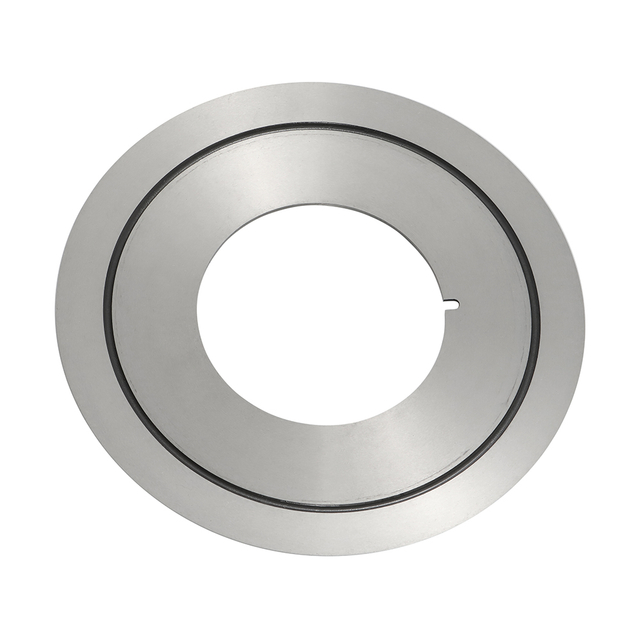
Segmented Diamond Circular Saw Blades are easy to recognize because of their visible gaps, often called gullets. These segments are not just for design. They allow airflow, reduce heat, and help remove debris during cutting. When we use them on tough materials, they stay cooler and perform more aggressively.
In real projects, people often choose this type when speed matters more than surface finish. It works especially well on rough and dense materials. Think of construction environments where cutting efficiency is critical.
Typical applications include:
Concrete slabs and reinforced concrete structures
Brick, block, and masonry materials
Asphalt and roadwork surfaces
Why users prefer segmented blades:
They cut faster due to reduced friction
They handle heat better during dry cutting
They last longer in abrasive conditions
However, we should keep expectations realistic. The cutting edge is not continuous, so the finish will be rougher. It is not ideal for decorative or precision work.
Continuous rim Diamond Circular Saw Blades look completely different. Instead of segments, they feature a smooth and uninterrupted edge. This design allows for cleaner cuts, which is why many users rely on them for precision tasks.
When we work on delicate materials, surface quality becomes more important than speed. This is where continuous rim blades perform best. They reduce chipping and produce smooth edges.
Common use cases:
Ceramic tiles and porcelain surfaces
Marble, granite, and decorative stone
Fine finishing applications
Advantages worth noting:
Produces clean, chip-free cuts
Ideal for precision and finishing work
Works well in wet cutting conditions
But there is a trade-off. The lack of segments means less airflow. So it cuts slower and may require water cooling to prevent overheating.
Turbo Diamond Circular Saw Blades sit between segmented and continuous designs. They use a serrated or wavy rim, which helps combine speed and smoother cutting performance.
When we want balance, this is often the go-to choice. It offers faster cutting than continuous blades, but still delivers better finish than segmented ones.
Key characteristics:
Serrated rim improves airflow and cooling
Faster cutting than continuous rim blades
Smoother finish than segmented blades
Typical materials:
Concrete and stone surfaces
Brick and general masonry
Medium-hard materials requiring balance
Performance comparison overview:
| Blade Type | Speed | Finish | Cooling |
|---|---|---|---|
| Segmented | High | Rough | Excellent |
| Continuous | Low | Smooth | Limited |
| Turbo | Medium-High | Medium-Smooth | Good |
Not all Diamond Circular Saw Blades are general-purpose. Some are designed for very specific conditions or materials. These are often called specialty blades, and they can make a big difference in performance.
One of the first distinctions is between wet and dry blades. Wet blades rely on water to cool the cutting area and reduce dust. Dry blades depend on airflow and segment design to manage heat.
Wet vs Dry considerations:
Wet cutting → better cooling, longer blade life, cleaner work environment
Dry cutting → more convenient, no water required, suitable for quick jobs
Another important factor is material-specific design. Some blades are engineered for:
Granite and hard stone surfaces
Reinforced concrete with steel bars
Asphalt and abrasive road materials
These blades use different bond formulations. Softer bonds expose diamonds faster for hard materials. Harder bonds hold diamonds longer for softer materials.
When selecting Diamond Circular Saw Blades, the material you plan to cut is always the first thing to consider. Different materials behave very differently during cutting. Some are dense and hard, while others are softer but highly abrasive. Because of this, a blade designed for one material may perform poorly on another.
Hard materials such as granite or reinforced concrete require blades that can expose new diamond particles quickly. Softer materials, like asphalt, often demand blades with stronger bonding to prevent excessive wear. It sounds simple, yet many users overlook this match and end up with poor performance.
If we choose the wrong blade, several issues can appear:
The blade may wear out faster than expected, increasing costs
Cutting speed may drop significantly, slowing down the project
The blade surface can glaze, which reduces cutting efficiency
In practice, matching the blade to the material helps maintain stable cutting performance. Manufacturers like Hangjin pay close attention to material compatibility when designing circular blades, since even small differences in density or abrasiveness can affect blade life.
Another important factor is how the blade will be used during operation. Diamond Circular Saw Blades are typically designed for either wet cutting, dry cutting, or both. The method you choose affects performance, safety, and even blade lifespan.
Wet cutting uses water to cool the blade and reduce friction. It also helps control dust, which is especially important when working with materials like concrete or stone. In many cases, wet cutting leads to smoother cuts and longer blade life.
Dry cutting, on the other hand, is often chosen for convenience. It does not require additional equipment, making it suitable for quick jobs or locations where water is not available. However, heat builds up faster, so the blade design must allow proper airflow.
When deciding between the two, we usually consider:
Work environment and available equipment
Material type and dust control requirements
Duration and intensity of the cutting task
Choosing the correct cutting method helps improve both efficiency and safety. It also reduces unnecessary stress on the blade during operation.
Every project involves a balance between speed and precision. With Diamond Circular Saw Blades, we often need to decide whether we want faster cutting or a smoother finish. In most cases, it is difficult to achieve both at the same time.
For example, blades designed for high-speed cutting remove material quickly but may leave a rougher edge. On the other hand, blades designed for precision create cleaner cuts but work more slowly. The choice depends on what matters more in your project.
Think about different scenarios:
In construction work, speed is often the priority because time and productivity matter
In tile or decorative stone work, edge quality becomes more important than cutting speed
In mixed applications, a balanced option may provide the best overall performance
Even if the blade type is correct, it still needs to match the equipment. Diamond Circular Saw Blades come in different sizes and specifications, and using the wrong size can lead to poor performance or even safety risks.
Key technical factors include diameter, arbor size, and maximum RPM rating. These details must align with the machine being used. If they do not match, the blade may not operate correctly or could become unstable during cutting.
It is also important to consider installation and handling. A properly installed blade runs smoothly and reduces vibration. Incorrect installation can affect cutting accuracy and increase wear on both the blade and the machine.
When we compare Diamond Circular Saw Blades to carbide blades, the biggest difference comes from how they interact with materials. Carbide blades rely on sharp teeth. They slice through materials like wood, plastic, and some soft metals. Diamond blades do not use teeth. They grind through hard surfaces using diamond particles.
From a performance angle, we can break it down like this:
| Aspect | Diamond Circular Saw Blades | Carbide Blades |
|---|---|---|
| Cutting Method | Grinding / abrasion | Tooth cutting |
| Best Materials | Concrete, stone, tile | Wood, plastic, soft metals |
| Lifespan in Abrasive Use | Long | Moderate to short |
| Edge Retention | Self-renewing | Wears down over time |
In terms of cost, carbide blades usually cost less at the start. However, they may need replacement more often in demanding conditions. Diamond blades cost more upfront, yet they often deliver better long-term value in the right applications.
Comparing Diamond Circular Saw Blades to steel blades shows an even bigger gap. Steel blades are simple tools. They work best on soft materials and light-duty tasks. Once we move into harder materials, their limitations become clear.
Steel blades rely entirely on edge sharpness. When cutting abrasive materials, they lose that sharpness quickly. This leads to slower cutting, more heat, and frequent replacement. Diamond blades, on the other hand, are designed for those exact conditions.
Here is how their differences appear in practice:
Steel blades are suitable for basic cutting where material resistance is low
Diamond blades handle dense, abrasive surfaces where durability is required
Steel blades lose efficiency quickly under heavy load, while diamond blades maintain stability
However, once the job involves concrete, masonry, or stone, switching to a diamond blade becomes necessary. This is why most professional users move away from steel blades for demanding applications.
At first glance, Diamond Circular Saw Blades may seem expensive. Their initial cost is higher than both carbide and steel blades. But if we look at long-term performance, the picture changes.
Instead of focusing only on purchase price, we should consider total cost over time. This includes blade life, replacement frequency, and downtime during work.
Key factors influencing cost efficiency:
Blade lifespan under real working conditions
Frequency of replacement during projects
Stability of cutting performance over time
Diamond blades often last longer in abrasive environments. They also maintain consistent cutting efficiency, which helps reduce interruptions during work. This makes them more cost-effective in many industrial and construction scenarios.
Choosing Diamond Circular Saw Blades becomes straightforward when we understand the working conditions. They are not meant for every situation, but in the right environment, they outperform other blade types.
We typically choose diamond blades when the job involves:
Hard materials such as concrete, granite, or ceramic
Abrasive surfaces where ordinary blades wear quickly
Continuous cutting tasks requiring consistent performance
They are also preferred when precision and durability matter at the same time. For example, in tile cutting or stone processing, a clean edge is important, but so is blade lifespan.
Common scenarios where they excel:
Construction and infrastructure projects
Stone fabrication and finishing work
Industrial cutting environments with high workloads
In these situations, using the right blade type improves both efficiency and result quality. Hangjin’s circular blade solutions are designed around these needs, offering options that match different materials, machines, and production requirements.
Choosing the right Diamond Circular Saw Blades depends on material and task needs. Each type offers different speed and finish results. Hangjin provides durable, precise blades that support stable cutting and long service life.
A: Diamond Circular Saw Blades cut hard materials like concrete and stone efficiently.
A: Diamond Circular Saw Blades grind materials using diamond particles instead of teeth.
A: Diamond Circular Saw Blades last longer on abrasive materials than carbide blades.
A: Diamond Circular Saw Blades can be used dry if designed for proper heat control.
A: Diamond Circular Saw Blades wear when bond or material matching is incorrect.


