
T: +86-186-8927-7942
E: kemp@hangjin-machinery.com
E: kemp@hangjin-machinery.com
No. 107 Changning Road, Tongjing Town, Jiangning District, Nanjing, Jiangsu, China
Views: 0 Author: Site Editor Publish Time: 2026-04-27 Origin: Site


A bad blade can ruin a good cut fast. The right Metal Cutting Circular Saw Blade helps improve quality, control heat, and reduce waste. In this article, you will learn what affects blade performance and how to choose the right blade for different metal cutting jobs.
The right Metal Cutting Circular Saw Blade does more than cut through metal. It helps the saw move more smoothly, keeps the edge cleaner, and reduces the extra work after cutting. When the blade matches the material and the machine, the result is usually more stable and more precise. That is why blade material, tooth design, and application fit all matter in real production.
Smoother cuts
A better-matched blade tracks through the metal more evenly. It helps reduce drag during the cut. That makes the cutting line look more stable.
Cleaner edges
The right blade leaves a neater edge on the workpiece. It reduces roughness at the cut line. That helps the next process move faster.
Fewer burrs
Burrs often increase when the blade is not suited to the job. A proper blade helps reduce them at the source. That means less deburring later.
Better downstream finish
Cleaner cuts support welding, coating, bending, and assembly. It helps parts move to the next step in better condition. That improves overall workflow.
Metal cutting creates more resistance than many lighter materials. That means the blade faces more friction and more heat during each cut. If the blade is not designed for the task, it can dull faster, run hotter, and lose cutting quality sooner. Blade type and application strongly affect wear and service life.
More heat in metal cutting
Metal pushes back harder during the cut. That raises friction quickly. It also puts more stress on the cutting edge.
Faster dulling from the wrong blade
A blade not suited for the metal often loses sharpness sooner. Then cutting becomes heavier and less clean. That usually leads to earlier replacement.
Longer life from the right blade
A better blade keeps friction lower and cutting more stable. It stays useful for more cycles. That helps reduce replacement pressure.
More reliable daily performance
When wear stays under control, the blade behaves more consistently. It helps operators maintain cut quality over time. That matters in repeated industrial work.
A poor blade choice creates more than a cutting problem. It can lead to more blade changes, more wasted parts, more machine strain, and slower production. These problems may start small, but they often spread across the whole workflow. That makes blade selection a cost issue as well as a technical one.
More blade changes
A blade that dulls too fast stops production more often. Each replacement takes time. It also adds labor and setup cost.
More wasted material
Rough or unstable cuts can damage usable parts. That creates scrap or rework. It reduces material efficiency.
More machine strain
A dull or unsuitable blade forces the saw to work harder. That may increase vibration and heat. It can also reduce machine stability.
Lower production efficiency
Cutting delays often affect the next step too. That slows the full line. A better blade helps keep work moving.
| Issue | What Happens on the Floor | Why It Matters |
|---|---|---|
| Wrong blade for the job | Rougher cuts and faster dulling | More waste and rework |
| Poor heat control | Higher friction during cutting | Shorter blade life |
| Frequent blade changes | More stops in production | Lower efficiency |
| Extra machine strain | Less stable cutting | More downtime risk |
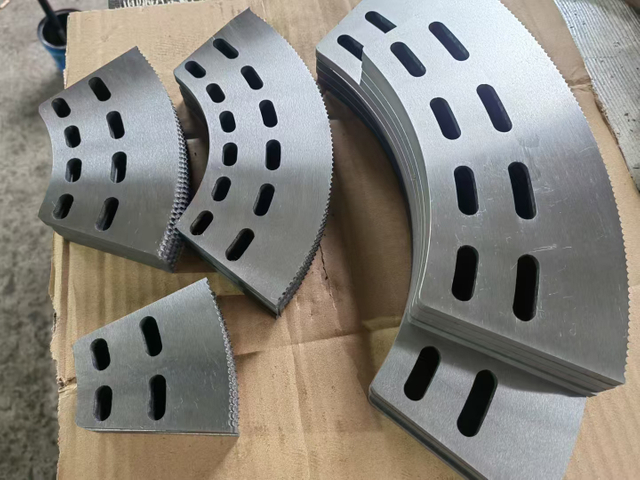
Blade material is one of the first things we should check in a Metal Cutting Circular Saw Blade. It affects sharpness, wear resistance, heat handling, and how the blade performs under repeated use. A blade may look suitable at first, but if the material does not match the cutting task, performance often drops fast. Hangjin’s company information fits naturally here because it highlights advanced materials, customization, and quality-focused blade production for demanding industrial work.
High-speed steel for general industrial cutting
HSS blades are often chosen for solid toughness and practical value. They can work well in continuous cutting when the job needs durability and cost control. They are usually a sensible option when the workload is steady but not extremely demanding.
Carbide-tipped blades for harder or higher-volume work
Carbide-tipped blades are often the better choice when buyers need stronger wear resistance and longer edge retention. They usually stay sharp longer under demanding use. That makes them useful when cut quality and blade life both matter.
Other options for special conditions
Some jobs need more than a standard HSS or carbide setup. Different coatings, grinding methods, or custom designs may help when heat, speed, or material type creates extra pressure. That is why industrial buyers often look beyond the basic blade label.
Why material must match the job
The best blade material depends on the metal, the machine, and the workload. A blade that works well on one task may not be the right choice for another. We get better results when the blade material matches the actual cutting conditions.
Tooth count and tooth shape have a direct effect on how a Metal Cutting Circular Saw Blade behaves in use. They influence cutting speed, edge finish, chip removal, and cutting stability. These details may seem small, but they often decide whether a cut feels smooth and controlled or rough and inefficient.
Fewer teeth for faster cutting
A blade with fewer teeth usually cuts faster because each tooth removes more material. That can help in jobs where speed matters more than finish. The trade-off is that the cut edge may come out rougher.
More teeth for a smoother finish
A higher tooth count usually gives a cleaner and more refined edge. It spreads the cutting load more evenly across the blade. That often helps when finish quality matters in later processing.
Tooth shape affects precision and chip control
Tooth geometry changes how the blade enters the metal and how chips leave the cut. A better tooth design can reduce vibration and improve control. It also helps the blade cut more consistently under pressure.
The right balance matters most
There is no single tooth setup that fits every job. We need to balance cutting speed, finish quality, and application needs. That is why tooth count and tooth shape should be chosen together, not separately.
These three features shape the cutting behavior of a Metal Cutting Circular Saw Blade more than many buyers expect. They affect how aggressively the blade cuts, how stable it feels, and how much material it removes. When they are matched well, the cut becomes easier to control and more consistent.
Kerf is the width of the cut
Kerf tells us how much material the blade removes as it passes through the workpiece. A thinner kerf can reduce cutting resistance and material loss. A wider kerf may offer other advantages, but it usually demands more power.
Blade thickness supports stability
Thickness affects how rigid the blade feels during cutting. A blade that is too thin for the job may flex more easily. That can reduce accuracy and make the cut less stable.
Rake angle changes cutting behavior
Rake angle influences how aggressively the teeth enter the metal. It can make the blade feel smoother and more controlled, or more forceful and faster. This is one reason blade design must match the application.
These details work together
Kerf, thickness, and rake angle should not be judged one by one. They interact during the cut. A good combination helps balance control, efficiency, and finish quality.
| Performance Factor | What It Affects | Why It Matters |
|---|---|---|
| Blade material | Wear resistance and heat handling | Helps match the blade to the metal and workload |
| Tooth count and shape | Cutting speed and edge finish | Balances faster cuts and cleaner results |
| Kerf and thickness | Resistance and stability | Influences control and cutting accuracy |
| Rake angle | Cutting feel and aggression | Affects smoothness, safety, and chip flow |
| Diameter, bore, and RPM | Fit and running stability | Supports safe and consistent operation |
Even a well-made blade will not perform well if it does not fit the machine correctly. Diameter, bore size, and RPM limits all affect safety, stability, and cutting quality. This is one reason industrial buyers look at machine compatibility before focusing only on price or blade material.
The blade must fit the saw correctly
Diameter and bore size must match the saw setup. If they do not, the blade may run unevenly or create instability. That can quickly affect cut quality and operator control.
Machine compatibility affects safety and performance
A mismatch between blade and machine can lead to vibration, poor tracking, or excess stress during cutting. It may also shorten blade life. Safe performance depends on correct fit from the start.
RPM should never be ignored
Every blade has a speed range it is designed to handle. If the machine runs outside that range, cutting performance and safety can both suffer. This is not a minor detail in metal cutting.
Fit matters as much as blade quality
A high-quality Metal Cutting Circular Saw Blade still needs the right machine conditions to perform well. That is why buyers often prefer suppliers that can support customized blade selection. Hangjin’s company profile supports this point because it emphasizes independent R&D, customized production, and strict quality inspection for industrial blade solutions.
The first step is simple. Start with the metal itself. A Metal Cutting Circular Saw Blade that works well on aluminum may not perform the same way on stainless steel or mild steel. The reference content makes this clear because it links blade choice to the material being cut, the cut type, and the blade’s teeth configuration. It also notes that metal cutting blades must handle more heat and pressure than lighter cutting jobs.
Mild steel
Mild steel usually needs a blade that balances durability and cutting control. It does not always require the most specialized option, but it still creates heat and wear during repeated cuts. We usually look for stable performance and dependable edge life here.
Stainless steel
Stainless steel is less forgiving. It often puts more stress on the blade and can punish weak edge retention. Buyers usually need a blade that handles heat better and stays sharp longer during demanding work.
Aluminum
Aluminum cuts differently from steel. It is softer, but it can still create problems if the blade grabs too aggressively. A smoother, more controlled cutting action often matters more than brute force.
Non-ferrous metals
Non-ferrous metals often need blade designs that reduce grabbing and improve control. The article material specifically notes that negative or neutral hook angles are often preferred for non-ferrous applications because they support smoother cutting behavior.
Why the metal should lead the choice
Different metals create different loads, temperatures, and cutting behavior. That is why one standard blade cannot cover every job equally well. Hangjin fits naturally into this point because its company information emphasizes customized circular blade solutions based on different materials, cutting conditions, and production requirements.
Thickness changes the cutting job more than many buyers expect. Thin sheet metal, pipes, tubes, and thicker solid sections do not place the same demands on a blade. The source material also points out that tooth choice should be linked to material cross-section, cutting depth, and cutting parameters, not just to the material name alone.
Thin sheet metal
Thin material often benefits from cleaner, more controlled cutting. A blade that cuts too aggressively can leave rough edges or reduce control. In many cases, finish quality matters as much as cutting speed.
Pipes and tubes
Pipes and tubes need stable tracking through curved or hollow sections. A poor blade choice can increase burrs at the exit point or reduce consistency around the profile. That makes chip control and edge quality more important.
Solid bar and thicker sections
Thicker metal usually puts more load on the blade. It asks more from blade material, rigidity, and heat handling. A blade that works on thinner stock may wear too quickly on heavier sections.
Fast cutting vs. clean finishing cuts
The article material explains a useful rule here: fewer teeth usually cut faster, while more teeth usually produce a finer finish. That trade-off matters in metal cutting too. We need to decide whether the job values raw speed, cleaner edges, or a balance of both.
| Job Condition | Blade Choice Priority | Why It Matters |
|---|---|---|
| Thin sheet metal | Control and cleaner finish | Helps reduce rough edges and distortion |
| Pipes and tubes | Stable tracking and chip removal | Supports more even cuts on hollow sections |
| Thick bar or heavy sections | Wear resistance and rigidity | Helps the blade handle higher cutting load |
| Fast production cutting | Lower resistance and efficiency | Supports higher throughput |
| Cleaner finishing cuts | More refined tooth action | Reduces burrs and extra edge work |
The right Metal Cutting Circular Saw Blade also depends on how the blade will be used every day. A light workshop task and a continuous industrial cutting line do not create the same demands. The article content supports this idea by tying blade choice to machine specifications, rigidity, thickness, diameter, bore, and operating conditions.
Occasional cutting vs. continuous industrial cutting
Occasional work may allow more flexibility in blade choice. Continuous cutting usually needs better heat handling, better wear resistance, and more predictable service life. In industrial settings, blade stability and replacement frequency matter a lot more.
Portable saw use vs. fixed machine use
Portable saws often benefit from choices that reduce cutting resistance and lower motor strain. The source material notes that thin-kerf blades require less power and can be a practical fit for portable machines, while full-kerf blades offer more stability in heavier-duty conditions.
Precision work vs. general-purpose cutting
Precision work usually needs a more refined match between tooth design, finish quality, and machine setup. General-purpose cutting may allow a broader range of choices, but it still needs correct fit and safe operating speed. That is why blade selection should reflect the job goal, not just the material.
Why supplier support matters here
Once the workload becomes more specific, standard catalog thinking is often not enough. Buyers may need help matching blade size, material, and design to the actual process. Hangjin’s company profile supports this angle because it highlights independent R&D, customized production, and strict inspection for demanding industrial blade applications.
A good Metal Cutting Circular Saw Blade is not defined by size or tooth count alone. Manufacturing quality affects how the blade performs after repeated cuts, not just on the first one. Two blades may look similar on paper, but they may behave very differently in heat, wear, and stability. That is why serious buyers look beyond basic specs and pay attention to how the blade is made. Hangjin’s company information supports this point because it emphasizes advanced equipment, ISO-based inspection, and control over hardness, sharpness, and stress resistance.
Consistent sharpness
Sharpness should stay even from blade to blade. If edge quality changes too much, cutting results become harder to control. That can create uneven output on the same machine.
Reliable hardness
Hardness affects wear resistance and edge retention. If it is not controlled well, the blade may dull too soon or perform inconsistently. Buyers often see the difference only after production starts.
Stable performance
A better-made blade usually cuts in a more predictable way. It helps reduce sudden drops in cut quality and makes daily operation easier to manage. That matters more in repeated industrial work.
Better long-term value
A lower purchase price does not always mean lower cost. A more stable blade can reduce waste, replacements, and downtime over time. That often brings better value across the full job.
Industrial cutting jobs are rarely identical. Machines vary, metal types vary, and production goals vary too. Because of that, one standard blade cannot always meet every requirement. The supplier becomes more valuable when it can match the blade to the real cutting condition instead of offering only a fixed catalog option. Hangjin fits this logic well because its company profile highlights customized blade development based on material, cutting conditions, and production requirements.
Different machines need different blade sizes and setups
Diameter, bore size, thickness, and tooth design all need to match the machine. A poor fit can reduce safety and stability. Even a good blade can underperform if the setup is wrong.
Different jobs need different cutting solutions
Some jobs focus on speed. Others need cleaner edges, longer life, or better heat control. A custom approach helps the blade match the real priority.
One standard blade does not fit every industrial job
What works for thin aluminum may not work well for stainless steel or thicker sections. That is why buyers often need more than a general-purpose option. Customization helps close that gap.
| Supplier Factor | What Buyers Should Check | Why It Matters |
|---|---|---|
| Manufacturing quality | Sharpness, hardness, and consistency | Supports stable cutting results |
| Customization ability | Size, tooth design, and application matching | Helps fit real job needs |
| Technical support | Selection help and problem solving | Reduces trial-and-error |
| Quality control | Inspection and performance checks | Improves reliability |
| Delivery capability | Lead time and supply stability | Helps avoid production delays |
A supplier should do more than ship a blade. In real production, buyers often need help with selection, troubleshooting, and repeat supply. When support is weak, even a decent blade can turn into a costly problem. This is why technical service, inspection standards, and delivery reliability matter almost as much as the blade itself. Hangjin’s prepared company information is useful here because it highlights technical consultation, strict inspection, fast delivery, and global service support.
Faster problem solving
When cutting issues appear, buyers need answers quickly. Good support can shorten the time between problem and correction. That helps production recover faster.
Better blade matching
Technical guidance helps buyers choose more accurately from the start. It reduces guesswork in blade selection. That often leads to better cut quality and longer service life.
Reduced downtime
Strong support and dependable quality control help prevent avoidable failures. They also make replacement planning easier. That keeps the line moving more smoothly.
More dependable supply
A supplier should be able to support repeat orders and stable delivery. In industrial work, supply gaps can become production problems very quickly. Reliable delivery is part of supplier value, not just logistics.
Choosing the right blade improves cut quality, controls heat, and reduces downtime. The best choice depends on metal type, cut goal, and machine fit. Hangjin adds value through durable circular blade solutions, custom options, stable quality, and responsive service for demanding industrial cutting jobs.
A: A Metal Cutting Circular Saw Blade is made for safer, cleaner metal cuts.
A: The right Metal Cutting Circular Saw Blade improves finish, life, and efficiency.
A: Match the Metal Cutting Circular Saw Blade to metal, thickness, and machine.
A: Carbide lasts longer. HSS can suit lighter, cost-focused jobs.
A: Yes. A poor Metal Cutting Circular Saw Blade can waste material and time.


