
T: +86-186-8927-7942
E: kemp@hangjin-machinery.com
E: kemp@hangjin-machinery.com
No. 107 Changning Road, Tongjing Town, Jiangning District, Nanjing, Jiangsu, China
Views: 0 Author: Site Editor Publish Time: 2026-04-30 Origin: Site


Struggling to cut concrete or tile cleanly? Many blades wear out too fast. Diamond Blades for Circular Saws offer a better solution for tough materials. In this article, you will learn how they improve cutting quality, efficiency, and overall construction performance.
A standard saw blade usually cuts through material with teeth. That method works well on softer surfaces, but it becomes less effective on dense and abrasive materials. Diamond Blades for Circular Saws work in a different way. They use diamond particles fixed in a metal bond around the cutting edge, so the blade grinds through the surface instead of slicing through it like a traditional toothed blade.
This grinding action is one reason they are so common in construction. It helps the blade stay effective under heat, dust, and abrasion. It also improves cut control on brittle materials that are more likely to chip. In practical terms, that means the blade can produce a smoother result while lasting longer in tough site conditions.
When people compare the two blade types, the main differences usually come down to cutting method, wear resistance, and finish quality. A simple comparison makes that easier to see:
| Feature | Standard Saw Blade | Diamond Blade for Circular Saw |
|---|---|---|
| Cutting method | Cuts with teeth | Grinds with diamond abrasive |
| Best use | Softer materials | Hard, abrasive materials |
| Wear resistance | Lower | Higher |
| Cut quality on brittle surfaces | More chipping risk | Cleaner results |
The benefit is not only technical. It also affects the way the job moves forward. A blade that stays stable for longer can reduce interruptions during repeated cuts. Hangjin presents its blade solutions around precision, durability, and consistent manufacturing quality, which fits this kind of application naturally.
One reason Diamond Blades for Circular Saws are widely used is their broad material range. They are suitable for many common construction surfaces, but they do not perform in exactly the same way on each one. Some materials need faster cutting and strong debris removal, while others need a cleaner edge and better finish control. That is why material type still matters when choosing the blade.
They are commonly used on concrete, brick, block, tile, porcelain, stone, granite, marble, asphalt, and pavers. Concrete is highly abrasive and can wear a weak blade quickly. Tile and porcelain are different because appearance matters more, and edge chipping is a bigger concern. Natural stone often needs a balance between cutting speed and finish quality.
A circular saw is the right tool when the work needs portability, control, and moderate cutting depth. It fits smaller and more flexible construction tasks where the operator needs to move around the site instead of working from one fixed cutting station. This makes it especially useful for renovation work, tile cutting, pavers, and light masonry jobs.
It is also a practical choice when the cuts are shorter and the material thickness is manageable. In these situations, a portable setup saves time and keeps the workflow simple. The operator can move between tasks more easily, and the tool is often faster to position than larger cutting equipment. When paired with the right diamond blade, it can deliver reliable results without overcomplicating the job.
Still, a circular saw is not the best option for every task. Some situations ask for more cutting depth and more power than a portable saw can provide. That is usually the case with very thick concrete, long deep cuts, or heavy-duty continuous work.
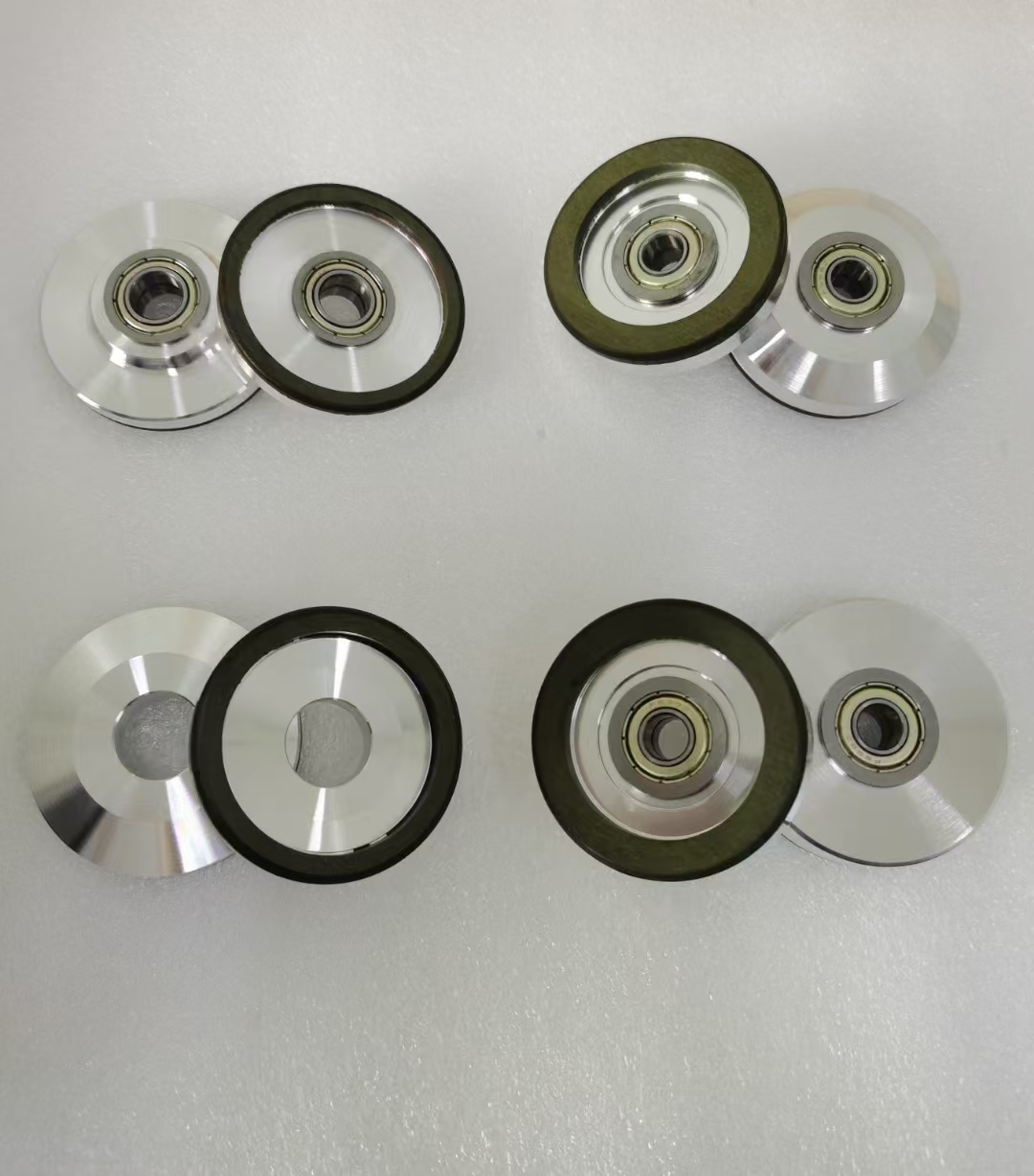
Diamond blades are designed to handle heavy wear. Instead of wearing down quickly like many abrasive blades, they expose new diamond particles as the blade edge works. This means the cutting performance stays more stable over time. On a busy site, this reduces the need to stop and replace blades frequently.
Fewer replacements also affect workflow directly. When crews do not need to pause for blade changes, they can keep moving between tasks more smoothly. This is especially useful in projects where repeated cuts are required across multiple materials. It helps maintain a steady pace instead of breaking the rhythm of the work.
They last longer under friction and heat. This is important when cutting dense materials like concrete or stone. It allows the blade to stay effective across many cycles of use.
They reduce the number of blade swaps. Each replacement takes time and interrupts progress. Fewer changes mean better time control on site.
They support consistent cutting performance. A blade that wears evenly keeps results predictable. That helps avoid uneven cuts and rework.
Cut quality matters more than many expect. In visible construction work, rough edges can lead to extra finishing steps or even material replacement. Diamond Blades for Circular Saws help reduce chipping because they grind the surface instead of tearing through it.
This becomes important when working on tile, stone, or decorative surfaces. A smoother cut edge means less correction work later. It also improves the overall look of the finished installation. When accuracy matters, the blade choice directly affects the final result.
Efficiency on site is not only about cutting speed. It also depends on how smoothly the process runs from one task to another. Diamond Blades for Circular Saws support a more stable workflow because they maintain performance across repeated cuts.
When a blade cuts consistently, operators do not need to adjust as often. They can follow a steady rhythm, which helps reduce mistakes and improves overall productivity. This becomes important when projects involve large volumes of similar cuts.
A clearer way to understand this is by looking at how they affect daily work:
They maintain stable cutting behavior. This reduces hesitation during operation and improves control.
They reduce unexpected interruptions. Fewer blade failures or slowdowns help keep the job on schedule.
They support repeatable results. When cuts stay consistent, fitting and assembly become easier.
Compared to blades that lose sharpness quickly, diamond blades help crews stay focused on the task instead of constantly adjusting tools. Hangjin’s positioning around reliable performance and customized solutions supports this type of application, especially when different materials require stable output across multiple stages.
The cost of a blade is not only about the purchase price. It is also about how many cuts it can deliver and how well it performs over time. Diamond Blades for Circular Saws often cost more upfront, but they tend to offer better value when used across longer projects.
To make this easier to compare, it helps to break the value into practical factors:
They reduce cost per cut over time. Even if the initial price is higher, longer use spreads the cost across more work.
They minimize material waste. Cleaner cuts mean fewer damaged edges and less discarded material.
They provide more stable operation. Reduced vibration and smoother cutting help improve control during use.
Different rim designs change how the blade behaves during cutting. Each type is built for a specific balance between speed and finish quality. Understanding these differences helps avoid using the wrong blade for the wrong material.
Segmented Rim – Built for Speed and Tough Materials
Segmented diamond blades for circular saws are designed for aggressive cutting. The gaps between segments allow better airflow and debris removal. This helps reduce heat buildup during cutting. They are commonly used on concrete, brick, and block where speed matters more than surface finish.
Continuous Rim – Focused on Smooth and Clean Edges
Continuous rim diamond blades for circular saws have a solid edge with no gaps. This design produces smoother cuts and reduces chipping. It is especially useful for tile, porcelain, and similar materials where appearance is important. The trade-off is slower cutting speed compared to segmented blades.
Turbo Rim – Balanced Performance for Mixed Tasks
Turbo diamond blades for circular saws combine features of both designs. The serrated edge improves cooling while maintaining better finish quality. They are often used for stone and granite where both cutting speed and edge control are needed.
The cutting method affects both blade performance and working conditions. Diamond Blades for Circular Saws can operate in wet or dry environments, and the choice depends on the jobsite setup.
Wet Cutting – Cooling and Dust Control
Wet cutting uses water to reduce heat during operation. It helps extend blade life and improves cutting smoothness. It also controls dust, which is important in enclosed areas or finish work. This method is often used when precision and cleanliness matter.
Dry Cutting – Flexibility and Convenience
Dry cutting does not require water, so it is easier to set up and move between tasks. It is commonly used outdoors or for quick cuts. However, it generates more heat and dust, so the operator needs to manage cutting speed and allow cooling breaks.
Choosing Based on Jobsite Conditions
The decision often depends on the environment. Indoor work usually favors wet cutting due to dust control. Outdoor or mobile work often uses dry cutting because it is more practical. Matching the method to the job improves both safety and efficiency.
Material type directly affects how a blade performs. Not all hard materials behave the same, and the bond holding the diamond particles must match the cutting surface.
Hard Materials – Require Faster Diamond Exposure
Materials like granite or dense stone need a softer bond. This allows worn diamond particles to release faster and expose new ones. It keeps the blade cutting efficiently instead of becoming dull.
Abrasive Materials – Need Slower Wear Rate
Materials such as asphalt or fresh concrete wear blades quickly. A harder bond helps slow down this wear. It extends blade life and keeps performance more stable over time.
Mismatched Bond – Leads to Poor Results
If the bond is too hard or too soft for the material, the blade will not perform well. It may overheat, cut slowly, or wear unevenly. This is one reason why application-based selection is important.
Hangjin emphasizes customized blade solutions and material matching. This supports the idea that different construction tasks require different blade designs rather than a single general-purpose option.
Even a high-quality blade must fit the tool correctly. Diamond Blades for Circular Saws need to match the saw’s specifications to perform safely and effectively.
Blade Diameter – Determines Cutting Depth
The diameter controls how deep the blade can cut. A larger blade allows deeper cuts, but it must match the saw’s capacity. Using the wrong size can reduce efficiency or strain the tool.
Arbor Size – Ensures Stable Installation
The arbor hole must match the saw exactly. A poor fit can cause vibration or instability during cutting. This affects both safety and cut quality.
RPM Rating – Controls Safe Operation
Every blade has a maximum speed rating. The saw should not exceed this limit. Running at the wrong speed can lead to overheating, faster wear, or safety risks.
Selecting the correct combination of size, fit, and speed helps the blade perform as intended. It also ensures smoother cutting and more reliable results across different construction applications.
Before starting any cutting task, it is important to inspect the blade carefully. A damaged blade can affect both performance and safety. Small cracks, missing segments, or uneven wear may not seem serious at first, but they can lead to unstable cutting or failure during operation. Taking a few minutes to check the blade condition helps avoid bigger problems later.
The installation process also needs attention. The blade must be mounted in the correct direction according to the rotation arrow. If it is installed incorrectly, cutting performance will drop and the blade may wear faster. The arbor fit should be tight and stable so the blade runs smoothly without vibration.
It is also necessary to check the surrounding setup. The saw guard should be in place and working properly. Personal protective equipment such as gloves, eye protection, and dust masks should be used depending on the environment. The workpiece should be stable and properly supported so it does not move during cutting. A stable setup helps maintain control and reduces the risk of accidents.
During operation, the blade should be allowed to cut at its natural speed. Forcing the blade into the material does not make the job faster. Instead, it increases heat and wear, which can shorten the blade’s lifespan. A steady and controlled approach usually delivers better results and keeps the cutting process smoother.
Proper handling also makes a difference. The saw should be guided evenly without sudden changes in direction. Keeping the blade aligned with the cut helps prevent binding and uneven edges. When the blade stays aligned, it cuts more efficiently and produces a cleaner result.
Feed pressure should remain consistent throughout the cut. Too much pressure can overload the blade, while too little can slow progress. Finding a balanced pace allows the blade to work as designed. Over time, this approach helps maintain cutting quality and reduces unnecessary strain on both the blade and the tool.
Heat and dust are two major factors that affect blade performance. Wet cutting is often used to reduce heat buildup and extend blade life. Water helps cool the blade during operation and also improves cutting smoothness. It is especially useful when working with materials that generate a lot of friction.
In dry cutting conditions, dust becomes more noticeable. Managing dust is important for both safety and visibility. Slowing down the cutting speed slightly and allowing short pauses can help prevent overheating. It also gives the blade time to cool between cuts, which reduces wear.
Basic maintenance habits can also improve long-term performance. Keeping the blade clean and checking for buildup after use helps maintain cutting efficiency. Storing the blade properly prevents damage between jobs. With consistent care and correct usage, Diamond Blades for Circular Saws can deliver stable performance across different construction tasks.
Diamond Blades for Circular Saws improve durability and cut quality. They support faster work and cleaner results in construction tasks. Choosing the right blade improves efficiency and reduces waste. Hangjin provides reliable blade solutions, offering stable performance, customization, and long service life for demanding jobsite needs.
A: Diamond Blades for Circular Saws are used for cutting concrete, stone, tile, and masonry materials efficiently.
A: Diamond Blades for Circular Saws last longer and provide cleaner cuts on hard construction materials.
A: Diamond Blades for Circular Saws grind materials smoothly, reducing chipping and improving accuracy.
A: Yes, Diamond Blades for Circular Saws can be used dry, but cooling helps extend blade life.
A: Choose Diamond Blades for Circular Saws based on material type, blade design, and cutting conditions.


