
T: +86-186-8927-7942
E: kemp@hangjin-machinery.com
E: kemp@hangjin-machinery.com
No. 107 Changning Road, Tongjing Town, Jiangning District, Nanjing, Jiangsu, China
Views: 0 Author: Site Editor Publish Time: 2026-04-09 Origin: Site


Struggling to cut hard materials cleanly? It often comes down to the blade you use. Diamond Circular Saw Blades offer better precision and durability. In this article, you will learn how they work and why they improve cutting results.
Diamond Circular Saw Blades are specialized cutting tools designed for handling extremely hard and dense materials. Instead of relying on traditional teeth, they use a steel core combined with diamond-embedded segments, allowing them to perform high-precision cutting in demanding environments. These blades are widely used in construction, stone processing, and industrial manufacturing where accuracy and durability matter most.
From a structural perspective, they typically include:
A high-strength steel core that provides stability during high-speed rotation
Diamond segments bonded to the edge, which perform the actual cutting work
A metal bond matrix that holds the diamonds and controls wear rate
Unlike conventional blades, they are not designed to slice through materials. They are engineered to grind and wear away surfaces gradually, which results in cleaner and more controlled cuts. This design is especially effective for materials like concrete, porcelain, and stone, where traditional blades would quickly fail.
The cutting process of Diamond Circular Saw Blades is fundamentally different from what most users expect. Instead of slicing through materials, these blades remove material through friction and abrasion, similar to how a grinding wheel works. This approach allows them to handle extremely hard surfaces without losing efficiency.
Here’s how the process works step by step:
The blade rotates at high speed
Diamond particles contact the material surface
Friction is generated, gradually grinding away the material
Worn diamonds are replaced as new ones are exposed from the bond
This continuous exposure of fresh diamond edges ensures that the blade maintains its cutting performance over time. It also explains why these blades last significantly longer than traditional alternatives.
In practical use, this means the blade does not become dull in the same way as a traditional blade. Instead, it gradually wears while continuously exposing new cutting edges. This is why users often experience consistent performance over long production cycles.
Another important aspect is heat management. During cutting, friction generates heat quickly. Diamond blades handle this better because their design allows:
Efficient heat dissipation
Reduced risk of warping
Compatibility with both wet and dry cutting
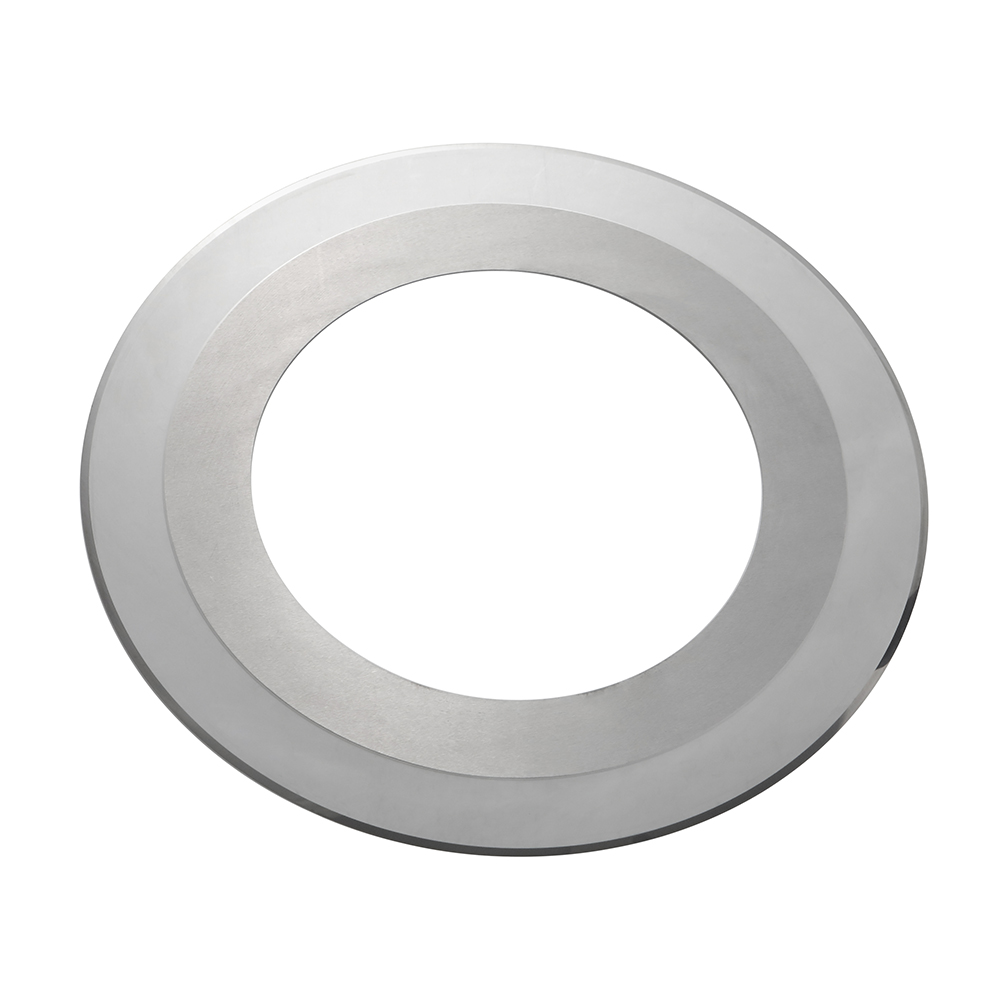
When we talk about Diamond Circular Saw Blades, the first thing we notice is how clean the cut looks. It feels different right away. Instead of rough edges or chipped surfaces, the blade produces a smooth and controlled finish, even on very hard materials. This matters a lot when you work on visible surfaces like tiles or stone.
The reason behind this precision comes from how the blade works. It doesn’t tear material apart like traditional blades. It grinds it down slowly and evenly. This reduces vibration, improves stability, and helps maintain consistent cutting lines.
Another major advantage we care about is durability. Diamond Circular Saw Blades are built to last much longer than standard cutting tools. Instead of wearing down quickly, they maintain performance over extended use.
This happens because of their structure. As the blade works, old diamond particles wear out, but new ones get exposed. So it keeps cutting efficiently instead of becoming dull.
In practical terms, this means:
They can last 25–50 times longer than abrasive blades
You replace them less often, which saves time
Production interruptions become much less frequent
Let’s look at how lifespan impacts usage:
| Factor | Diamond Circular Saw Blades | Abrasive / Steel Blades |
|---|---|---|
| Average Lifespan | Very long | Short |
| Replacement Frequency | Low | High |
| Downtime Impact | Minimal | Frequent interruptions |
| Cost per Cut | Lower over time | Higher over time |
Speed is something we always pay attention to. If a blade cuts faster without losing quality, it directly improves productivity. Diamond Circular Saw Blades perform well here because they handle heat and friction better than traditional options.
During cutting, heat builds up quickly. Many blades struggle with this. They slow down, lose sharpness, or even get damaged. Diamond blades, however, are designed to resist heat and maintain performance, which keeps the process smooth.
Another important point is debris handling. The design of diamond blades allows better removal of dust and particles, which helps maintain cutting consistency.
Key efficiency benefits include:
Reduced cutting time per task, even on dense materials
Better flow in continuous production environments
More predictable cutting results, reducing adjustments
In construction work, we often deal with materials that are extremely hard and abrasive. This is where Diamond Circular Saw Blades show their real value. They handle heavy-duty cutting tasks without losing stability, even during long operations. It feels more reliable, especially when working on demanding job sites.
These blades are commonly used for:
Cutting concrete slabs, where precision affects structural fitting
Slicing through asphalt surfaces, often in roadwork and repair
Shaping bricks and blocks, which require consistent edges for alignment
What makes them suitable is their ability to manage heat and friction during continuous cutting. They don’t break down easily, and they maintain performance even under pressure.
From a practical point of view, this leads to:
Fewer blade changes during large projects
More accurate cuts in structural materials
Better safety due to stable operation
When working on decorative materials, precision becomes even more important. Materials like granite, marble, and porcelain are not only hard but also brittle. If the blade is not suitable, it can easily cause chipping or uneven edges.
Diamond Circular Saw Blades are widely preferred in this field because they deliver clean and detailed cuts. Instead of forcing through the material, they grind it gradually, which helps preserve the surface quality.
Typical applications include:
Cutting granite and marble slabs for countertops
Trimming ceramic and porcelain tiles for flooring and walls
Shaping stone panels used in architectural design
Here’s a quick comparison of material compatibility:
| Material Type | Cutting Difficulty | Result with Diamond Blades | Result with Standard Blades |
|---|---|---|---|
| Granite | Very high | Smooth, precise | Rough, chipped |
| Marble | High | Clean edges | Uneven cuts |
| Porcelain | Very high | Minimal chipping | Frequent breakage |
| Ceramic Tile | Medium | Accurate finish | Inconsistent results |
Because of this, professionals prefer diamond blades for finishing work. It reduces material waste and improves the final appearance of the project.
In industrial environments, cutting is often part of a continuous production process. Here, consistency and efficiency are more important than anything else. Diamond Circular Saw Blades are used in many manufacturing sectors where precision and durability are required.
They are commonly applied in:
Precision slitting operations, especially in paper and film processing
Material cutting in plastics and composites, where consistency matters
High-speed production lines, where downtime must be minimized
Instead of focusing only on cutting power, these applications require balance. The blade must maintain accuracy, reduce vibration, and perform reliably over long cycles.
Diamond Circular Saw Blades are not limited to professionals. They are also very useful for homeowners and DIY users. When we work on small projects, we still want clean results and reliable tools.
These blades are often used for:
Cutting tiles during bathroom or kitchen renovations
Trimming paving stones for outdoor landscaping
Handling small concrete or brick adjustments
For DIY users, the main benefits are simplicity and reliability. Even without professional experience, it becomes easier to achieve clean cuts.
Important advantages for small-scale use:
Less effort required during cutting
Better results without advanced skills
Fewer blade replacements during a project
Another practical benefit is versatility. One diamond blade can handle multiple materials, which reduces the need to switch tools. This makes it a convenient choice for home improvement tasks where flexibility is important.
When choosing Diamond Circular Saw Blades, the first thing we need to think about is the material. Different materials behave differently during cutting, so the blade must match the job. If we ignore this, even a high-quality blade may perform poorly or wear out too quickly.
Hard materials like concrete or granite require blades designed to handle high resistance. Softer or more abrasive materials, such as asphalt, need a different bond structure to prevent excessive wear. For tile and porcelain, the focus shifts toward achieving clean edges and avoiding chipping.
Another important factor is whether we use wet cutting or dry cutting. Each method affects blade performance, cutting quality, and safety conditions. Understanding the difference helps us choose the right Diamond Circular Saw Blades for specific environments.
Wet cutting uses water during the process. It cools the blade, reduces friction, and minimizes dust. This method is often preferred for precision work, especially when cutting tiles or stone. It also helps extend the blade’s lifespan and improves overall cutting smoothness.
Dry cutting, on the other hand, is more convenient. It does not require water equipment, so it works well in outdoor or quick cutting situations. However, it generates more heat and dust, which can affect both blade durability and working conditions.
Here is a comparison to clarify:
| Cutting Method | Advantages | Limitations |
|---|---|---|
| Wet Cutting | Cooler operation, cleaner cuts | Requires water supply |
| Dry Cutting | More flexible, easy setup | More heat and dust |
Choosing between these methods depends on the project. For long or precision cuts, wet cutting is usually the better option. For short or outdoor jobs, dry cutting can be more practical.
We also need to make sure the blade fits the machine correctly. This is not just about performance, but also about safety. Even the best Diamond Circular Saw Blades will not work properly if the specifications do not match.
Blade diameter affects cutting depth. A larger blade can cut deeper, but it must be compatible with the saw. The arbor size must also match the machine shaft to ensure stable rotation. If there is any mismatch, the blade may vibrate or become unsafe.
RPM is another key factor. Each blade has a maximum speed rating. If the machine runs faster than the blade allows, it can cause damage or even accidents. Matching RPM ensures both efficiency and safety during operation.
Diamond Circular Saw Blades improve cutting precision and durability. They cut faster and last longer in tough materials. They also reduce waste and improve efficiency in daily work. Hangjin provides reliable blades with strong performance and customized solutions for many industries.
A: Diamond Circular Saw Blades are used for cutting concrete, stone, and tile materials.
A: Diamond Circular Saw Blades last longer and provide cleaner, more precise cuts.
A: Diamond Circular Saw Blades grind materials using embedded diamond particles.
A: Yes, Diamond Circular Saw Blades support both wet cutting and dry cutting tasks.
A: Choose Diamond Circular Saw Blades based on material, blade size, and machine compatibility.


