
T: +86-186-8927-7942
E: kemp@hangjin-machinery.com
E: kemp@hangjin-machinery.com
No. 107 Changning Road, Tongjing Town, Jiangning District, Nanjing, Jiangsu, China
Views: 0 Author: Site Editor Publish Time: 2026-04-02 Origin: Site


Cutting metal can be tricky, right? A wrong blade ruins results fast. Metal Cutting Circular Saw Blades solve this problem.They improve precision, reduce heat, and increase efficiency.In this article, you will learn how to choose the best blade for performance and durability.
Metal cutting blades are engineered differently from general-purpose blades. They are built to withstand heat, reduce friction, and maintain cutting accuracy under pressure. These differences come from both material selection and structural design.
High-Strength Materials
They use stronger materials such as tungsten carbide or high-speed steel. These materials help the blade stay sharp after repeated use. It makes them more reliable in long production cycles.
Optimized Tooth Geometry
The tooth design is carefully engineered for better performance. Many blades use Triple Chip Grind (TCG) patterns. This allows smoother cutting and improves chip removal while reducing friction.
Advanced Heat Control
They are optimized to manage heat during cutting. Metal cutting creates high temperatures quickly. These blades stay cooler, which helps prevent warping and protects both the blade and the material.
To better understand the difference, here is a clear comparison:
| Feature | Standard Blades | Metal Cutting Circular Saw Blades |
|---|---|---|
| Material | Basic steel | Carbide / HSS / advanced alloys |
| Heat Resistance | Low | High |
| Tooth Design | Simple | Precision (TCG, specialized) |
| Application | Wood, plastic | Steel, aluminum, metal sheets |
| Durability | Moderate | High |
Using the correct blade brings multiple advantages, especially when working with hard materials. It improves not only the final result but also the entire cutting process.
Cleaner cuts and reduced burrs
These blades produce smooth edges with minimal burr formation. That means less post-processing work is required. It also improves the overall quality of the finished product.
Longer blade lifespan
High-quality materials allow the blade to resist wear over time. Instead of frequent replacements, users can rely on longer service intervals. This reduces downtime and saves operational costs.
Improved safety and cutting stability
A stable blade reduces vibration during cutting. Less vibration means better control and lower risk of accidents. It also ensures more accurate and consistent cutting results.
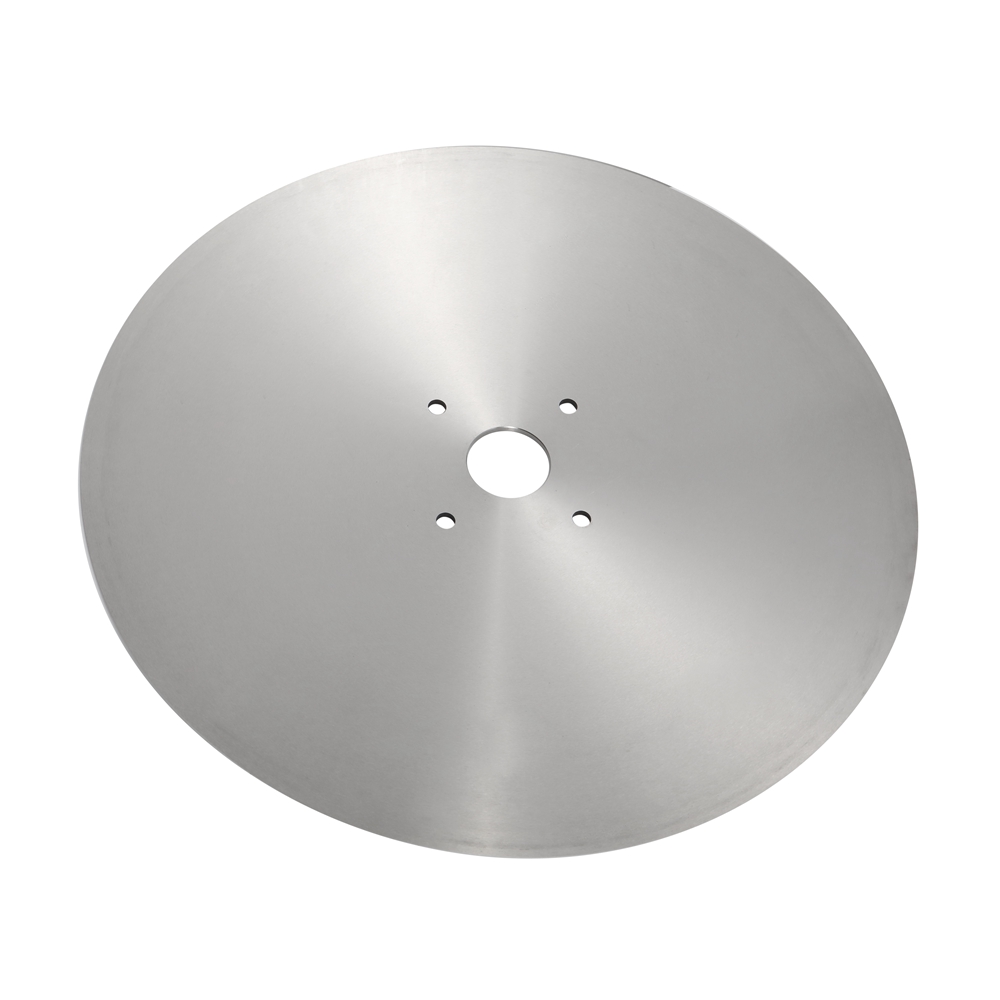
Tungsten carbide blades are widely used when precision matters. They are built using carbide-tipped teeth, which are much harder than standard steel. Because of this, they can maintain sharpness even after long periods of cutting metal.
Excellent Wear Resistance
They offer strong resistance to wear during cutting. This allows them to stay sharp for a longer time. Even when cutting tough materials like stainless steel, performance remains stable.
Clean and Smooth Cutting Results
They produce smooth cuts with minimal burrs. This reduces the need for extra finishing work. It also improves overall cutting efficiency and surface quality.
High-Speed Cutting Performance
They perform well in high-speed operations. This helps increase productivity in industrial environments. At the same time, cutting quality is not compromised.
High Speed Steel blades are a practical option when we need strength and flexibility. They are not as hard as carbide, but they are tougher and more resistant to impact. This makes them suitable for continuous and heavy-duty cutting operations.
Cost-Effective Performance
They are more affordable compared to carbide blades. This helps reduce costs in large-scale production. At the same time, they still deliver reliable cutting results.
Strong and Durable Structure
They can handle repeated cutting cycles under pressure. Their toughness helps prevent cracking or breaking. This makes them ideal for demanding industrial use.
Easy Resharpening and Maintenance
They are easier to resharpen after use. This extends their service life and reduces replacement needs. It also helps maintain consistent cutting performance over time.
Tooth design plays a major role in how a blade performs. It affects cutting speed, smoothness, and heat generation. Even if two blades use the same material, their tooth structure can change the outcome completely.
Triple Chip Grind (TCG) is commonly used for metal cutting. It alternates between flat and trapezoidal teeth, which helps reduce friction and produce burr-free cuts.
Higher tooth count gives smoother finishes. However, it may slow down cutting speed slightly.
Lower tooth count allows faster cutting. It is useful for thicker materials but may produce rougher edges.
Modern Metal Cutting Circular Saw Blades often include coatings and special treatments. These features improve performance, especially under demanding conditions. They help reduce friction, control heat, and protect the blade surface from damage.
Anti-friction coatings reduce resistance during cutting. This allows the blade to move more smoothly through the material and stay cooler during operation. Heat-resistant layers prevent overheating, which helps protect both the blade and the workpiece from damage. Corrosion-resistant coatings also extend blade life, especially in humid or harsh environments where rust and wear can occur more easily.
Some advanced blades also include laser-cut stabilizer vents. These features help reduce vibration and noise during cutting, creating a smoother and more stable operation. Hangjin integrates advanced materials and precise manufacturing techniques into its blades, ensuring consistent performance across a wide range of industrial applications.
Different metals behave very differently during cutting. Some are soft and easy to cut, while others are hard and generate more heat. Because of this, we need to match the blade material and strength to the metal type.
Steel and stainless steel are harder materials. They require strong blades, often carbide-tipped, to maintain sharpness under pressure. If we use a weak blade, it dulls quickly and creates rough edges.
Aluminum and non-ferrous metals are softer. They require blades designed for smooth cutting and chip removal. Too aggressive a blade may cause clogging or uneven cuts.
Thickness also matters. Thin sheets need high tooth count blades for smooth edges. Thick metals require fewer, stronger teeth to handle the load.
Here is a simple guide:
| Metal Type | Recommended Blade Type | Key Requirement |
|---|---|---|
| Stainless Steel | Tungsten Carbide (TCT) | High strength, heat resistance |
| Mild Steel | HSS or Carbide | Balanced durability |
| Aluminum | Fine-tooth Carbide | Smooth cutting, chip control |
| Thin Sheet Metal | High tooth count blade | Clean finish, minimal burr |
| Thick Metal | Low tooth count blade | Strong cutting power |
Blade size and machine compatibility are critical. Even a high-quality blade will fail if it does not match the machine properly. We need to check several parameters before making a decision.
Blade diameter must match the saw. If it is too large or too small, the blade will not operate safely.
Arbor size ensures proper mounting. A mismatch causes wobbling, which leads to poor cutting accuracy and safety risks.
Kerf (thickness) affects cutting speed and material waste. Thin kerf blades cut faster but may be less stable. Thicker blades are stronger but remove more material.
RPM compatibility is essential. Each blade is designed for a specific speed range. Running it too fast or too slow reduces performance and may damage the blade.
When choosing Metal Cutting Circular Saw Blades, we always face a trade-off. Faster cutting often means rougher edges, while smoother finishes may reduce speed. So we need to balance these two factors based on our project.
Faster cutting blades usually have fewer teeth. They remove material quickly, which is useful for thick metals or rough work. However, the cut surface may not be perfectly smooth.
Precision blades have more teeth. They produce clean edges and reduce burrs, but they cut more slowly.
Tooth design also matters. For example, TCG designs improve both smoothness and heat control. They are often used when we need both speed and quality.
Durability is one of the most important factors when selecting a blade. Metal cutting generates heat, and heat affects blade life directly. If the blade overheats, it loses sharpness quickly and may even warp.
Heat buildup is caused by friction. Good blades reduce friction through material quality and coatings. This helps maintain performance over time.
Wear resistance ensures the blade stays sharp longer. Carbide-tipped blades usually perform better in this area.
Maintenance also plays a role. Even the best blade needs proper care to last.
When we combine proper selection and basic maintenance, we can significantly extend blade life and improve cutting results in everyday work.
When we talk about high-performance Metal Cutting Circular Saw Blades, material quality is always the starting point. The type of material used in the blade directly affects how it performs under pressure, how long it stays sharp, and how consistent the cutting results are. High-grade materials such as carbide and premium steel are commonly used because they can handle the hardness and resistance of metal without losing their edge too quickly. This allows the blade to maintain accuracy even after repeated use.
Manufacturing precision also plays a critical role in how the blade performs. A well-manufactured blade has balanced structure, uniform tooth geometry, and consistent edge sharpness. These details may seem small, but they greatly influence cutting stability and overall performance. Companies like Hangjin focus on advanced production methods and precision grinding processes. This helps ensure that each blade delivers reliable results in real working conditions, especially in industrial environments where consistency matters.
Heat is one of the biggest challenges when cutting metal. As the blade moves through the material, friction builds up quickly. If this heat is not controlled, it can damage both the blade and the workpiece. High-performance Metal Cutting Circular Saw Blades are designed to manage this heat effectively. They use optimized structures and materials that help reduce friction during operation, allowing the blade to stay cooler for longer periods.
Vibration control is equally important. Excessive vibration can lead to inaccurate cuts, increased noise, and faster wear on the blade. Modern blades often include features such as stabilizer structures that improve balance during rotation. When vibration is reduced, the blade runs more smoothly, and the user gains better control over the cutting process. This combination of heat control and stability results in cleaner cuts and a more comfortable working experience.
Durability is a key factor when selecting Metal Cutting Circular Saw Blades. A blade that maintains its sharpness over time can significantly reduce the need for frequent replacements. This not only saves money but also minimizes downtime during production. High-performance blades are designed to resist wear and maintain cutting efficiency even under demanding conditions. They provide consistent results across multiple cutting cycles, which is especially important in industrial applications.
Cost efficiency is not just about the initial price of the blade. It is about how long the blade lasts and how well it performs over time. A cheaper blade may seem attractive at first, but if it wears out quickly, it ends up costing more in the long run. On the other hand, a high-quality blade delivers stable performance and longer service life.
Not all cutting tasks are the same, and this is where customization becomes important. Different industries and applications require different blade specifications. Factors such as material type, cutting speed, and machine setup all influence the ideal blade design. High-performance Metal Cutting Circular Saw Blades often support customization to meet these specific needs. This includes variations in size, material composition, and edge design.
Application-specific design ensures that the blade performs optimally in its intended environment. For example, a blade used for thin sheet metal requires a different configuration than one used for thick structural steel. By tailoring the blade to the application, users can achieve better precision, efficiency, and safety. Hangjin provides customized solutions based on these requirements, allowing users to match the blade closely to their operational needs.
Choosing the right blade improves cut quality and safety. Material, design, and size all affect performance. Hangjin offers durable blades with precision cutting and customization, helping users achieve efficient, stable, and long-lasting metal cutting results.
A: Metal Cutting Circular Saw Blades cut steel, aluminum, and other metals efficiently.
A: Match Metal Cutting Circular Saw Blades to material type, thickness, and machine specs.
A: Metal Cutting Circular Saw Blades handle heat better and produce cleaner cuts.
A: Metal Cutting Circular Saw Blades with carbide last longer, while HSS is more cost-effective.
A: Keep Metal Cutting Circular Saw Blades clean, cool, and properly matched to the task.


