
T: +86-186-8927-7942
E: kemp@hangjin-machinery.com
E: kemp@hangjin-machinery.com
No. 107 Changning Road, Tongjing Town, Jiangning District, Nanjing, Jiangsu, China
Views: 0 Author: Site Editor Publish Time: 2026-04-23 Origin: Site


Is every Circular Saw Blade really right for the job? Not quite. The right blade can improve cut quality, reduce waste, and support smoother production. In this article, we explore the top 5 options, their features, benefits, and what users value most.
A Tungsten Carbide Circular Saw Blade stands out because it is built for control, not only speed. When we look at precision slitting work, clean edges matter more than aggressive cutting. That is why this blade type is often preferred in operations where accuracy, repeatability, and stable output come first. It keeps the cutting line neater, helps reduce edge defects, and supports more consistent production results.
It also performs well in demanding processing environments. In slitting applications, even a small drop in sharpness can affect quality. A tungsten carbide design helps resist wear better than many standard blade options. That makes it a strong fit for jobs that involve long runs, tighter tolerances, or materials that need a cleaner finish. For a buyer comparing the Top 5 Circular Saw Blade options, this one usually attracts attention for precision-focused work.
A major advantage of this Circular Saw Blade is its ability to maintain a useful edge for longer periods.
Long-Lasting Edge Retention
This Circular Saw Blade stays effective for a longer time. In precision slitting, blade wear usually appears little by little, not all at once. The cut becomes less smooth, waste starts to rise, and operators need more corrections. A blade that keeps its edge longer helps slow that decline and makes production easier to control.
Better Consistency in Repeated Cutting
Many buyers do not only want a sharp blade at the start. They want one that performs in a steady way through repeated cutting cycles. That matters a lot in converting, paper processing, and other accuracy-focused work. A precision slitting blade supports that need because it is chosen for cleaner control and more reliable output.
Stronger Long-Term Production Value
Teams often look beyond the first purchase price when they choose a blade for high-accuracy work. They pay attention to replacement frequency, cutting stability, and how much waste the blade may help prevent. A tungsten carbide option gives value in that kind of comparison because it supports total production performance, not only initial cost.
Improved Cutting Quality for Sensitive Applications
This Circular Saw Blade is also useful when the finished edge needs to stay neat and uniform. In precision slitting, rough edges can affect the next processing step and reduce final product quality. A more stable blade helps protect the material and supports a cleaner result. That is why it often feels like an important production tool, not just a spare part.
Users usually respond well to blades that make daily work easier. In this case, what they often like most is the cut quality. A Tungsten Carbide Circular Saw Blade tends to appeal to users who notice edge finish, cutting smoothness, and performance consistency. They are not only looking for something sharp on day one. They want something that stays dependable as production continues.
They also value reliability over time. In many cutting environments, frequent blade changes create downtime and extra labor. If a blade can keep performing without fast decline, users often see it as a better practical choice. That does not mean every job needs the same blade. Still, for precision slitting applications, this one often earns stronger attention because it is aligned more closely with that purpose.
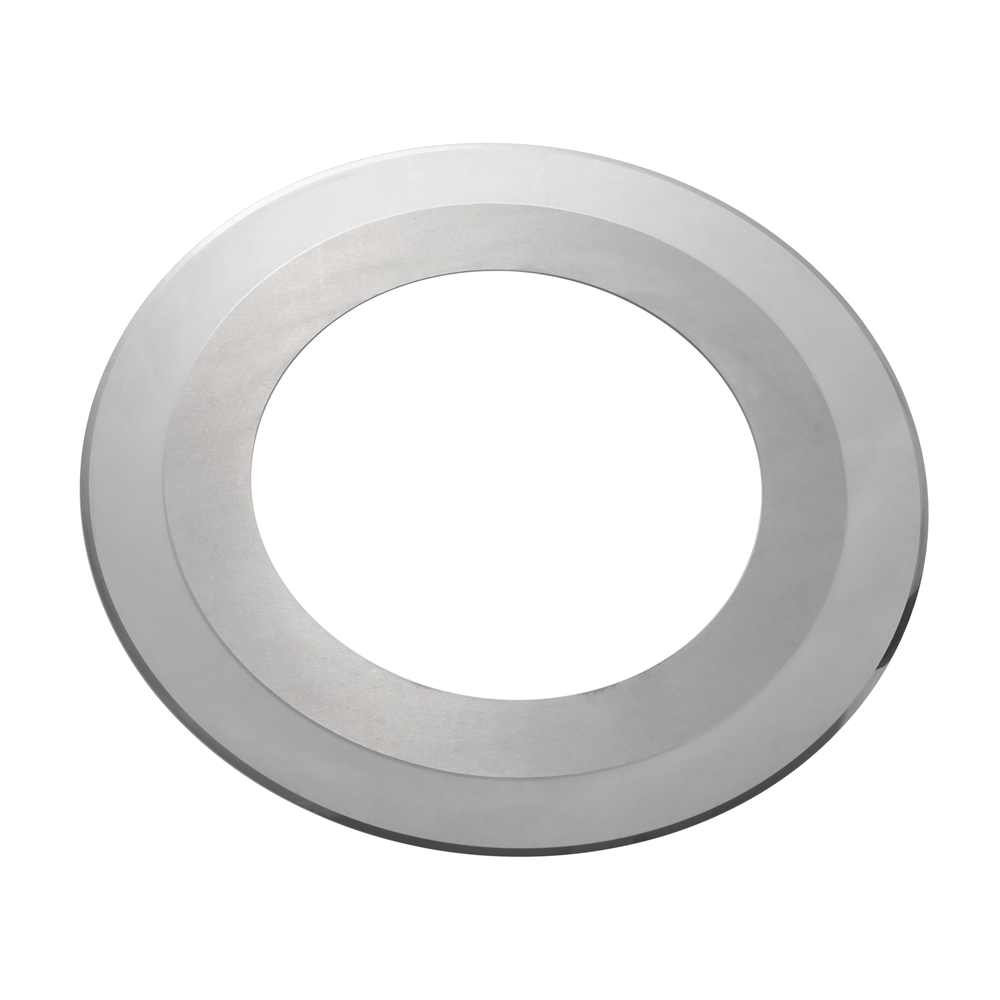
A High Speed Steel Circular Saw Blade is a practical choice because it is built for work, not just for light use. In industrial cutting, we often need a blade that can keep going through repeated cycles without losing control too quickly. That is where HSS stands out. It offers a useful mix of toughness, durability, and steady cutting behavior, which makes it easier to trust on busy production lines.
It also fits a wider range of factory tasks than many people expect. Some blades are chosen for one narrow job. This one feels more flexible. It can serve operations that cut paper, cardboard, film, plastics, and other production materials, depending on machine setup and application needs. For buyers reviewing the Top 5 Circular Saw Blade options, this type often looks attractive because it supports daily industrial work in a practical way.
Here are several reasons why manufacturers often view it as a dependable option:
| Industrial Need | Why It Matters | Why This Circular Saw Blade Fits |
|---|---|---|
| Repeated cutting | Production lines require stable output over time | HSS helps support reliable ongoing use |
| Tough working conditions | Heat, friction, and long runs can affect blade behavior | It is chosen for durable industrial service |
| Broad application range | Factories often process more than one material type | It adapts better than narrow-use blades |
| Practical purchasing value | Buyers want performance without excessive cost pressure | It offers a balanced industrial solution |
The main advantage of this Circular Saw Blade is its balanced industrial performance.
Stable Cutting Performance
Some blades focus too much on extreme precision, while others are built mainly for speed. A High Speed Steel blade offers a more balanced approach. It delivers steady cutting results, supports reliable operation, and helps reduce disruption caused by frequent blade changes. That makes it a practical option for buyers who want dependable value over time.
Good Versatility Across Materials
Its versatility is another strong advantage. On many factory floors, one line may cut paper, another may process cardboard, and another may handle film or similar materials. A blade that works across several tasks can make purchasing simpler and reduce the need for too many specialized options.
Lower Downtime in Daily Operations
A blade that performs in a stable way can help reduce unnecessary interruptions during production. It allows operators to keep the line running more smoothly and spend less time dealing with early wear or repeated adjustments. That kind of performance is important in industrial settings where uptime affects overall output.
Strong Balance Between Cost and Performance
This Circular Saw Blade is appealing because it offers useful performance without forcing buyers into an overly specialized choice. It may not be designed for every exact cutting condition, but it fits a wide range of industrial uses well. That balance between flexibility, durability, and practical cost makes it a valuable option for many factories.
A few practical benefits become clearer during longer production runs:
Operators may spend less time making small corrections.
Production teams may see fewer interruptions from rapid edge decline.
Purchasing teams may find it easier to justify because it combines durability and usability.
It often feels like a reliable middle-ground choice when extreme specialization is not required.
This kind of value matters more in industrial settings than many buyers first realize. The price of a blade is only one part of the decision. What really matters is how it behaves over time. If a blade can stay useful, keep cuts consistent, and reduce unnecessary stoppages, it can create real savings even before we look at replacement cost alone.
User feedback on a High Speed Steel option usually centers on reliability. Buyers often want to know one thing first: can it keep working well in real industrial conditions? For this type of Circular Saw Blade, comments often focus on dependable cutting ability, useful service life, and how well it performs across different factory tasks. Those are practical concerns. They come from daily use, not just from technical expectations on paper.
Another theme in user-style feedback is durability without too much complexity. Many industrial buyers do not need a blade that sounds impressive in theory. They need one that does its job consistently. When users respond well to an HSS blade, they are usually reacting to that steady, workable performance. It cuts reliably, lasts reasonably well, and supports production without demanding constant attention.
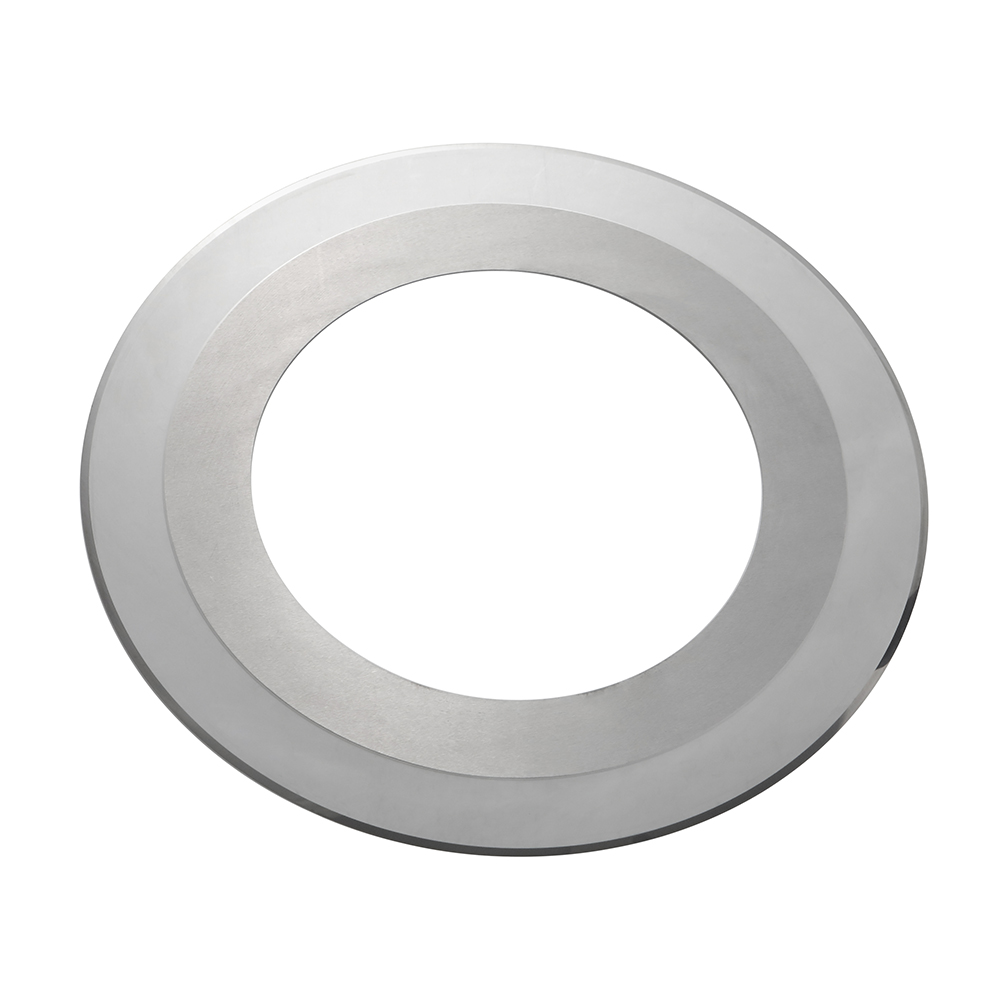
A Paper Circular Saw Blade is a practical choice for factories that need clean, efficient cutting in daily converting work. It fits paper converters, packaging manufacturers, and nonwovens producers that care about edge quality, stable output, and machine compatibility. In these operations, cutting performance affects waste, productivity, and finished product appearance.
It is especially suitable for users who process different paper-based materials on one line or across several lines. Instead of choosing a narrowly limited blade, they often need a broader paper-processing solution that supports steady performance in routine production.
Paper converters usually need smooth cuts and repeatable results.
Packaging manufacturers often focus on clean edges and lower waste.
Nonwovens producers value stable cutting and reliable daily use.
Multi-line factories prefer flexible solutions that fit several tasks.
| Buyer Type | Main Need | Why This Blade Fits |
|---|---|---|
| Paper converters | Consistent output | Supports smooth, controlled cutting |
| Packaging manufacturers | Clean processing | Helps reduce edge defects and waste |
| Nonwovens producers | Stable daily use | Offers reliable production performance |
The main strength of this Circular Saw Blade is its balance between precision and efficiency. In paper processing, rough cuts can increase scrap and create problems in later production steps. A blade designed for converting work helps keep the cut smoother and the process more stable.
It also supports better machine matching. Customizable sizes and designs make it easier for manufacturers to choose a blade that suits their actual equipment instead of forcing a standard size into every application.
Micron-level cutting accuracy helps improve consistency.
Smooth cutting results support cleaner finished edges.
Customizable sizes and designs improve equipment fit.
Better production efficiency helps reduce waste and rework.
| Feature | Practical Benefit |
|---|---|
| Micron-level accuracy | More precise cutting |
| Smooth edge quality | Better finished appearance |
| Custom specifications | Easier machine matching |
| Efficient cutting behavior | Lower material waste |
Users often like this Paper Circular Saw Blade because it performs reliably in normal production. They usually focus on whether it keeps cutting quality stable, fits processing equipment well, and handles different paper-based materials without causing frequent issues.
It also appeals to buyers who want a dependable blade for everyday use, not just short-term sharpness. In converting environments, that kind of steady performance often matters more than aggressive cutting speed.
A Slitting Machine Disk Blade is different because it is made for machine-based cutting, not broad general use. It is designed for slitting lines that run at higher speeds and need stable control through continuous operation. In this setting, a standard blade may cut, but it may not deliver the same consistency or confidence during long runs.
This Circular Saw Blade is more targeted. It supports smoother control, better line stability, and more predictable cutting behavior. That makes it a stronger fit for factories that depend on machine rhythm and repeatable output.
| Blade Type | Typical Use Style | Main Advantage |
|---|---|---|
| General blade | Wider basic cutting tasks | Broader use range |
| Slitting machine disk blade | High-speed machine production | Better stability and control |
The main value of this Circular Saw Blade is operational stability. In slitting work, vibration, uneven cutting, or poor fit can affect both quality and line efficiency. A disk blade designed for slitting machines helps reduce those issues and supports smoother performance during repeated cutting cycles.
It also improves production flow. Better compatibility helps the blade work more naturally on machine-based setups, while smoother cutting can reduce waste and lower the need for constant correction.
| Feature | Practical Benefit |
|---|---|
| Reduced vibration | More stable machine operation |
| Precise cutting | Cleaner slit results |
| Better compatibility | Easier use on production equipment |
| Higher efficiency | Stronger line performance |
Users usually value this blade for how it performs under real machine conditions. They often focus on whether it stays stable at speed, whether it feels reliable in continuous slitting work, and whether it supports better daily operation on the line. Those points matter more than simple sharpness alone.
It also earns attention because it fits machine-based production well. Buyers who run slitting equipment often prefer a blade that matches that environment instead of a broader blade that may feel less controlled in fast, repeated use.
Stable cutting at speed is one of the most common user priorities.
Better operating confidence helps reduce concern during long runs.
Reliable performance in slitting applications supports routine production.
Strong relevance for machine-based production makes it easier to choose.
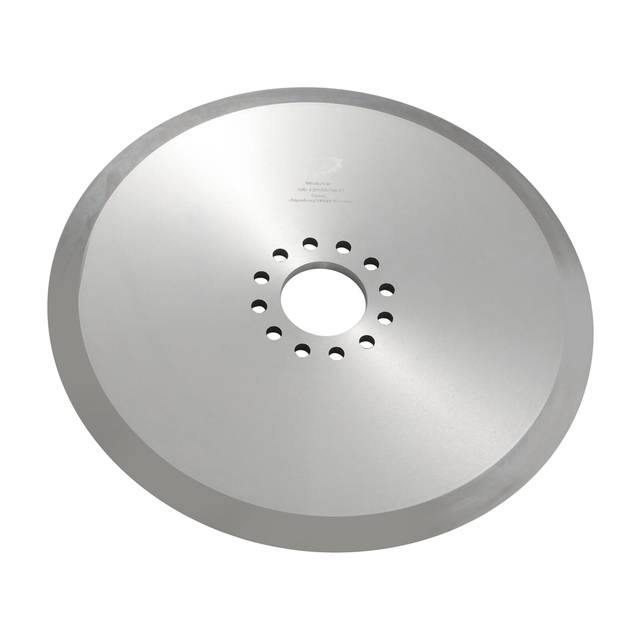
A Corrugated Cardboard Blade is important because packaging lines need clean, repeatable cutting every day. In corrugated board processing, rough edges can affect folding, stacking, and final product appearance. A blade designed for this work helps keep board edges neater and supports a more stable production flow.
It is also more suitable for packaging operations than a general cutting blade. This Circular Saw Blade is aimed at corrugated cardboard processing, so it fits the needs of box production, sheet cutting, and other board-handling tasks more closely. For factories that run repeated cardboard jobs, that kind of application match matters.
| Packaging Need | Why It Matters | Why This Blade Fits |
|---|---|---|
| Clean board edges | Better appearance and handling | Built for cardboard cutting |
| Repeated production | Lines need steady performance | Suits ongoing packaging work |
| Material-specific control | Corrugated board needs proper cutting behavior | More targeted than general blades |
The main strength of this Circular Saw Blade is its ability to deliver smoother cardboard cutting in packaging production.
• Sharp Edge for Cleaner Cuts
A sharp edge helps the blade move through corrugated material more cleanly. This can improve board edge quality and reduce surface damage during processing. It is especially useful in packaging work where clean cutting supports better folding, stacking, and finished appearance.
• Reduced Friction During Cutting
Lower friction helps the cutting process stay smoother through repeated runs. When the blade moves more efficiently through the board, it can reduce unnecessary resistance and support steadier machine performance. That makes daily production easier to manage.
• Less Heat Buildup in Repeated UseReduced heat buildup is another practical benefit. In long production runs, excess heat can affect cutting stability and material condition. A blade that helps control heat can support more consistent operation and reduce line interruptions.
• Better Efficiency and Lower Waste
When cutting stays cleaner and more stable, factories may see less waste on the line. They may also spend less time dealing with rough edges or cutting issues. This makes the Circular Saw Blade a stronger fit for corrugated board processing where efficiency matters every day.
User feedback often focuses on whether the blade performs well in real packaging work. For this type of Circular Saw Blade, buyers usually care about clean cutting, line efficiency, and how well it handles repeated corrugated board processing. Those points are more useful to them than broad technical claims alone.
It also gets positive attention because it feels relevant to the job. Buyers in packaging often prefer a blade made for corrugated cardboard instead of a more general option. That stronger application match can make purchasing decisions easier and daily use more predictable.
Clean cutting performance is one of the most common positive points.
Good efficiency in packaging lines matters for daily output.
Useful for repeated cardboard processing adds practical value.
Strong fit for application-specific production gives buyers more confidence.
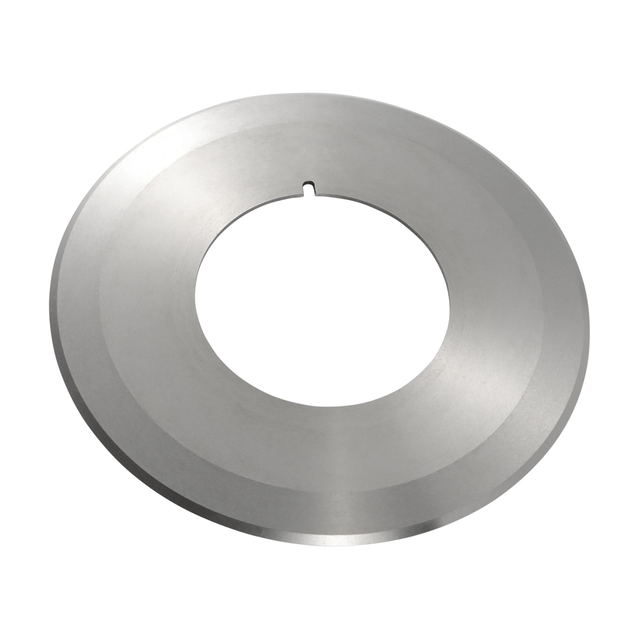
Choosing the right Circular Saw Blade depends on cutting goals, material type, and machine needs. Hangjin offers five practical options for precision slitting, industrial cutting, paper converting, slitting stability, and corrugated packaging work. Its blades help improve cut quality, reduce waste, and support steady production, while custom sizing and application-focused designs give buyers stronger value in daily operations.
A: A Circular Saw Blade is a round cutting tool for precise material processing.
A: A tungsten carbide Circular Saw Blade is best for clean, accurate slitting.
A: It offers tough, stable cutting for repeated industrial tasks.
A: A paper Circular Saw Blade fits paper, packaging, and nonwovens processing.
A: A corrugated cardboard blade supports smooth cuts and efficient packaging production.


