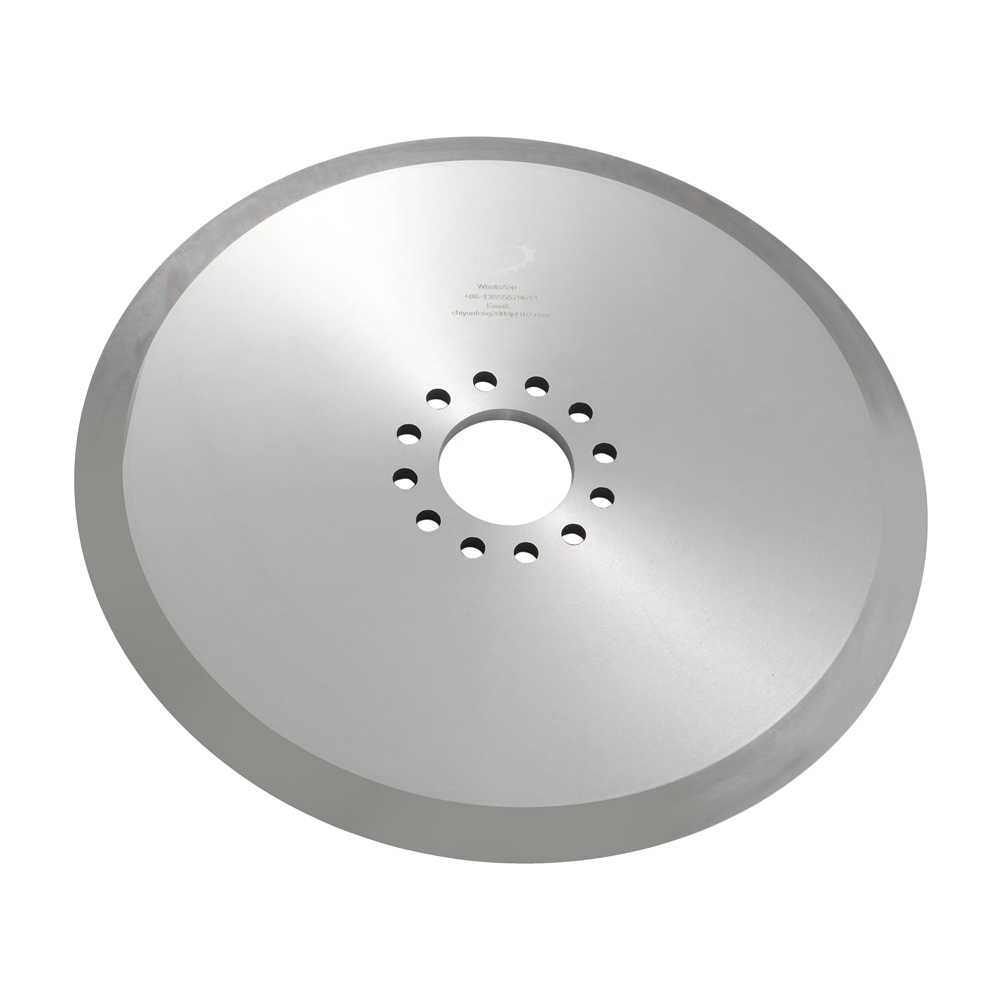
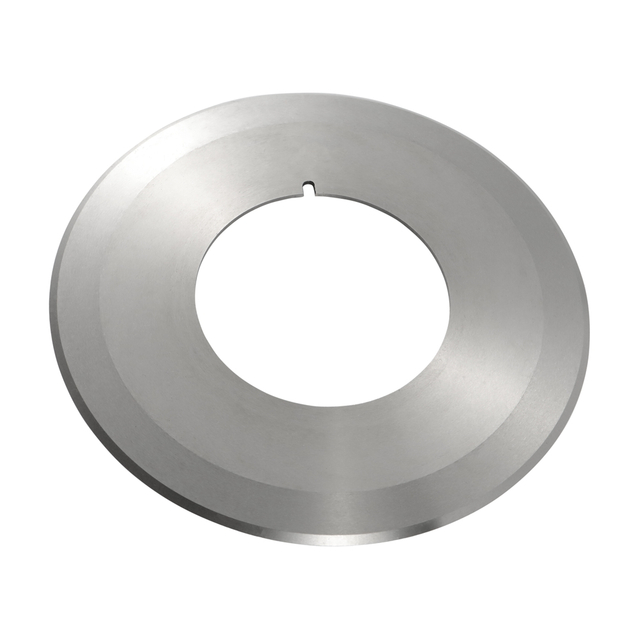
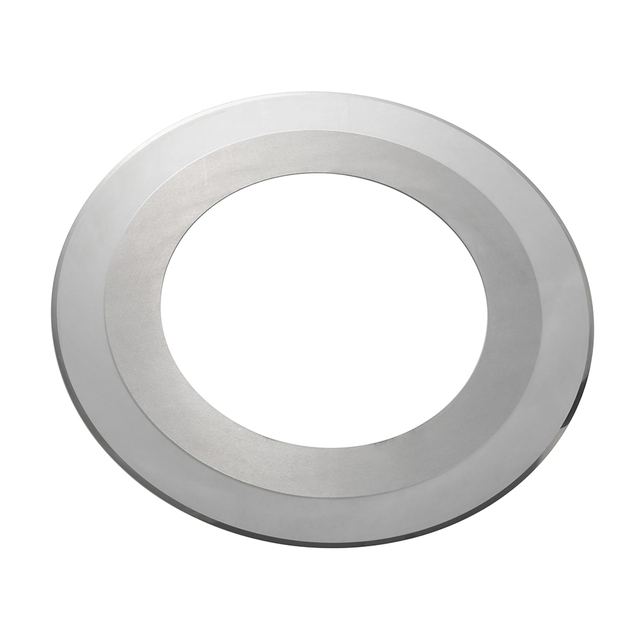
Tungsten Carbide Disk Blade for Continuous Slitting Lines
You are here: Home » Products » Circular Blade » Slitting Machine Disk Blade » Tungsten Carbide Disk Blade for Continuous Slitting Lines

Tungsten Carbide Disk Blade for Continuous Slitting Lines

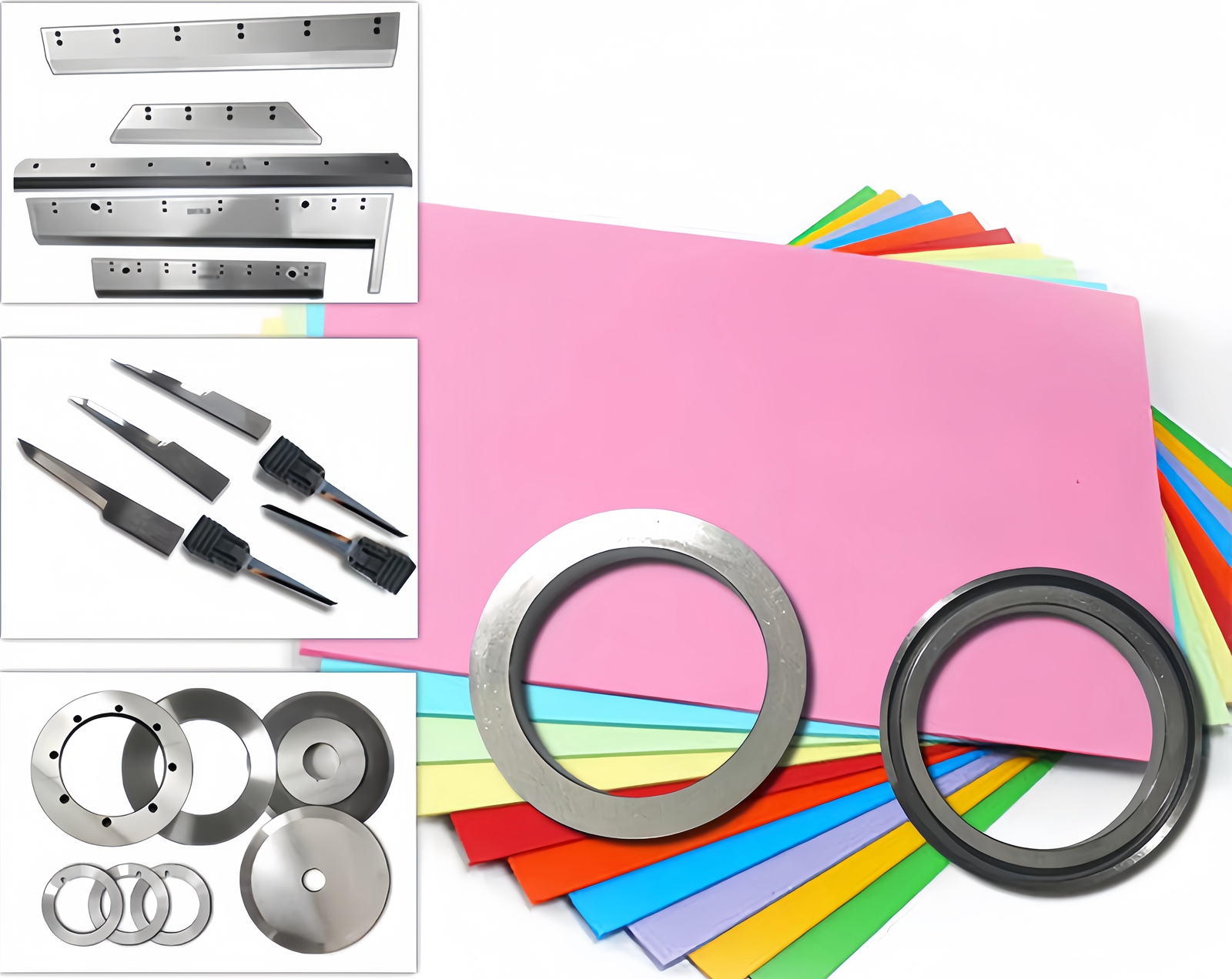
1. Top and Bottom Slitting Knives for Paper Processing Making Industry.
We support the paper processing industry with efficient blades and knives.
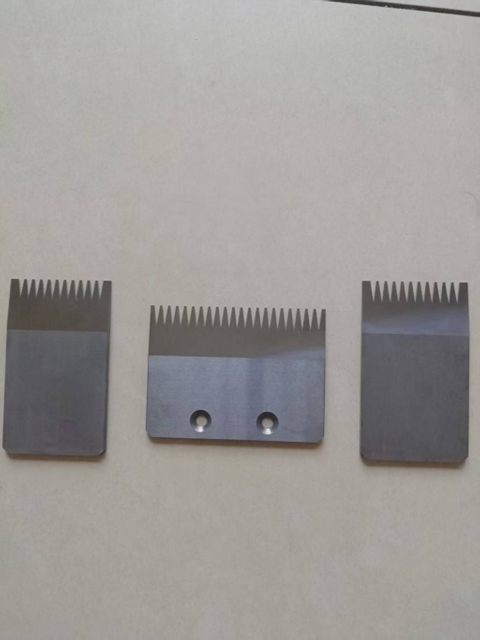
Including but not limited: Top and Bottom Slitting Knives, Multi-groove Knife, Circular Dished Knife, Cross Cutting knife, Cut-off,
2. Knives and Accessories for the Tissue Converting Industry. (Can be customized according to drawings)
Including but not limveited: Top and Bottom Slitting Knives, Log Saw Blades, CBN grinding wheels, Perforation and anvil knives, Handkerchief knives, Packaging knives, Napkin knis, Cross Cutting knife, etc.
3. Machine Knives for Corrguated Cardboard Industry
We supply standard and custom designs. Our product range for the corrguated cardboard industry includes:
Including but not limited: carbide slitting knife, Cross Cutting knife, Circular Knives and Straight Knives with and without teeth, grind wheel, etc.
Availability:
Quantity:
facebook sharing button
twitter sharing button
line sharing button
wechat sharing button
linkedin sharing button
pinterest sharing button
whatsapp sharing button
kakao sharing button
snapchat sharing button
telegram sharing button
sharethis sharing button

横幅展示


Our tungsten carbide slitting machine disk blades are meticulously engineered to deliver reliable precision, exceptional durability, and superior cutting efficiency. Designed for demanding industrial environments, these blades represent an ideal choice for manufacturing facilities requiring high-performance continuous slitting solutions. By focusing on the core challenges of modern production lines, we have developed a product that directly contributes to optimizing your operational workflow and maximizing overall output.

Exceptional Wear Resistance and Extended Lifespan

Crafted from premium-grade tungsten carbide materials, these blades are specifically formulated to withstand the rigorous demands of continuous slitting lines. This exceptional wear resistance ensures a significantly longer operational lifespan compared to conventional alternatives. For procurement managers and production supervisors, this translates directly into a reduced frequency of blade replacements, minimized unexpected machine downtime, and substantially lower ongoing maintenance costs. The extended tooling life allows your facility to maintain continuous production cycles, thereby enhancing overall operational efficiency.

High-Precision Cutting for Reduced Material Waste

The advanced geometric design of our slitting blades guarantees precise, burr-free, and clean cuts during every operation. In industrial slitting, material waste can severely impact production costs. Our blades are engineered to minimize this waste by ensuring consistent edge quality throughout the entire cutting process. Whether your facility is processing heavy-duty metal coils, delicate paper rolls, or flexible packaging films, these disk blades maintain their sharp cutting profile. This reliable performance ensures that your end products meet strict quality standards, reducing reject rates and maximizing the yield from your raw materials.

Robust Construction for Superior Operational Stability

High-speed slitting operations require tooling that can perform without compromising safety or accuracy. Our disk blades feature a highly robust construction designed to maintain absolute structural stability even under intense, continuous operations. This specialized design effectively absorbs and reduces mechanical vibrations during the cutting process. Lower vibration levels not only result in smoother, more accurate cuts but also protect the slitting machinery from excessive wear and tear. Furthermore, this enhanced stability significantly improves operational safety for your machine operators, creating a more secure working environment.


产品展示


Broad Machinery Compatibility and Customization

Understanding that every production facility has unique requirements, our slitting machine disk blades are designed for maximum versatility. They are highly compatible with a wide range of standard and specialized slitting machinery used across various global industries. Beyond standard configurations, we offer comprehensive customization capabilities to meet specific application needs. Whether you require tailored edge profiles or specific mounting configurations, our engineering team can provide cutting solutions that integrate effectively into your existing production setup, ensuring you achieve the exact cutting performance required for your specific industry applications.

By choosing our advanced slitting machine disk blades, you are investing in a reliable, high-quality cutting solution. These blades are designed to optimize your entire production process, consistently delivering exceptional results that support your long-term manufacturing goals.

产品展示与其他产品

Selecting the correct material grade and dimensional specifications is essential for maximizing the performance and lifespan of tungsten carbide disk blades in continuous slitting lines. The following technical parameters provide a comprehensive cross-reference of international steel grades and standard dimensions. These details are designed to help engineers and procurement teams accurately match tooling requirements to specific slitting machinery, ensuring optimal cutting precision and reducing selection risks.

Industrial Blades Material Steel Grade Table
Categories China(GB/T YB) Euro(DIN/BS/NF) American(AISI) Japan(JIS) ISO
Alloy 9CrSi ― ― ― ―

6CrW2Si ― ― ― 50WCrV8
Tool Cr12Mo1V1 1.2379 D2 SKD 11 X153CrMoV12

Cr12MoV ― ― ― ―
Steel 4Cr5MoVSi 1.2343 H11 SKD6 X37CrMoV5-1

4Cr5W2VSi 1.2606 H12 SKD62 ―

4Cr5MoV1Si 1.2344 H13 SKD 61 X35CrMoV5-1
High W18Cr4V 1.3355 T1 SKH2 HS18-0-1
Speed W6Mo5Cr4V2 1.3341/1.3343 M2 SKH51 HS6-5-2
Tool W6Mo5Cr4V3 1.3344 M3 SKH53 HS6-5-3
Steel W6Mo5Cr4V2Co5 1.3243/1.3245 M35 SKH55 HS6-5-2-5


Our slitting blades are manufactured in various structural configurations, including disc type, flat round, and half cut-off designs. The specification data sheet below outlines standard outer diameters, inner diameters, thicknesses, and edge types. Proper sizing ensures accurate equipment calibration and stable operation during high-speed slitting processes.

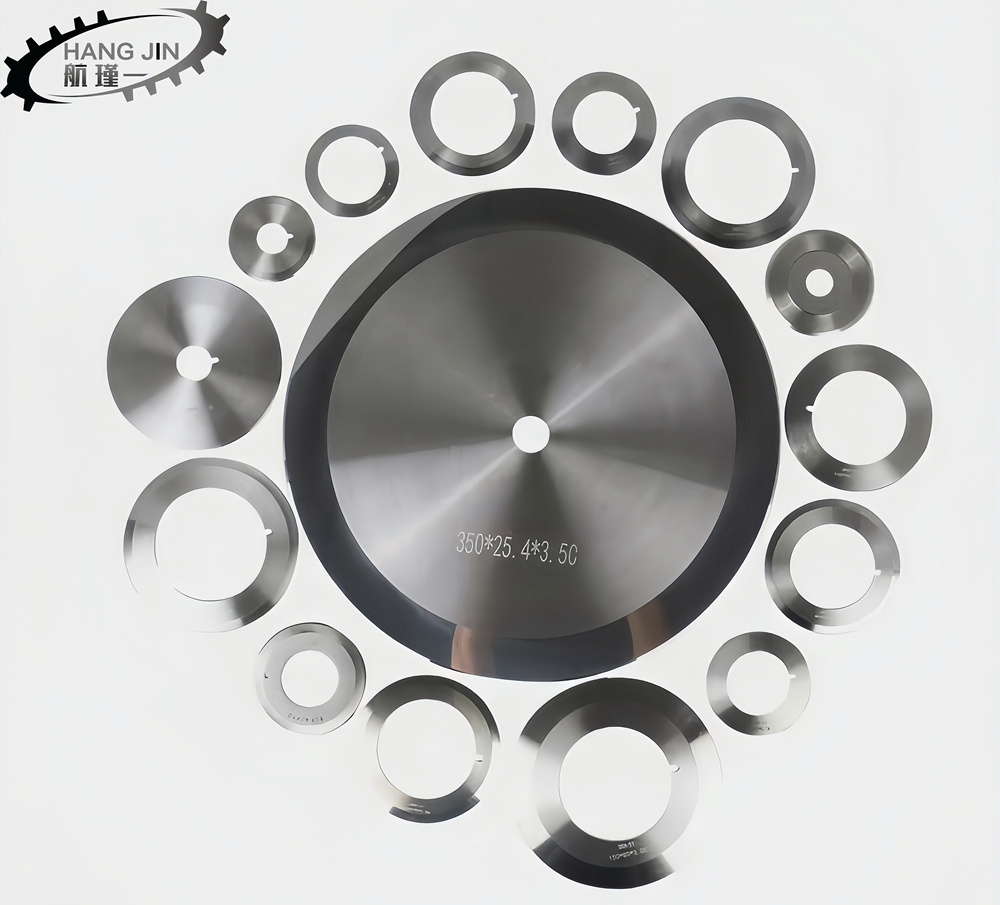
Specification Outer diameter Inner diameter Thickness Knife edge type Material
Disc type knife
75x45x1.2 Φ75 Φ45 1.2T Single/double side YG12/YG10X/SKH-51/SKD-11
90x60x1.2 Φ90 Φ60 1.2T Single/double side YG12/YG10X/SKH-51/SKD-11
105x70x1.2 Φ105 Φ70 1.2T Single/double side YG12/YG10X/SKH-51/SKD-11
105x75x1.2 Φ105 Φ75 1.2T Single/double side YG12/YG10X/SKH-51/SKD-11
110x75x1.2 Φ110 Φ75 1.2T Single/double side YG12/YG10X/SKH-51/SKD-11
Flat round knife
80x40x1.0 Φ80 Φ40 1.0T Single/double side YG12/YG10X/SKH-51/YG12/SKD-11
90x60x1.0 Φ90 Φ60 1.0T Single/double side YG12/YG10X/SKH-51/YG12/SKD-11
120x40x1.0 Φ120 Φ40 1.0T Single/double side YG12/YG10X/SKH-51/YG12/SKD-11
half cut-off slitting knife
70x50x1.0 Φ70 Φ50 1.0T double side YG12/SKH-51
80x50x1.0 Φ80 Φ50 1.0T double side YG12/SKH-51
100x60x1.0 Φ100 Φ60 1.0T double side SKH-51


Beyond the standard specifications detailed above, we provide comprehensive customization capabilities to accommodate specialized industrial applications. Depending on project requirements, our technical team can tailor blade dimensions, edge profiles, and material compositions to suit your specific production needs. Please refer to our custom manufacturing capabilities below.

Customizable Tungsten Carbide Disk Blades

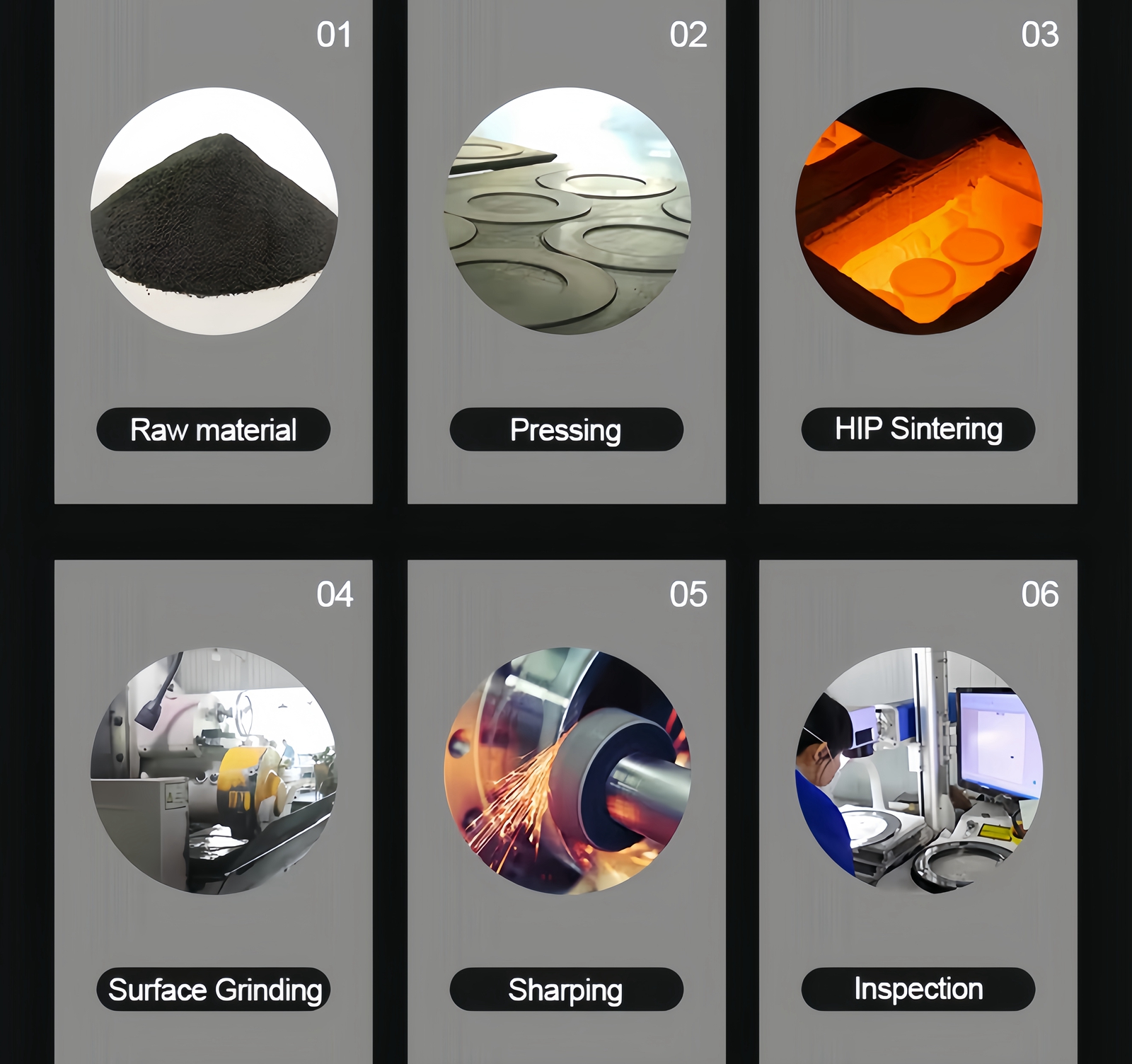
工艺流程

Process Flow in Continuous Slitting Lines

The efficiency of continuous slitting lines heavily relies on the performance of the cutting tools integrated into the system. In a typical metal processing workflow, the operation begins with the uncoiling of large metal rolls, followed by the critical slitting phase, and concludes with the recoiling of the narrowed strips. Tungsten carbide disk blades are strategically positioned at the heart of this process. During the slitting phase, these blades engage directly with the fast-moving metal strip. Their primary function is to deliver clean, precise cuts without inducing structural deformation or excessive burrs on the material edges. By maintaining dimensional stability under high-speed operation, these disk blades ensure that the subsequent recoiling process proceeds smoothly, preventing material jams and significantly reducing unexpected downtime in the production line. Understanding this process flow helps purchasing managers realize the importance of investing in reliable slitting tools to maintain overall plant productivity.

Material Suitability and Blade Selection

Selecting the right blade type and material based on the specific application is a fundamental requirement for optimizing cut quality and extending tool lifespan. For heavy-duty industrial applications, tungsten carbide-tipped or solid carbide blades are highly recommended. These blades are specifically engineered for cutting demanding metal materials, including stainless steel, cold-rolled steel, silicon steel, aluminum, and copper alloys. The exceptional hardness and wear resistance of tungsten carbide allow the blades to withstand the intense friction and heat generated during the continuous slitting of tough metals, ensuring a prolonged operational life and consistent edge sharpness.

Conversely, when the production line is tasked with processing softer substrates, different material choices may be more appropriate. For example, high-speed steel (HSS) blades work exceptionally well for softer materials like industrial paper, plastic films, or lightweight foils. While HSS offers reliable toughness for these applications, attempting to use it for heavy metal slitting would result in rapid dulling and increased material waste. Therefore, matching the blade material to the specific substrate being processed is essential. Proper selection not only guarantees a superior finish on the slit coils but also minimizes the frequency of blade replacements, thereby lowering long-term operational costs and reducing material scrap rates.

Comprehensive Application Scenarios

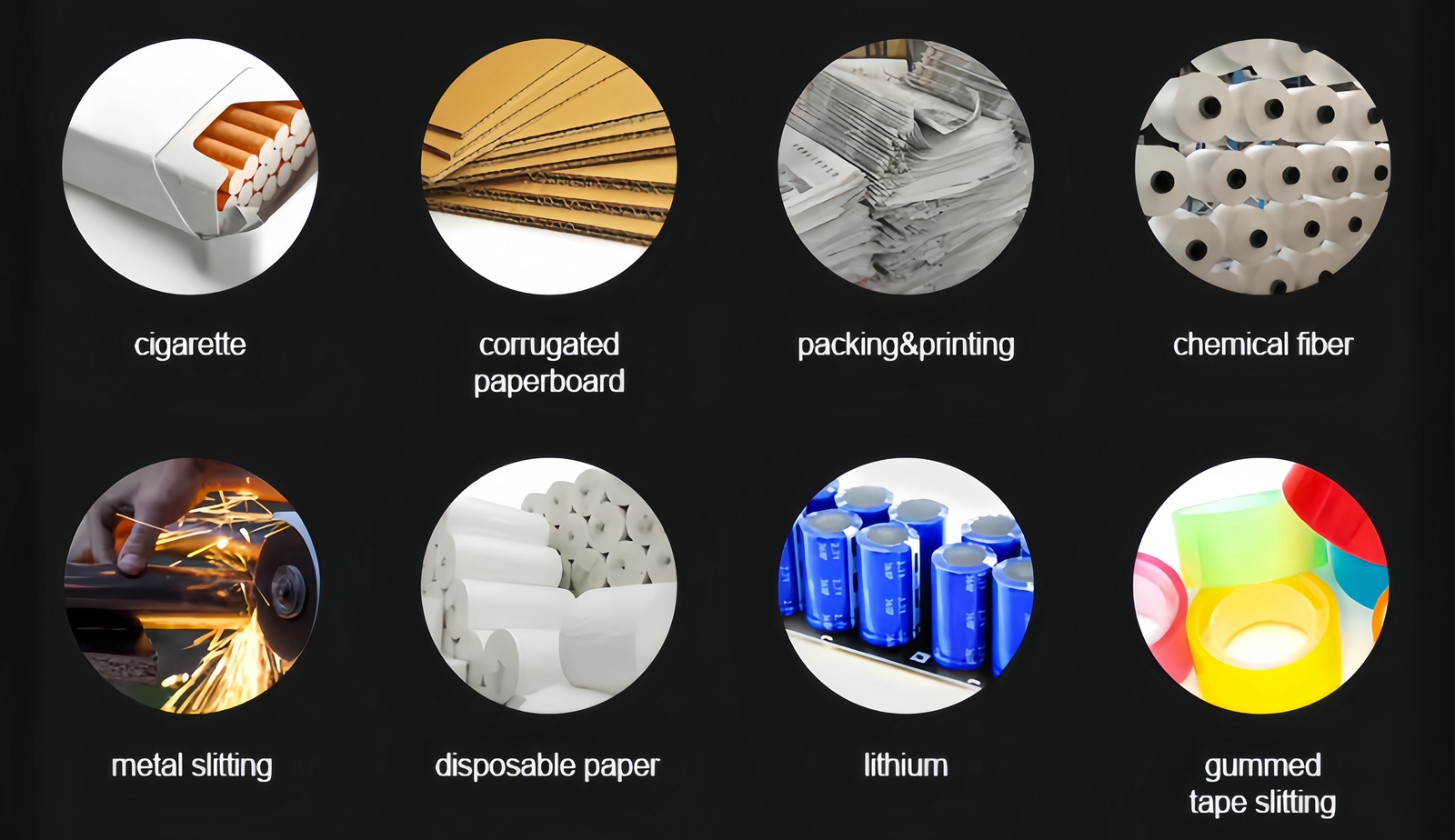
Tungsten carbide disk blades are versatile components utilized across a wide range of demanding industrial sectors. In the automotive manufacturing industry, these blades are essential for slitting high-strength steel coils used in chassis and body panel production, where edge precision directly impacts welding and assembly quality. In the electrical and electronics sector, they are frequently employed to slit silicon steel sheets for transformer cores and copper strips for electrical contacts. The burr-free edges produced by carbide blades are critical here, as any edge defects could compromise the electromagnetic performance of the final components.

Furthermore, large-scale metal service centers and coil processing facilities rely heavily on these heavy-duty disk blades to provide customized slitting services. These facilities often process diverse metal grades and thicknesses on a daily basis. The adaptability and endurance of tungsten carbide blades allow operators to switch between different metal coils with minimal adjustments, ensuring high throughput and meeting strict customer specifications. By integrating these high-performance blades into their continuous slitting lines, manufacturers can achieve consistent product quality, enhance processing efficiency, and maintain a strong competitive edge in the metalworking market.

产品综合应用

To ensure optimal performance, precision, and longevity of your tungsten carbide disk blades on continuous slitting lines, it is essential to follow standard operating procedures. Proper handling, precise installation, and routine maintenance directly impact the cutting quality and the lifespan of the tooling. Please follow this detailed usage guide for daily operations.

Phase 1: Pre-Installation Inspection and Preparation

Proper preparation prevents material damage and ensures the slitting machine operates safely.

  • Visual Inspection: Before installation, thoroughly inspect the disk blades for any signs of transit damage, micro-chipping, or dullness. Using damaged blades will compromise cut quality and can cause severe damage to the processed material.
  • Safe Handling: Tungsten carbide is highly wear-resistant but can be brittle under sudden impact. Handle the blades carefully and avoid dropping them on hard surfaces to prevent edge fracturing.
  • Shaft Cleaning: Ensure the machine shaft and mounting collars are completely clean and free of dust, grease, or leftover debris to guarantee a perfectly flat seating surface.

Phase 2: Mounting and Precision Alignment

Accurate mounting is critical to minimize lateral stress and prevent operational vibrations.

  • Alignment and Spacing: Mount the blades securely onto the machine shaft. Use high-precision spacers to maintain exact and consistent gaps between the blades, matching the required slitting width of your production run.
  • Vibration Prevention: Tighten the blade assembly firmly according to the machine manufacturer's torque specifications. Inadequate clamping can cause micro-vibrations during operation, which is a primary cause of premature blade chipping and uneven edge cuts.
  • Clearance Check: Before starting the machine, manually rotate the shaft to verify that there is no interference or abnormal friction between the upper and lower slitting components.

Phase 3: Machine Parameter Settings and Monitoring

Adjusting the slitting line parameters to match the material profile is necessary for clean cuts and extended blade life.

  • Speed and Tension Adjustment: Set the machine parameters, specifically running speed and web tension, based on the thickness, hardness, and tensile strength of the material being processed. Incorrect tension can lead to material wrinkling or tearing.
  • Avoid Overheating: Do not run the slitting machine at excessively high speeds beyond the recommended limits for the specific material. Excessive speed generates high friction and localized overheating, which accelerates blade wear and degrades the cutting edge.
  • Continuous Monitoring: During operation, actively monitor the cutting process. Look for smooth, consistent slit edges and listen for any abnormal noise. If you detect burrs on the material or hear unusual vibrations, stop the machine immediately to adjust settings or check blade alignment.

Phase 4: Post-Operation Maintenance and Storage

Routine post-use care prevents corrosion and prepares the blades for their next production cycle.

  • Thorough Cleaning: After use, clean the blades thoroughly to remove any metal dust, paper fibers, or adhesive residue. Accumulated debris can affect future setup accuracy and lead to localized surface damage.
  • Wear Inspection: Regularly inspect the cutting edges after removal. Look for signs of normal wear or dull edges. Schedule timely regrinding or replace the blades as needed to maintain consistent production efficiency.
  • Rust Prevention and Storage: Apply a light coat of rust-preventative oil to the steel components of the blade assembly if applicable. Store the blades in a dry, cool environment, ideally in their original protective packaging or on dedicated wooden racks, to prevent rust and maintain their sharpness until the next use.

By strictly adhering to these operational and maintenance guidelines, frontline operators can maximize the efficiency, precision, and service life of slitting machine disk blades, ensuring reliable performance across all continuous cutting applications.

Q: Are you a trading company or a manufacturer?

A: We are a direct factory specializing in tungsten carbide products. By manufacturing our tungsten carbide disk blades in-house, we maintain strict control over production schedules and provide direct factory value for your continuous slitting line procurement needs.


Q: Where is your factory located?

A: Our manufacturing facility is located in Nanjing. We welcome clients to verify our production capabilities and discuss their specific slitting blade requirements with our team.


Q: How long is your delivery time?

A: Lead times depend on your specific blade specifications. For the normal type which we already have the mold for, production takes two weeks after receiving the advance payment. For non-standard or customized blades which we do not have a mold for, it takes 4 to 6 weeks upon receiving the advance payment.


Q: Is your pricing competitive?

A: Yes. Under the UKO brand, we offer reliable tungsten carbide products with highly competitive pricing. By supplying directly from our factory, we help you optimize procurement costs while ensuring stable and durable performance for your continuous slitting operations.


Q: How do you control the quality of the products before shipping?

A: We follow a strict quality inspection protocol. Raw material will be tested before bulk production begins. Furthermore, we will carefully check the physical properties, shape, and dimensional tolerance of every batch for ensuring qualified products before shipping, reducing your selection and operational risks.


Previous: 
Next: 
Nanjing Hangjin Machinery Equipment Co., Ltd. is one professional manufacturer which provide various of blade and Knife, widely used at steel, agriculture, graziery, paper-making, package, forestry, lithium battery, cottonocracy, plastic, food etc.

QUICK LINK

PRODUCT CATEGORY

CONTACT US

Tel: +86-186-8927-7942
WhatsApp: +8618689277942
Skype: Kemp.yu
Add: No. 107 Changning Road, Tongjing Town, Jiangning District, Nanjing, Jiangsu, China
Copyright © 2025 Nanjing Hangjin Machinery Equipment Co., Ltd. All Rights Reserved. | Sitemap | Privacy Policy