
T: +86-186-8927-7942
E: kemp@hangjin-machinery.com
E: kemp@hangjin-machinery.com
No. 107 Changning Road, Tongjing Town, Jiangning District, Nanjing, Jiangsu, China
Views: 0 Author: Site Editor Publish Time: 2026-08-13 Origin: Site


Many operators assume a higher Rockwell Hardness (HRC) rating automatically means a better cutting tool. This assumption causes massive specification errors on the shop floor and in the field. When you misunderstand the inverse relationship between blade hardness vs toughness, you end up with catastrophic tool failure. High-impact environments will snap brittle, over-hardened steel instantly. Conversely, high-abrasion environments will eat soft, tough steel, forcing you into endless sharpening cycles that kill productivity.
You need a reliable framework to evaluate steel metallurgy, heat treatment, edge geometry, and user technique. This allows you to specify the exact balance required for your specific operational demands and maintenance capabilities. We will break down how to match steel properties to real-world applications so you stop wasting time on broken tools and mismatched equipment.
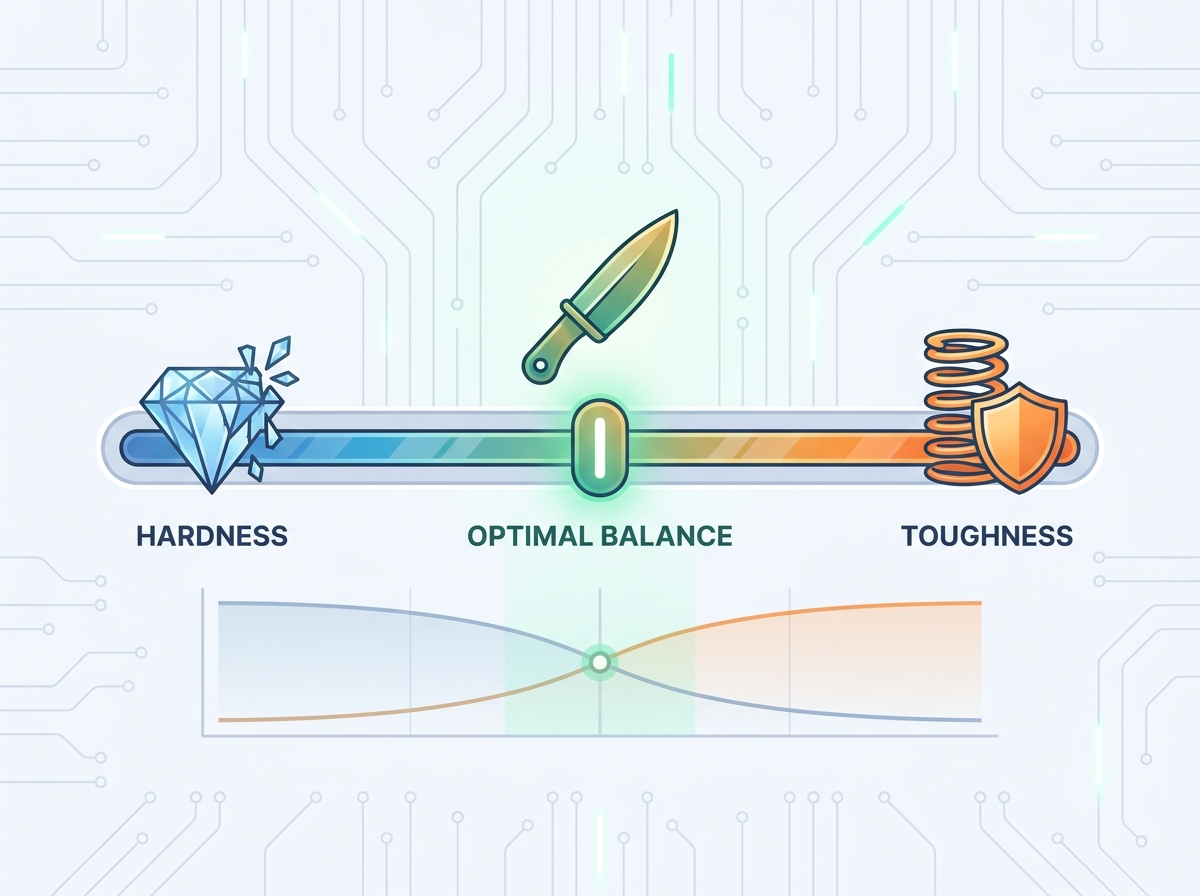
The Inevitable Trade-Off: Blade hardness dictates edge retention and wear resistance, while toughness dictates impact resistance and lateral durability; maximizing one inherently compromises the other.
Measurement Standards: Hardness is objectively measured using the Rockwell Hardness Scale (HRC), whereas toughness is measured via impact tests (like Charpy or Izod), making direct comparisons reliant on specific steel data sheets rather than a single universal metric.
Application Dictates Specification: High-HRC blades excel in precision, low-impact slicing, while high-toughness blades are mandatory for chopping, prying, or industrial shear applications.
Heat Treatment is the Great Equalizer: The specific heat treatment protocol applied by the manufacturer is often more critical to the final performance balance than the raw steel alloy itself.
Table of Contents
Hardness represents a steel alloy's ability to resist plastic deformation, indentation, and abrasive wear under localized pressure. In the context of cutting tools, hardness is the primary attribute that dictates edge retention. This is the ability of the steel to maintain a sharp, refined apex over prolonged use without dulling. A harder steel matrix prevents abrasive materials from wearing away the microscopic apex of the edge.
The industry standard for measuring this property is the Rockwell Hardness Scale, specifically the C scale (HRC), designed for hardened steels. The testing process involves pressing a 120-degree diamond-tipped cone indenter into the surface of the steel under a heavy 150-kilogram load. The depth of the resulting indentation is measured to calculate the HRC value. A shallower indentation results in a higher HRC number, indicating a harder material. While high hardness guarantees excellent wear resistance against materials like cardboard, fiberglass, or rope, it fundamentally alters the structural integrity of the steel matrix.
When you push hardness past 60 HRC, the steel becomes highly resistant to abrasion but loses its ability to flex. Think of it like glass. Glass is incredibly hard and resists scratching, but if you drop it or hit it with a hammer, it shatters. Steel behaves similarly at extreme hardness levels.
Toughness is the metallurgical counterweight to hardness. It defines the steel's ability to absorb energy, sudden impacts, and lateral stress without fracturing, chipping, or snapping entirely. When a cutting tool encounters a hard inclusion, such as a hidden staple, a knot in dense wood, or a metal rack, toughness dictates how the steel responds to that sudden kinetic shock.
You must differentiate between impact toughness and yield strength. Yield strength refers to the amount of stress required to permanently bend or deform the steel. Increasing hardness naturally increases yield strength, meaning a hard blade resists bending. However, increasing hardness drastically reduces impact toughness.
The failure mechanisms of tough steels differ entirely from hard steels. When pushed beyond its limits, a tough, lower-hardness steel will experience edge rolling or denting. The metal physically moves but stays intact. You can often realign this type of damage quickly with a honing rod. In contrast, a hard steel lacking toughness will fail by micro-chipping or suffering deep fractures. Fixing a chipped edge requires aggressive regrinding on coarse stones to establish an entirely new apex.
The inverse relationship between these two properties is rooted in the physical realities of steel grain structure and carbide formation. Steel is primarily an alloy of iron and carbon. During the hardening process, carbon atoms are trapped within the iron lattice, creating a highly stressed, rigid crystalline structure known as martensite. To achieve higher hardness, metallurgists increase the carbon content and introduce alloying elements like vanadium, tungsten, or molybdenum to form extremely hard carbides.
These carbides act like microscopic cobblestones embedded in the steel matrix. They resist wear exceptionally well. However, they also create stress risers within the steel. As carbon content, carbide volume, and overall hardness increase, the crystalline structure becomes inherently more brittle.
The baseline rule of metallurgy remains absolute: you cannot achieve maximum hardness and maximum toughness simultaneously. Every steel selection represents a specific point on a sliding scale. You are always prioritizing one attribute based on your specific cutting tasks.
Common Carbide Types and Their Effects
Carbide Type | Hardness (Vickers) | Primary Function in Steel | Impact on Toughness |
|---|---|---|---|
Iron Carbide (Cementite) | ~1000 HV | Baseline hardness in simple carbon steels. | Moderate reduction in toughness. |
Chromium Carbide | ~1500 HV | Provides corrosion resistance and moderate wear resistance. | Significant reduction if carbides grow too large. |
Vanadium Carbide | ~2800 HV | Extreme wear resistance and fine grain refinement. | Severe reduction in toughness at high volumes. |
Tungsten Carbide | ~2500 HV | High-temperature stability and abrasion resistance. | High brittleness, requires careful heat treatment. |
Steel Property Comparison Matrix
HRC Range | Primary Attribute | Failure Mechanism | Ideal Applications |
|---|---|---|---|
60-65+ HRC | Maximum Edge Retention | Micro-chipping, fracturing, snapping | Surgical tools, culinary slicers, cleanroom cutting, specialized machining |
56-59 HRC | Balanced Utility | Minor rolling, moderate abrasive wear | Everyday carry tools, general utility, tactical applications, kitchen prep |
50-55 HRC | Maximum Impact Resistance | Edge rolling, denting, blunting | Axes, machetes, industrial shears, forestry equipment, demolition tools |
Steels hardened to 60 HRC and above are engineered for specific, controlled environments where abrasive wear is the primary obstacle. The success criteria for these tools include extended edge retention, the ability to support extremely acute edge angles, and precision cutting capabilities. High-end culinary knives, precision surgical instruments, and specialized tools designed for slicing soft but highly abrasive materials thrive in this hardness range.
I have seen operators try to use 62 HRC blades to pry open wooden crates. The results are always the same: a snapped tip or a massive chip in the belly of the blade. High-hardness steels are highly susceptible to failure if subjected to lateral torque, twisting motions, or accidental impact with hard materials. Dropping a 63 HRC blade on a concrete floor will likely result in a fractured edge. Repairing this damage requires significant time on coarse diamond abrasives.
At the opposite end of the spectrum, steels tempered down to the 50-55 HRC range prioritize structural survival above all else. The success criteria here focus on maximum durability, impact absorption, and absolute resistance to catastrophic failure. These are the metallurgical requirements for tools that endure extreme kinetic shock and lateral stress.
Ideal applications include machetes, felling axes, survival tools, industrial shear blades, and heavy forestry equipment. In these scenarios, the tool must absorb the shock of striking dense wood or foreign objects without shattering. The primary implementation risk is rapid edge degradation. These tools will not hold a shaving-sharp edge for long and require frequent field sharpening. Because the steel is softer, restoring the edge is a rapid process accomplished with basic files or coarse stones.
For the vast majority of general-purpose cutting tasks, the 56-59 HRC range offers the most practical compromise. The success criteria for this middle ground involve achieving acceptable edge retention combined with sufficient durability to withstand accidental impacts or moderate lateral stress without sustaining severe damage.
This hardness range is the standard for pocket tools, Western-style kitchen knives, and general utility blades. These tools perform a wide variety of unpredictable tasks, from slicing apples to breaking down heavy shipping boxes. The implementation risk of this balanced approach is the inherent jack-of-all-trades limitation. A 58 HRC utility blade will never hold an edge as long as a specialized 62 HRC slicer, nor will it survive the extreme chopping impacts that a 52 HRC axe can brush off.
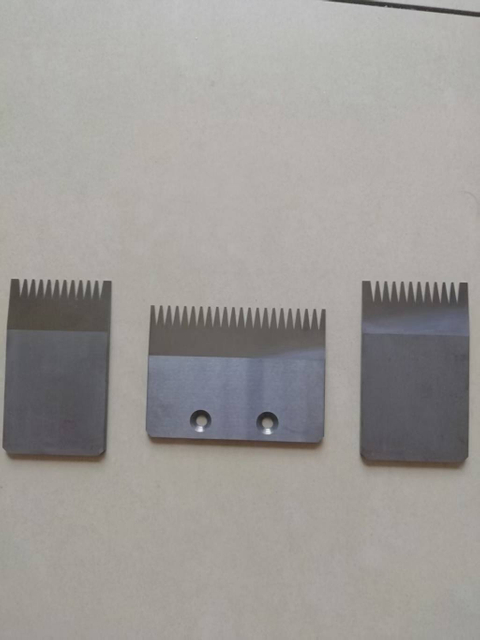
The first step in specifying the correct metallurgical balance is a rigorous evaluation of the materials being processed. You must analyze the abrasiveness, density, and consistency of the target medium. Cutting highly abrasive but soft materials, such as hemp rope, fiberglass, or dirty cardboard, rapidly degrades an edge through microscopic wear. This environment demands high hardness and high carbide volume to maintain cutting efficiency.
Conversely, cutting dense, inconsistent, or hard materials requires toughness. Processing hardwoods, cutting near staples, or operating in environments where the blade might strike metal racks demands a steel that will roll rather than chip. Furthermore, assess the working environment itself. A controlled environment allows for the safe use of brittle, high-hardness tools. Uncontrolled environments, such as field work, construction sites, or heavy industrial processing lines, introduce unpredictable variables that make high toughness mandatory.
The physical mechanics of how the operator uses the tool directly dictate the required steel properties. Precision push-cutting heavily favors high hardness. In a push cut, the blade is pushed straight through the material with zero lateral movement. The edge is subjected only to vertical pressure and abrasion, allowing thin, hard geometries to excel.
If the cutting style involves rock-chopping, twisting, lateral prying, or aggressive scraping, toughness becomes the critical factor. Any lateral torque applied to a thin, hard edge will cause the brittle martensite structure to fracture. This is particularly relevant when tools are handled by inexperienced users or integrated into automated machinery where lateral forces cannot be perfectly controlled. Specifying a tougher steel prevents micro-chipping and extends the functional lifespan of the tool.
The availability and capability of your maintenance infrastructure must align with your steel selection. High-hardness steels, particularly those heavily alloyed with vanadium or tungsten, boast incredible edge retention but are notoriously difficult to service. Restoring a chipped edge on these advanced alloys requires specialized diamond or ceramic abrasives, motorized grinding equipment, and significant downtime. If your maintenance team relies on basic aluminum oxide stones or standard honing rods, high-carbide steels will simply glaze over the abrasives without sharpening the edge.
High-toughness steels offer a distinct maintenance advantage. Because they fail by rolling rather than chipping, the edge can often be realigned in seconds using a standard steel honing rod. When actual material removal is required, these steels can be quickly restored in the field or on the factory floor with basic whetstones or files. Aligning the steel choice with the available sharpening equipment ensures tools remain operational without requiring specialized outside servicing.
Steel properties do not exist in a vacuum. They interact directly with the physical geometry of the blade. The grind, thickness behind the edge, and the final sharpening angle alter the real-world perception of hardness and toughness. You can manipulate geometry to compensate for metallurgical shortcomings.
Thick Spine and Obtuse Angle: A thick spine combined with a convex grind and an obtuse edge angle (e.g., 25 degrees per side) puts a massive amount of steel directly behind the cutting apex. This robust geometry compensates for lower toughness in a harder steel, providing structural support that prevents chipping.
Thin Spine and Acute Angle: A thin, full-flat grind with an acute edge angle (e.g., 12 degrees per side) offers zero structural support to the apex. This laser-thin geometry requires exceptionally high hardness to prevent the edge from immediately rolling over or collapsing under pressure.
Scandi Grinds: A single wide bevel that goes to zero. This provides excellent wood-carving geometry but requires a careful balance of toughness to prevent the fine apex from taking damage during lateral twists.
When specifying a tool, you must ensure that the edge geometry is appropriate for the steel's hardness level and the intended task. Putting a 15-degree edge on a 52 HRC axe will result in immediate edge rolling. Putting a 25-degree edge on a 63 HRC slicer will make it feel dull and wedge-like.
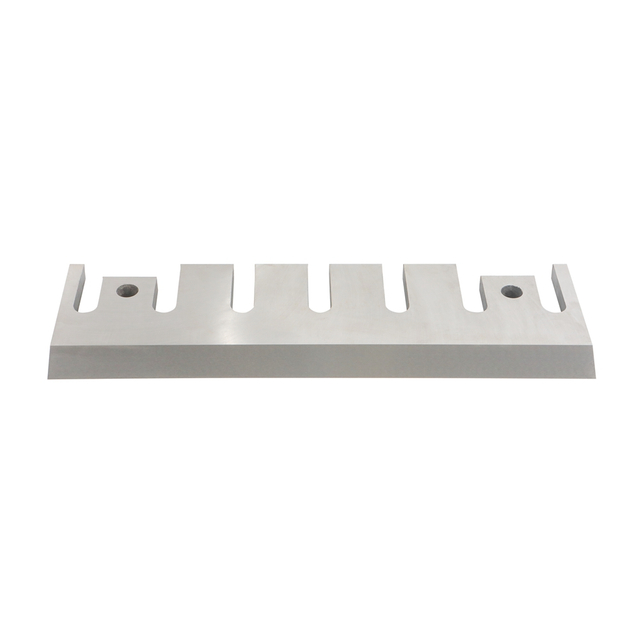
The most prevalent specification mistake is falling into the hardness trap. Driven by marketing campaigns that emphasize extreme HRC numbers, buyers frequently demand the hardest possible steel. They falsely equate hardness with overall quality and durability. This fundamental misunderstanding leads to over-specifying HRC for applications that require impact resistance.
The real-world consequences of over-specifying hardness are severe. In heavy-duty applications, brittle blades suffer catastrophic failure, snapping under lateral loads. This increases replacement frequency and creates significant safety hazards from flying steel chips. Selecting a tool based solely on a high HRC number without accounting for the required toughness guarantees poor performance in unpredictable environments.
Focusing exclusively on the chemical composition of the steel alloy while ignoring the heat treatment protocol is a critical error. The heat treatment dictates the final microstructure of the steel. It is the great equalizer in metallurgy. The process involves several distinct phases that must be executed perfectly.
Austenitizing: Heating the steel to a critical temperature to dissolve carbides and allow carbon to enter the iron matrix.
Quenching: Rapidly cooling the steel to lock the carbon in place, forming hard martensite.
Cryogenic Treatment: Freezing the steel in liquid nitrogen to convert retained austenite into martensite, maximizing hardness and stability.
Tempering: Reheating the steel to a lower temperature to relieve internal stresses, trading a small amount of hardness for a massive increase in toughness.
A theoretically inferior, simpler steel alloy that undergoes an optimal, highly controlled heat treatment will consistently outperform a premium alloy subjected to a rushed, mass-production heat cycle. Poor heat treatment leaves excessive retained austenite, resulting in a soft, gummy edge. It can also fail to refine the grain structure, resulting in extreme brittleness. Evaluate the manufacturer's reputation for heat treatment consistency and quality control, rather than making purchasing decisions based solely on the alloy name stamped on the blade.
The selection process is further complicated by the third major variable in blade metallurgy: corrosion resistance. The choice between stainless steel and high-carbon steel forces additional compromises. To classify a steel as stainless, metallurgists must add significant amounts of chromium, typically above 11 percent.
During the heat treatment process, this chromium bonds with carbon to form large chromium carbides. While these carbides improve wear resistance and prevent oxidation, they are massive and blocky compared to the fine grain structure of pure carbon steels. These large carbides create significant stress risers within the steel matrix, inherently reducing the maximum potential toughness of the alloy. Demanding high corrosion resistance often forces a compromise, requiring the user to sacrifice either maximum hardness or maximum toughness to accommodate the chromium content.
Audit your current tool failure modes immediately. If edges are chipping, reduce HRC or widen the edge angle; if they are rolling, increase HRC.
Match your sharpening infrastructure to your steel choice. Do not specify high-vanadium steels if your team only has access to basic aluminum oxide stones.
Request detailed heat treatment protocols from your manufacturers, specifically asking about cryogenic cycles and tempering temperatures, rather than just accepting the raw alloy name.
Standardize your tool selection based on the cutting environment. Assign 50-55 HRC tools for impact tasks and 60+ HRC tools strictly for controlled, abrasive slicing.
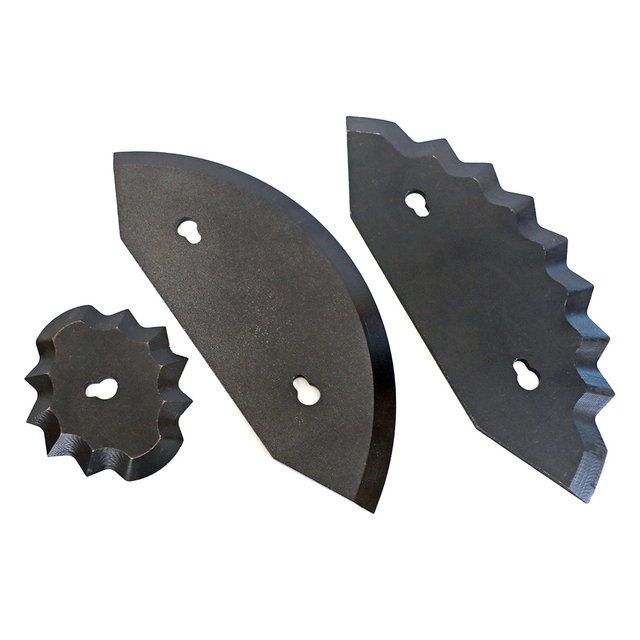
When sourcing reliable industrial blades, partnering with an experienced manufacturer is critical. Hangjin combines decades of metallurgical expertise with state-of-the-art heat treatment technology to engineer cutting solutions perfectly balanced for your toughest industrial applications.
A: There is no single universal HRC. A heavy-duty chopping tool performs best around 52-55 HRC to absorb impacts without chipping. A general-purpose utility blade is optimal between 57-59 HRC for a balance of edge retention and durability. A precision slicer excels at 60-63 HRC for maximum wear resistance.
A: Yes, a higher HRC rating indicates greater resistance to abrasive wear, translating to better edge retention during slicing tasks. However, if the steel is too hard for the specific task, the edge will degrade rapidly through micro-chipping rather than abrasive dulling, ruining the edge retention.
A: Yield strength is the amount of force required to permanently bend or deform the steel. Impact toughness is the steel's ability to absorb sudden kinetic energy or shock without fracturing. Increasing hardness increases yield strength but drastically lowers impact toughness.
A: Precision push-cutting with straight vertical motions allows for high-hardness, brittle steels because lateral stress is minimized. Cutting styles involving twisting, prying, scraping, or aggressive rock-chopping introduce lateral torque, requiring tougher steels to prevent the edge from chipping under side-loads.
A: No. The physical properties of steel dictate an inverse relationship between hardness and toughness. While modern powder metallurgy and advanced heat treatments have improved the overall baseline of both attributes, maximizing one property always requires a compromise in the other.
A: Heat treatment dictates the final microscopic grain structure of the steel. Proper austenitizing, quenching, and tempering cycles determine the exact balance of martensite and structural integrity. A superior heat treatment extracts maximum toughness from a hard alloy, making it more critical than the raw steel composition.


